
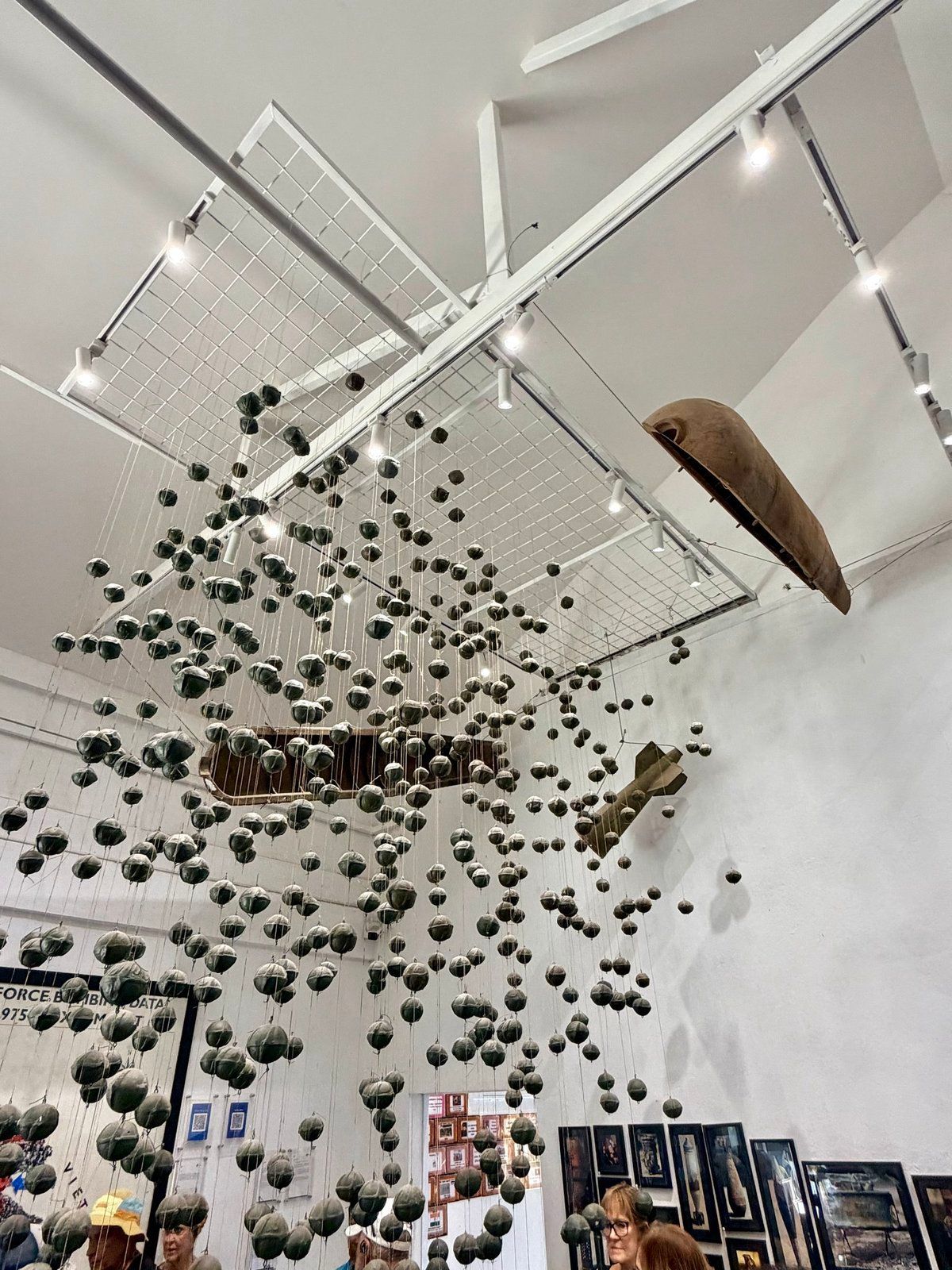
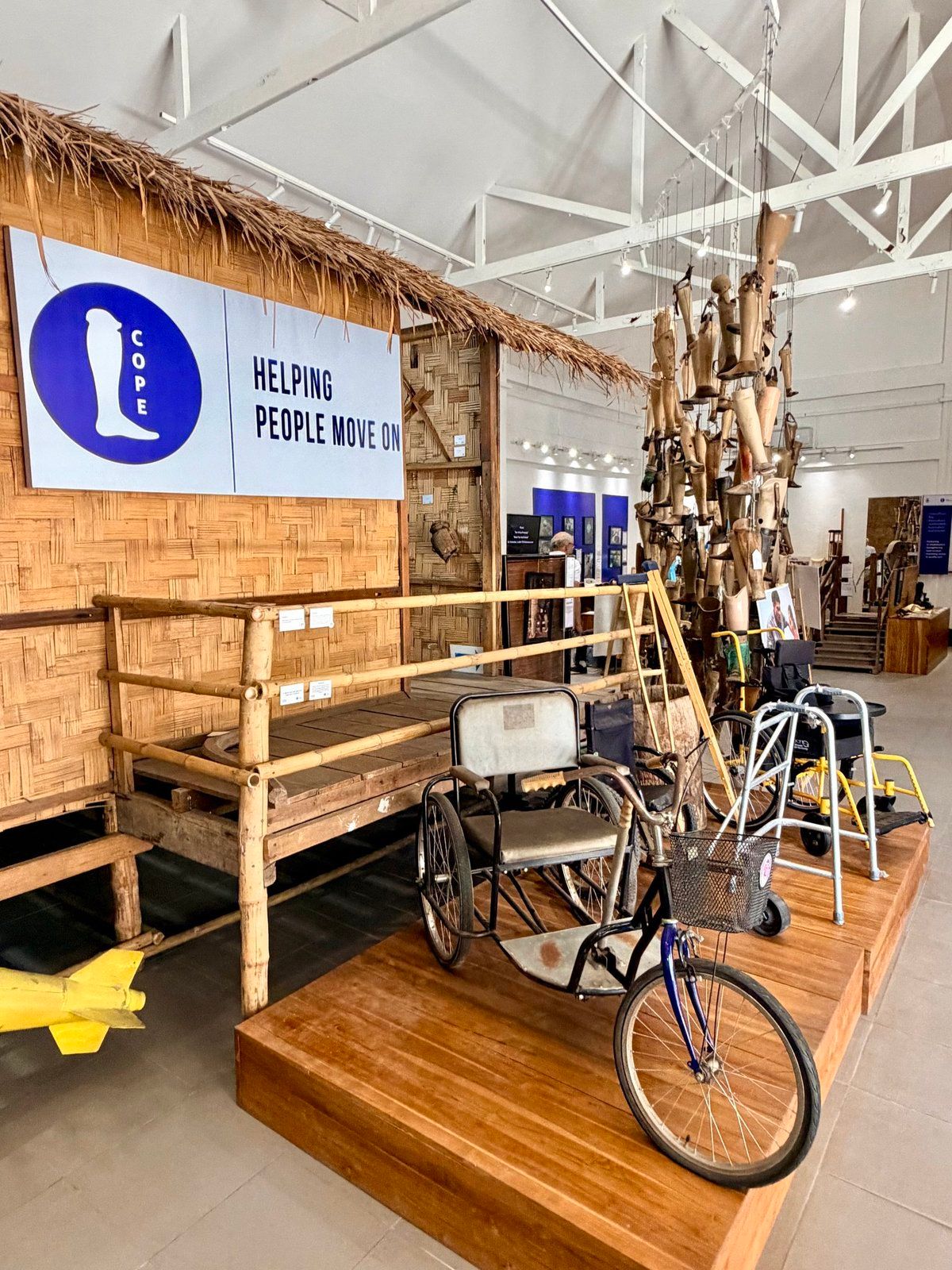
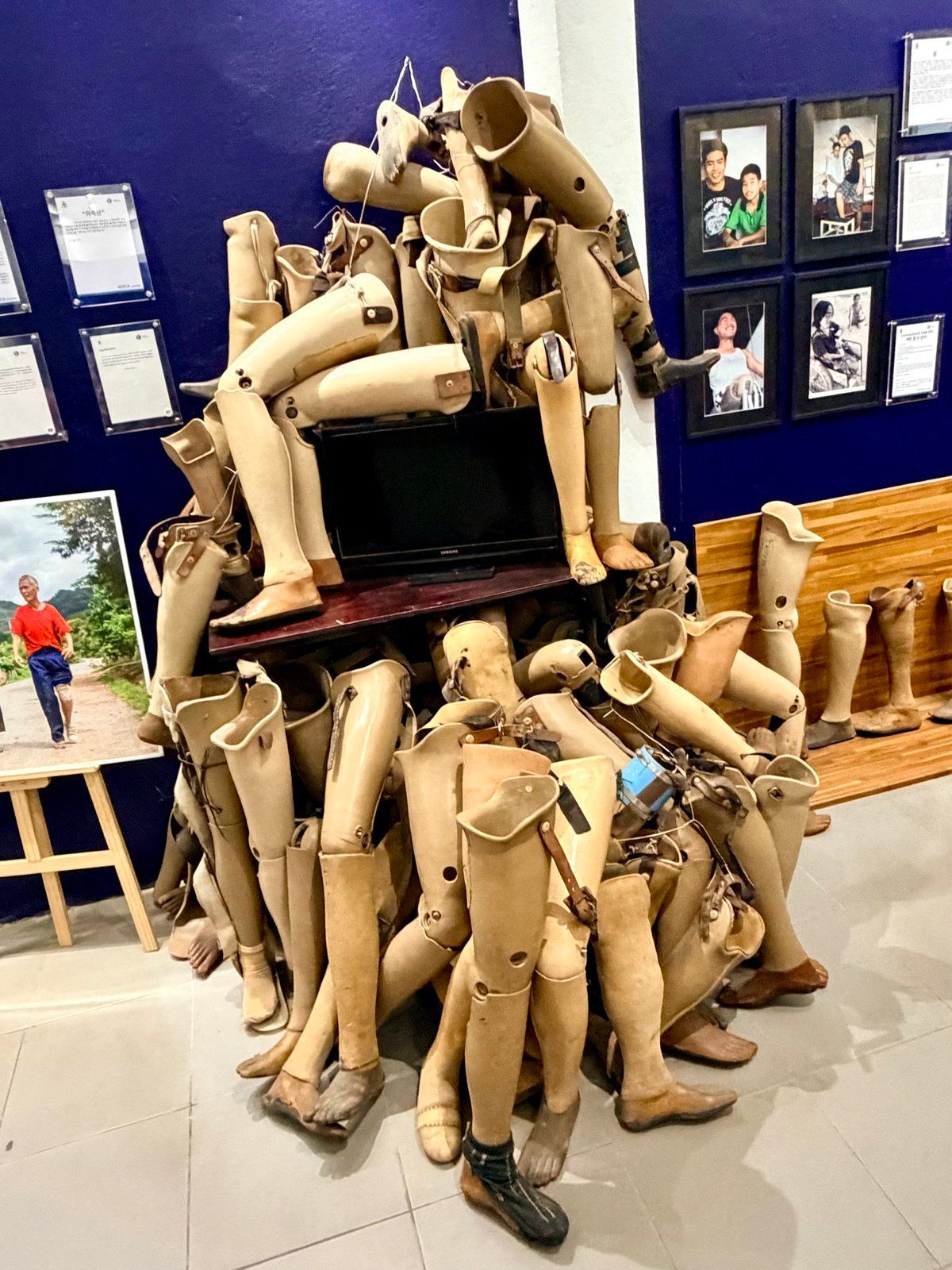
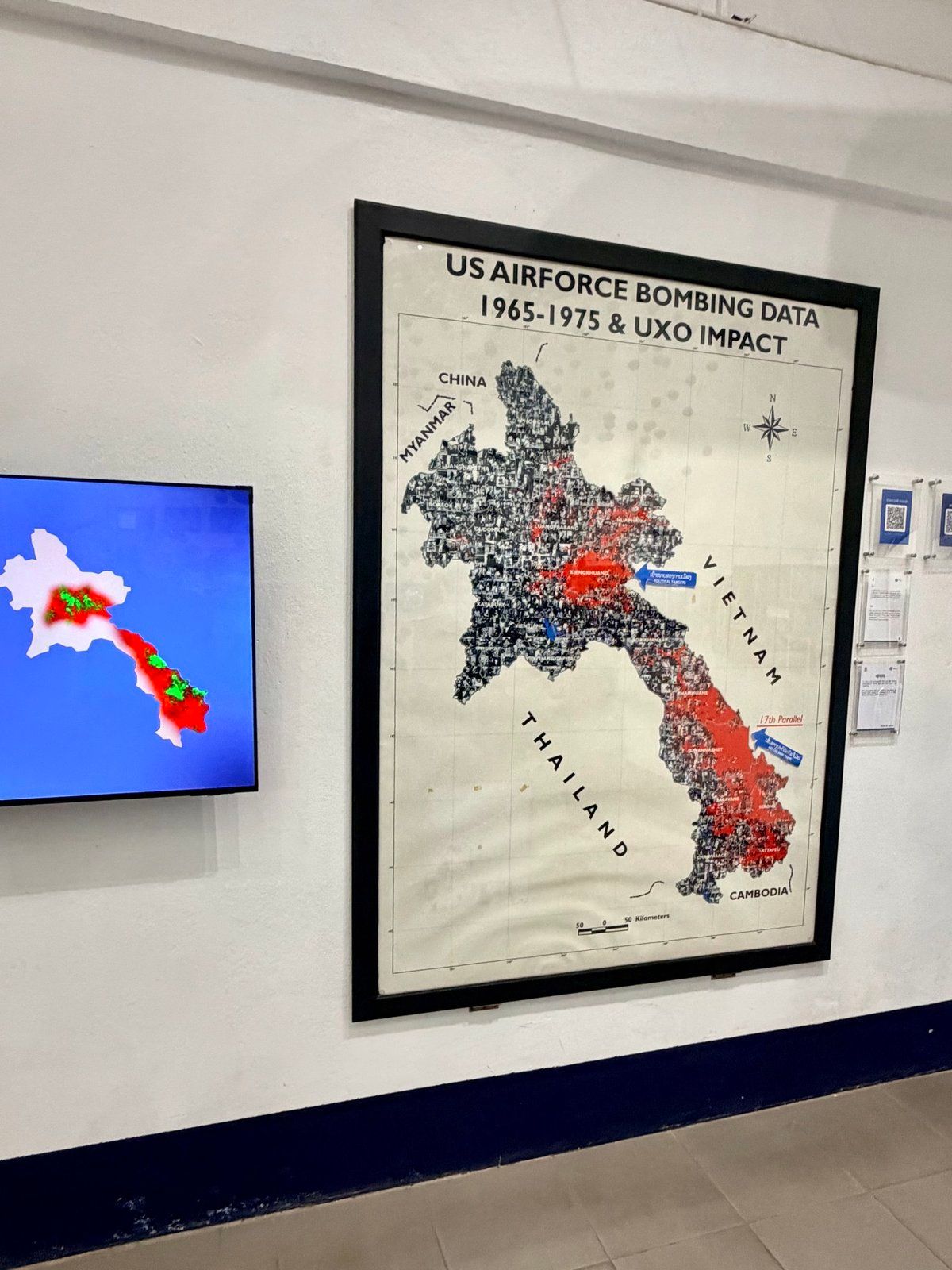
Laos is the only landlocked country in Southeast Asia, a long, mountainous country with the Mekong River running down its western edge. It is also, by most counts, the most heavily bombed country per person in history: during the Vietnam War era, from 1964 to 1973, the United States dropped more than two million tons of ordnance on it, and unexploded bombs still kill and injure people today.
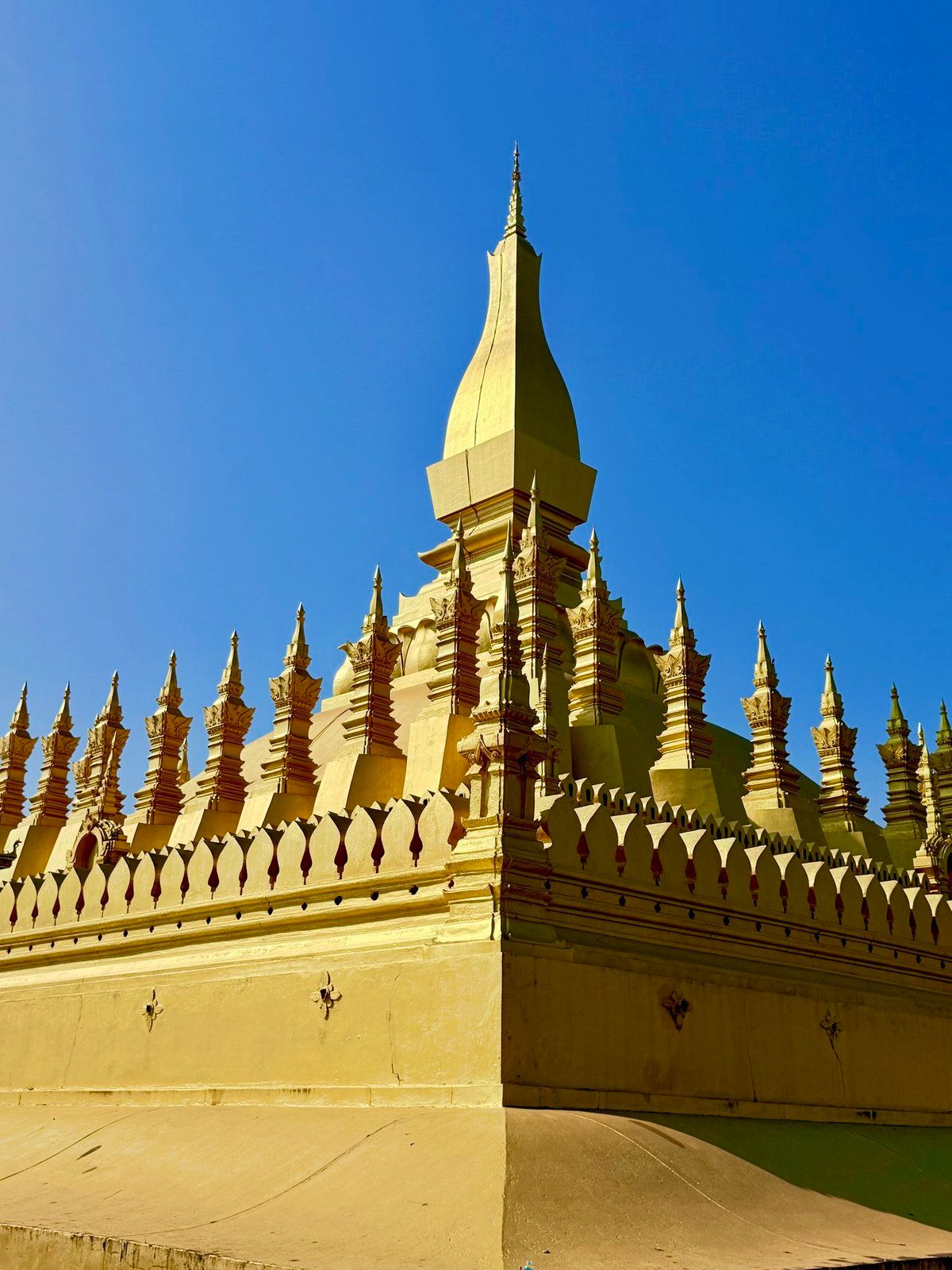
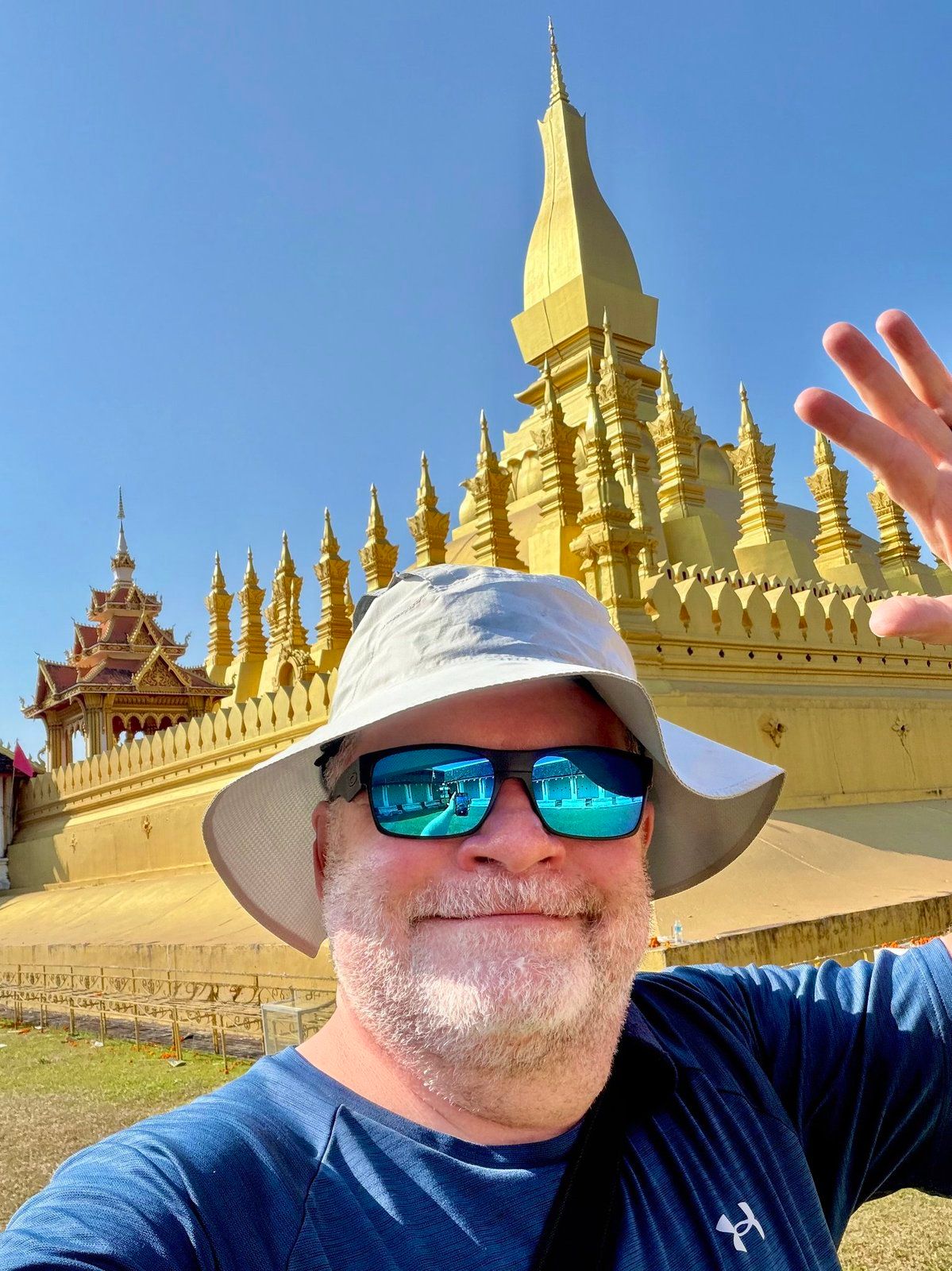
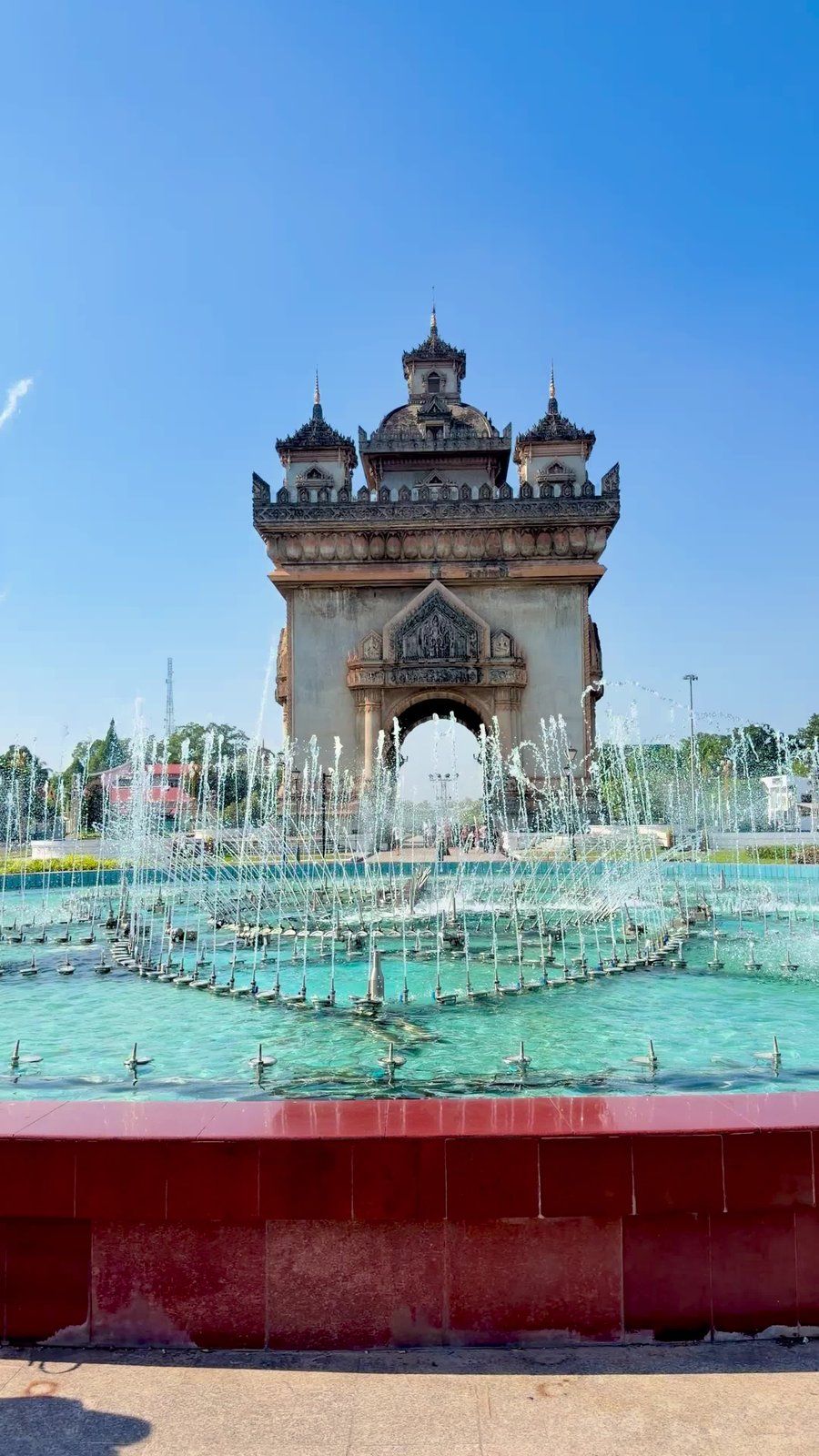
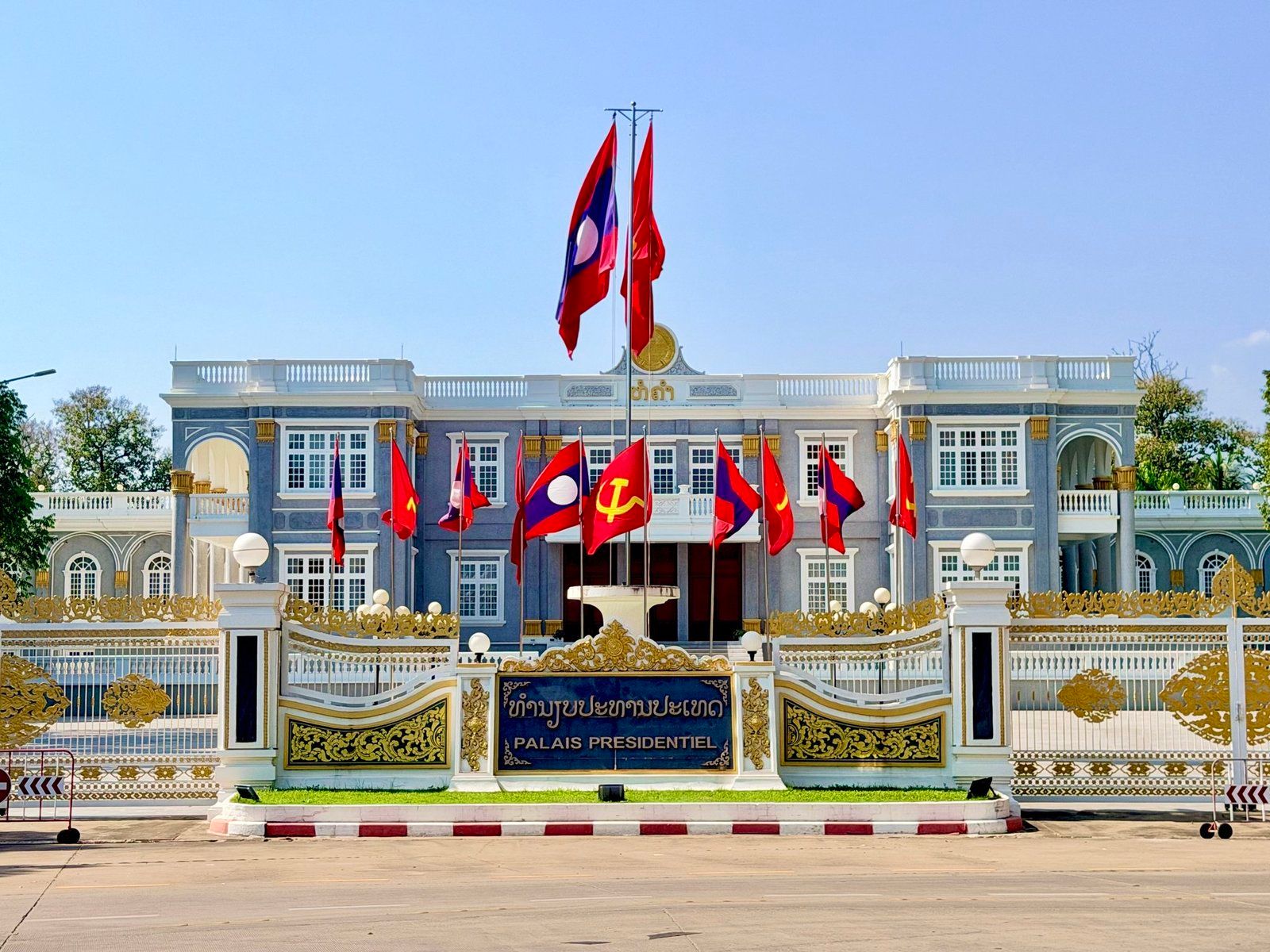
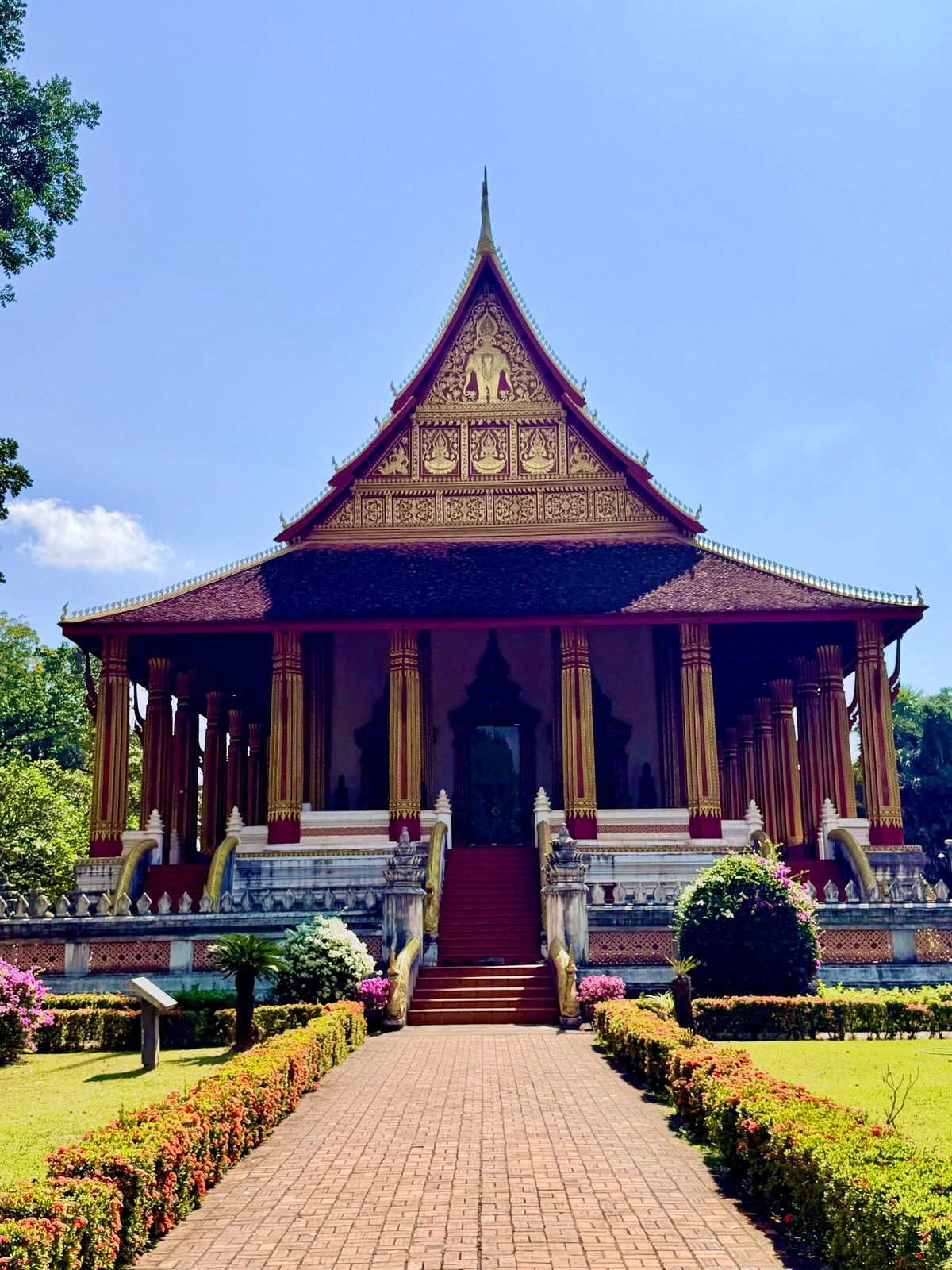
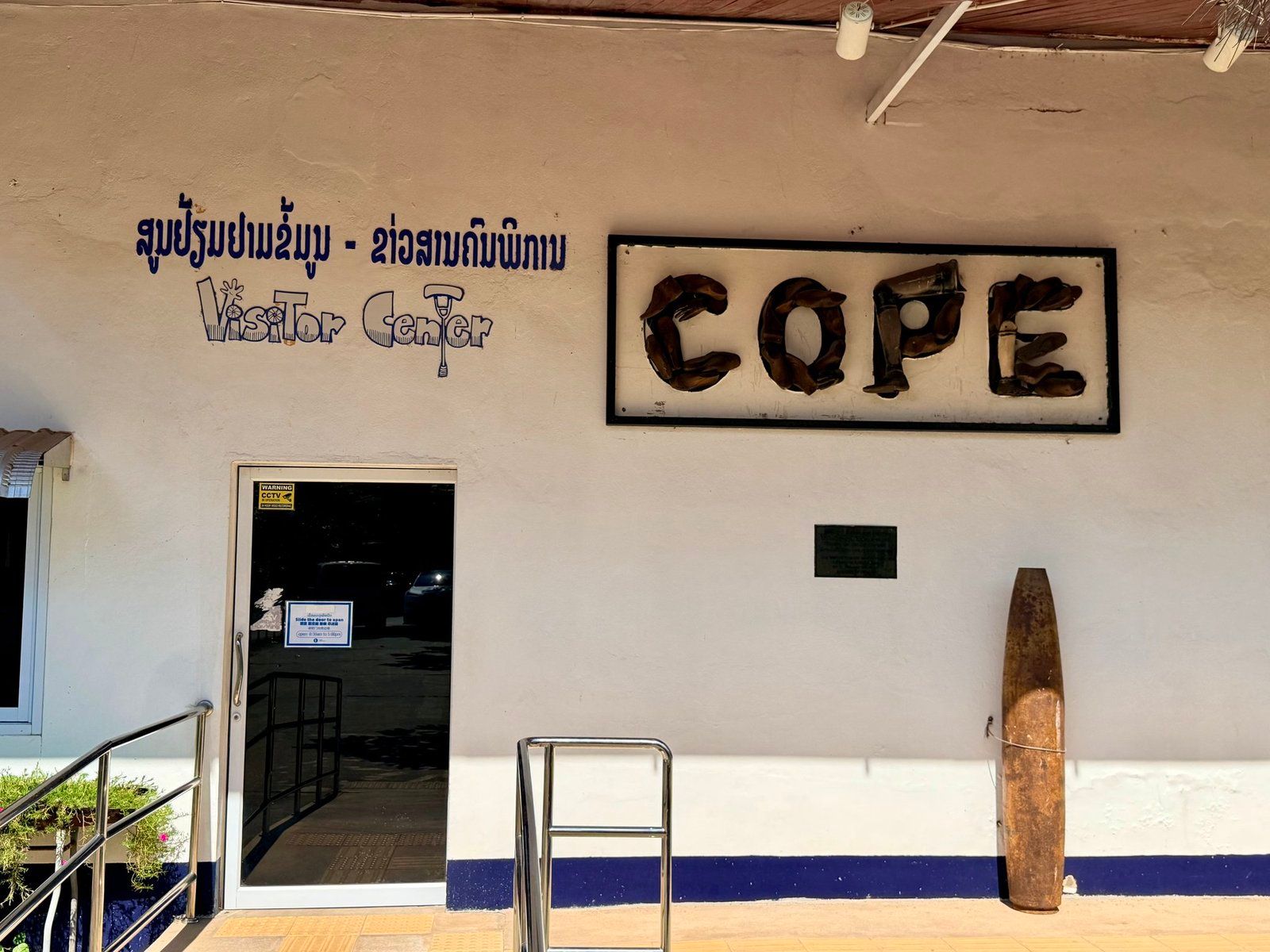
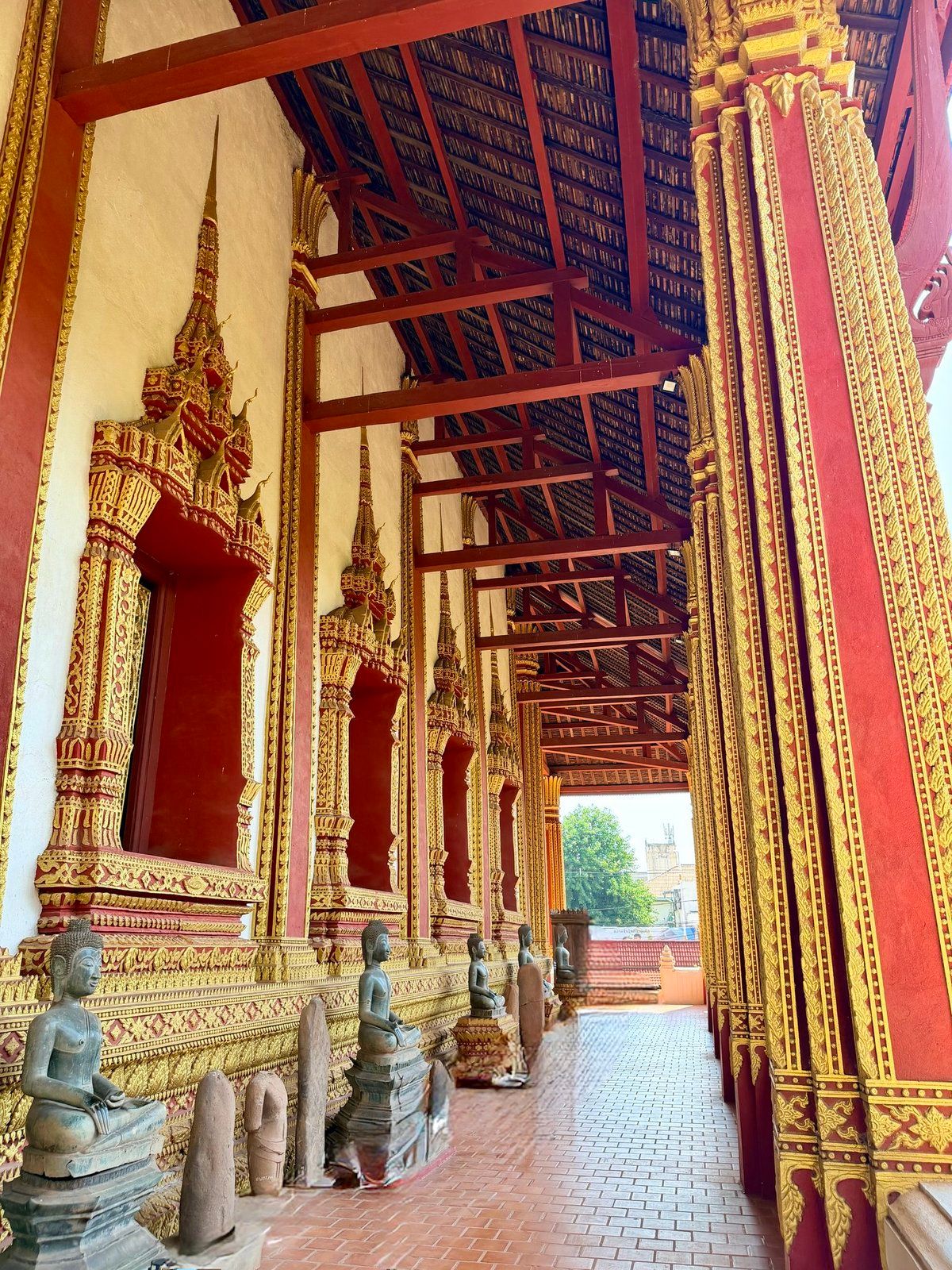
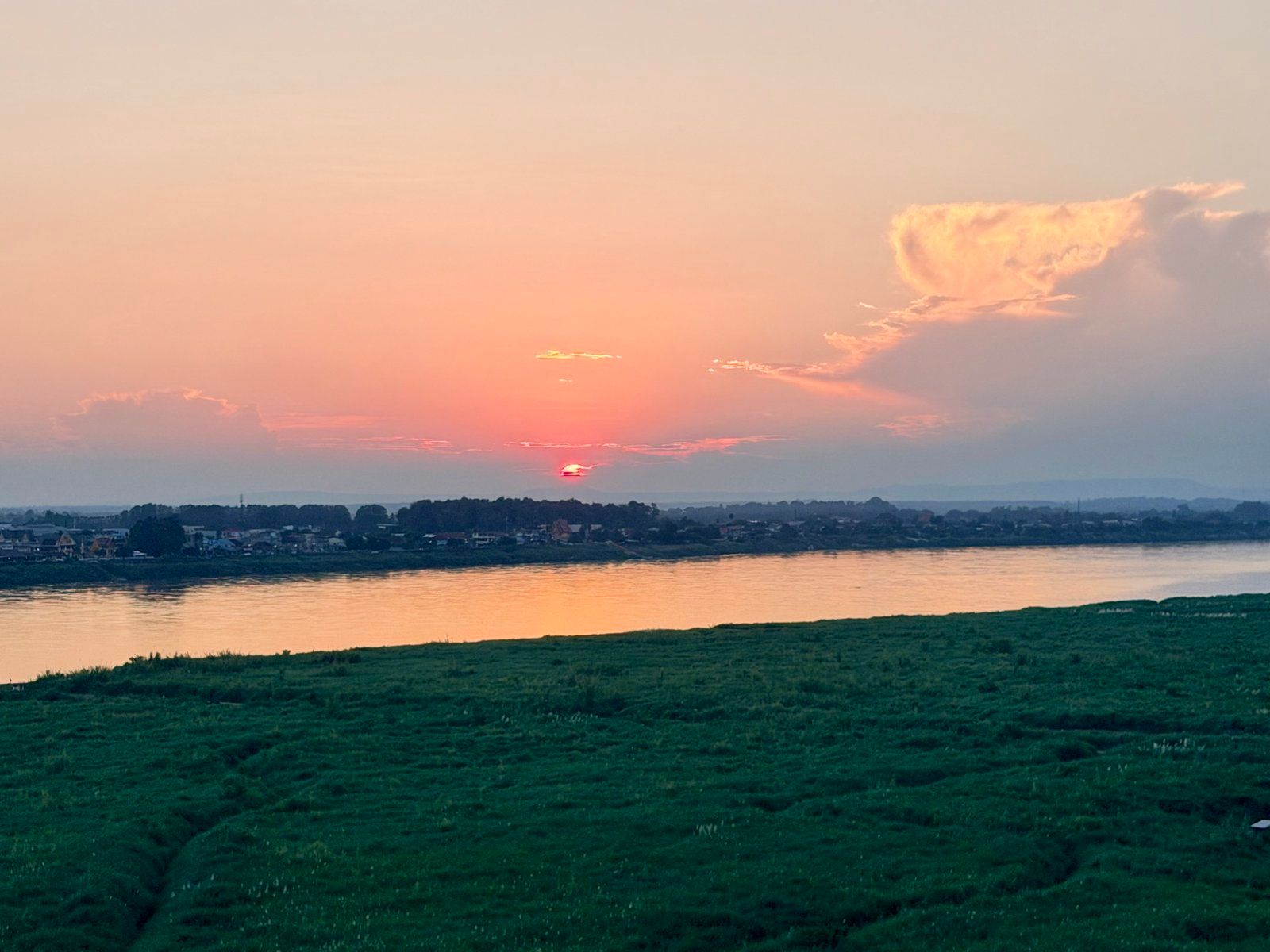
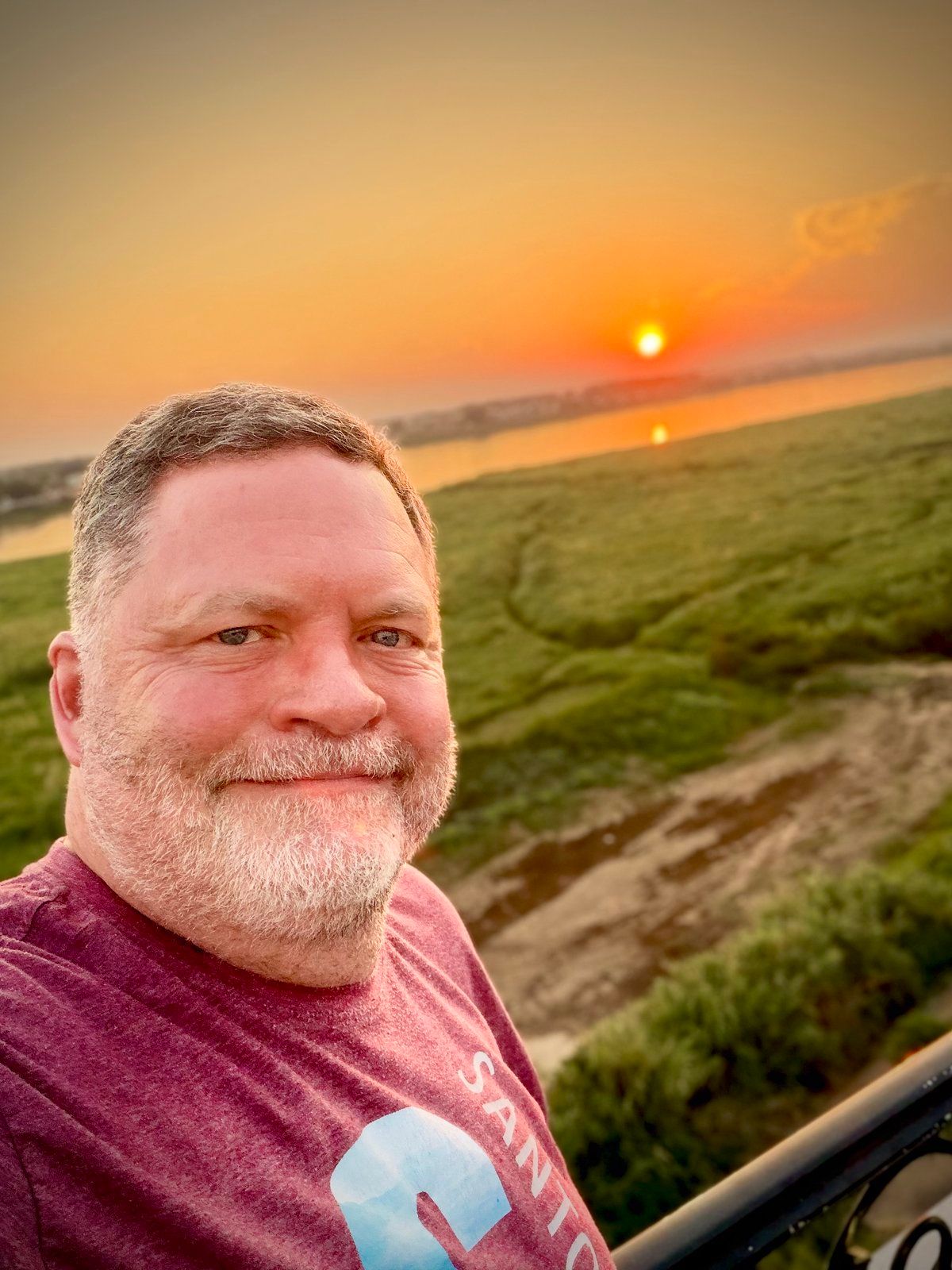
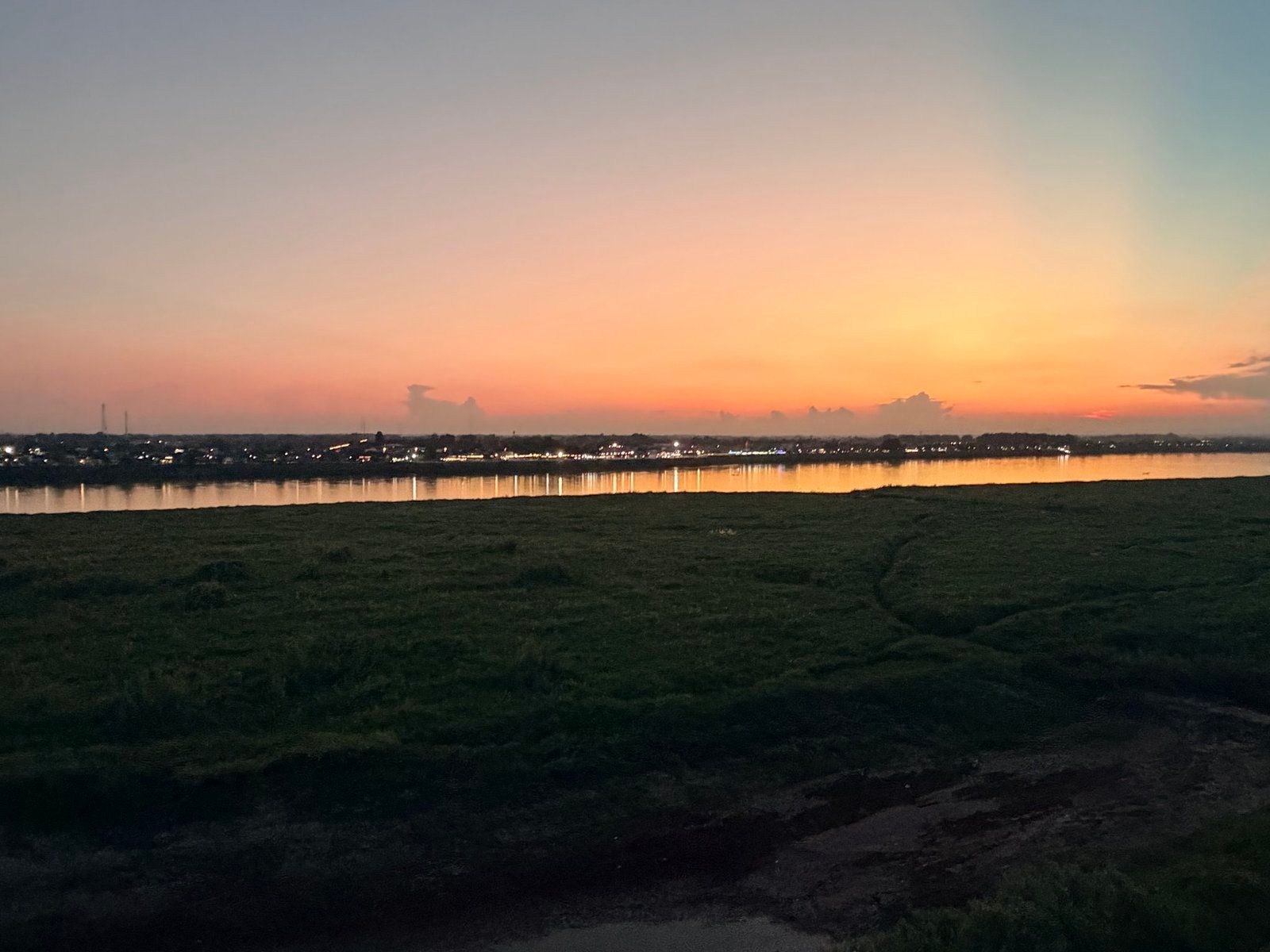
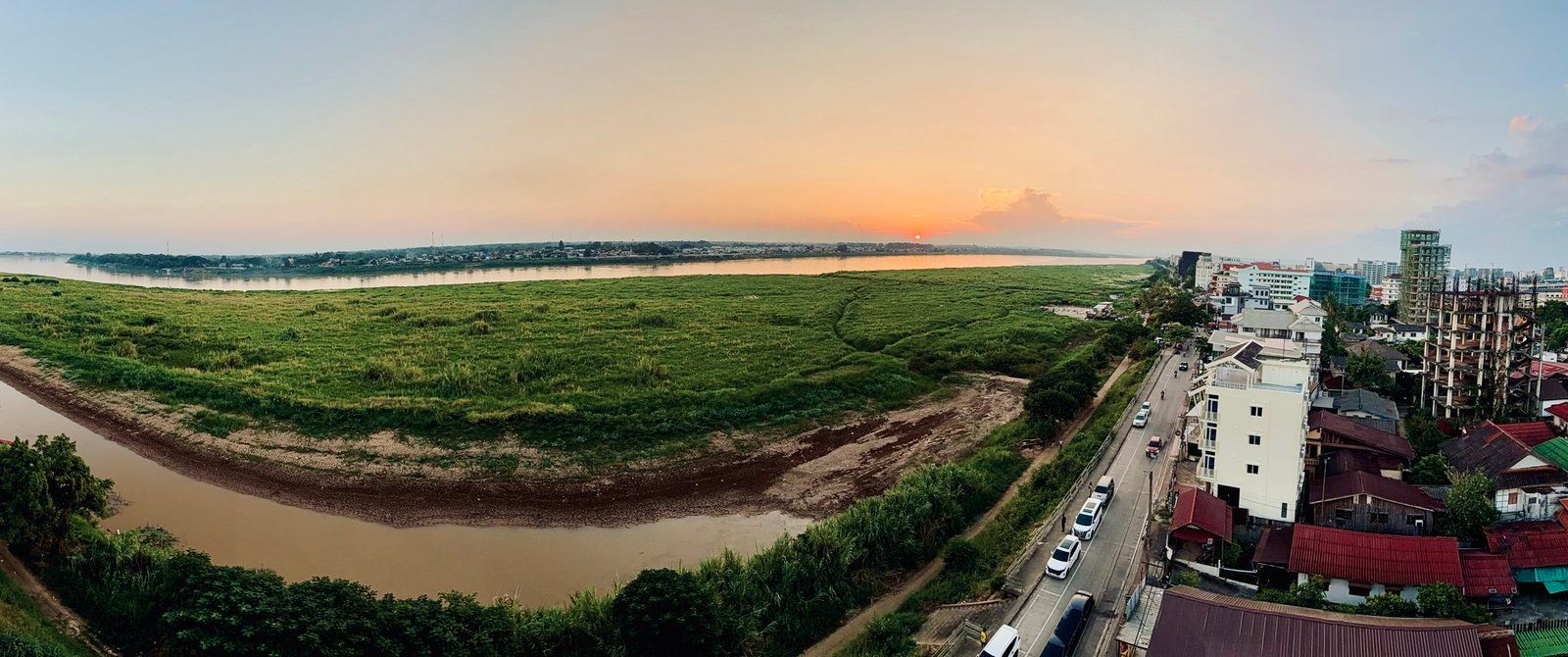
I flew in from Phnom Penh on the evening of 17 November 2026, my 144th country. The next day I saw Vientiane, the low-key capital on the Mekong: the golden stupa of Pha That Luang, the Patuxai victory monument, the Presidential Palace, Wat Si Saket and Haw Phra Kaew, and the COPE Visitor Centre, which makes artificial limbs for people hurt by unexploded bombs. The day ended with sunset over the river.
On 19 November I took the train north. The Laos–China Railway, opened in 2021, cuts what used to be a long, winding drive to Luang Prabang down to under two hours. Luang Prabang, the old royal capital, is a UNESCO World Heritage town of gilded temples, French colonial shophouses and monks in saffron robes, on a peninsula where the Nam Khan meets the Mekong.
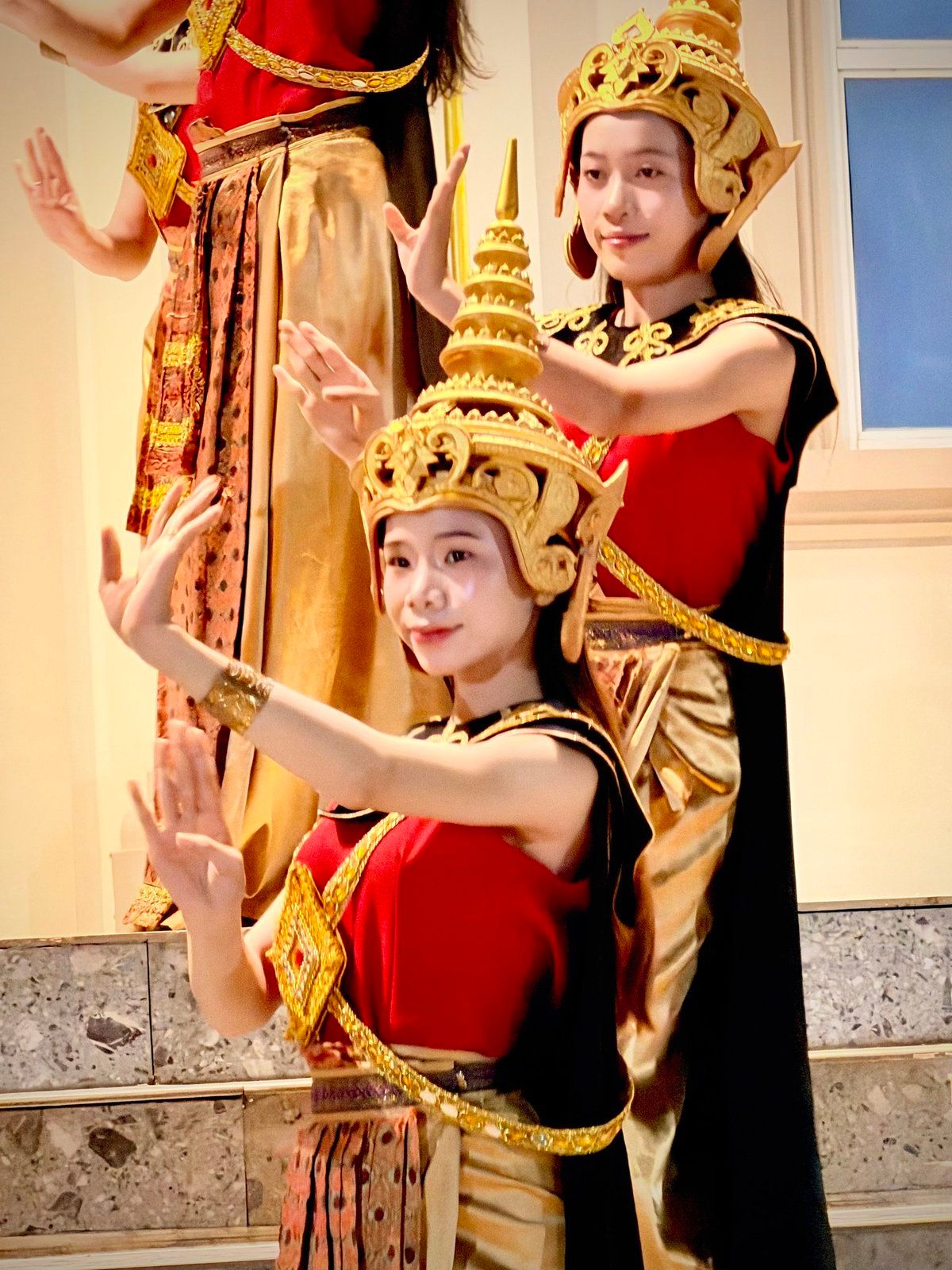
I spent the rest of the trip there: Wat Xieng Thong and the old Royal Palace, sunset from the top of Mount Phousi and an evening of Lao dance, a day out to Kuang Si Falls and its bear rescue center, Lao folktales at Garavek, the monks’ dawn alms procession on 21 November, and a boat on the Mekong for the last sunset that evening.
Vientiane
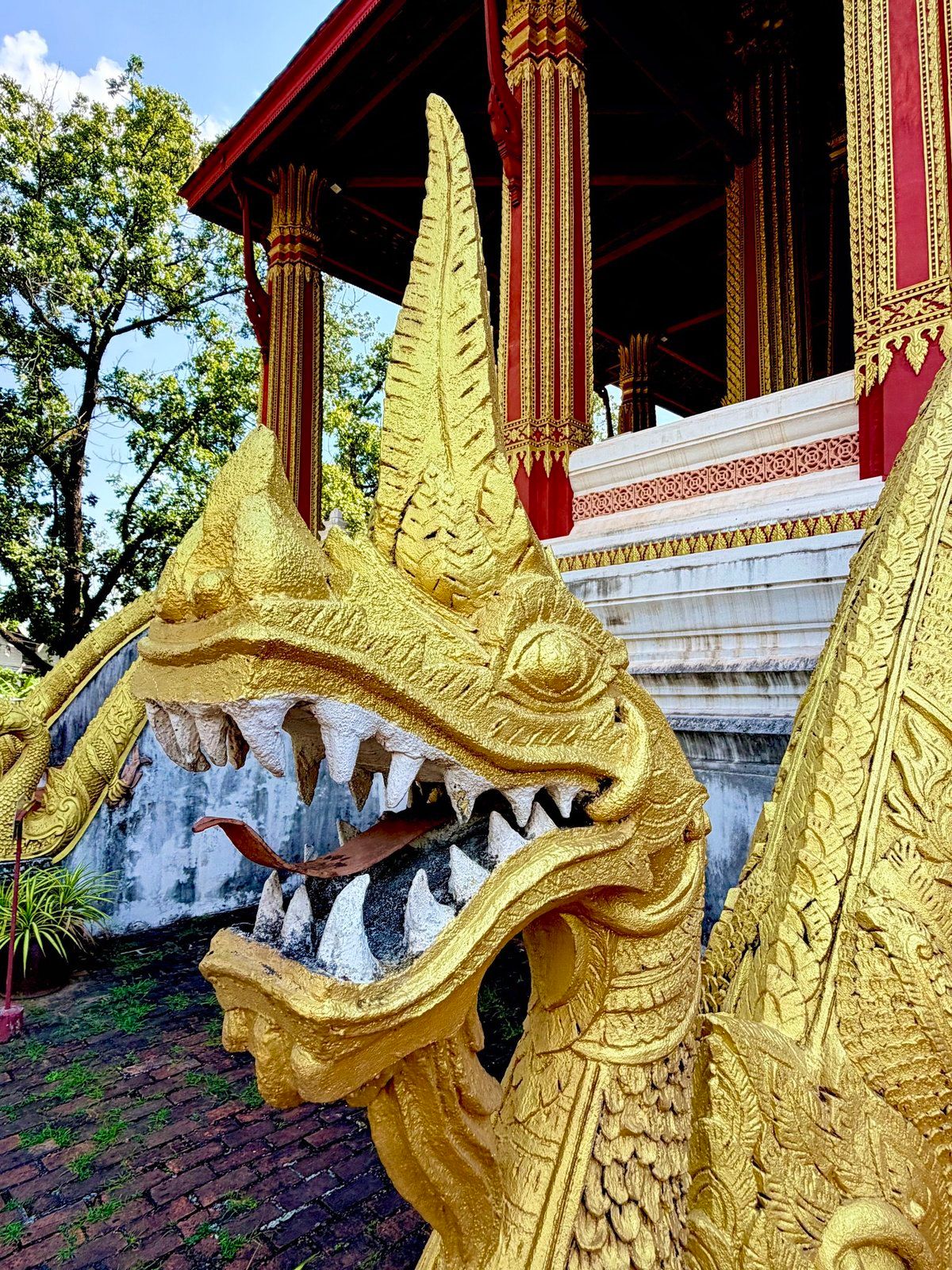
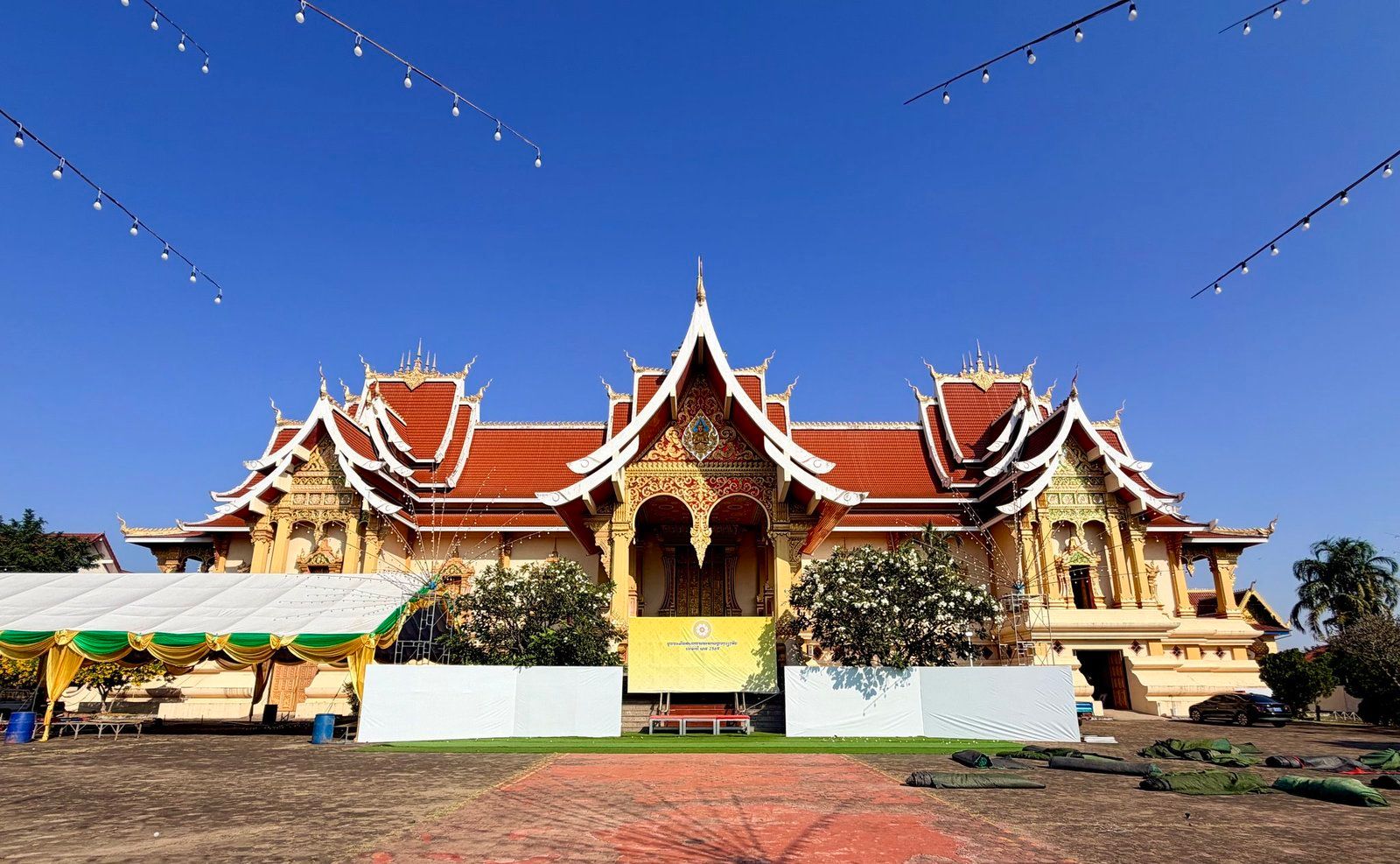
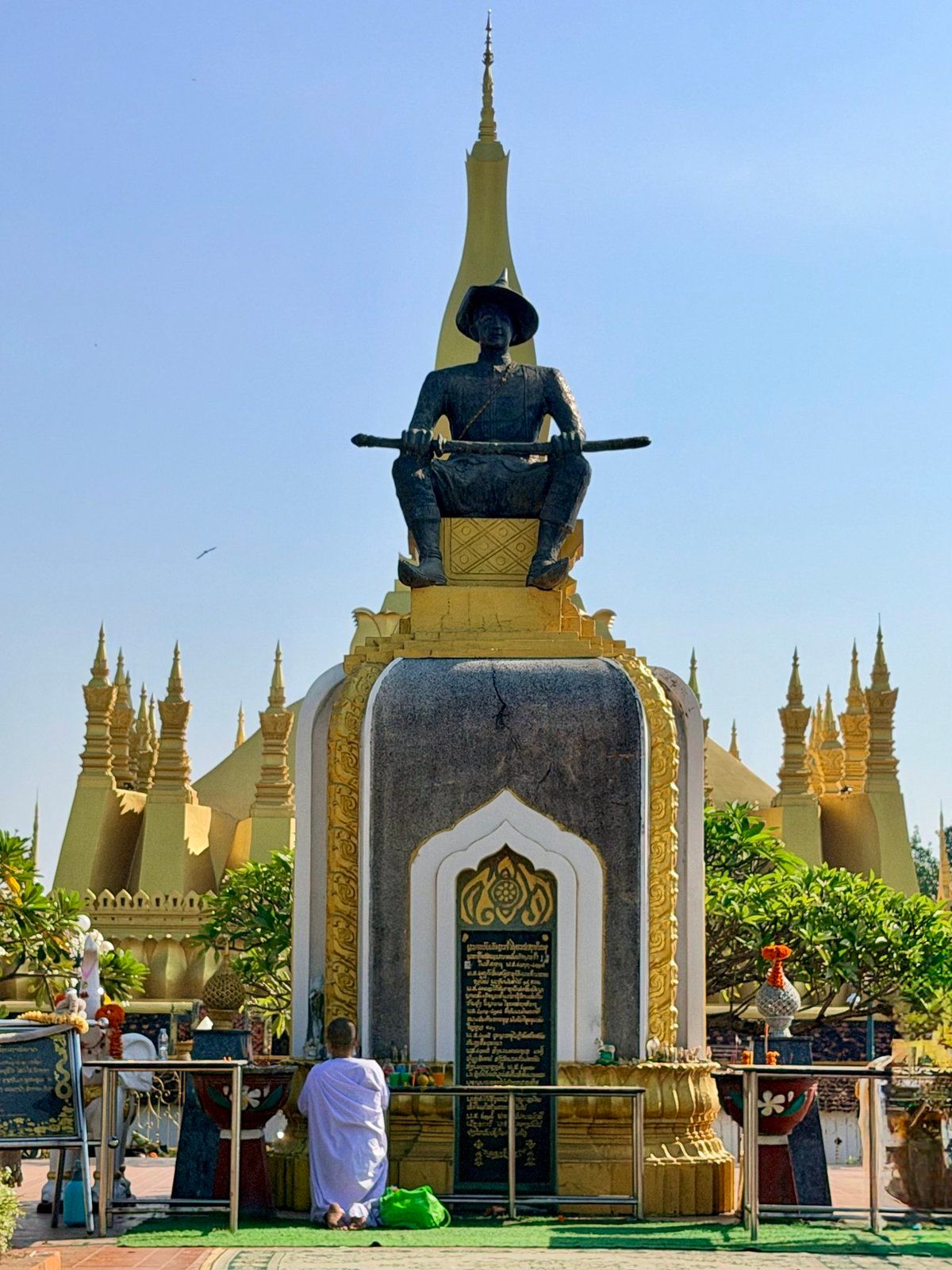
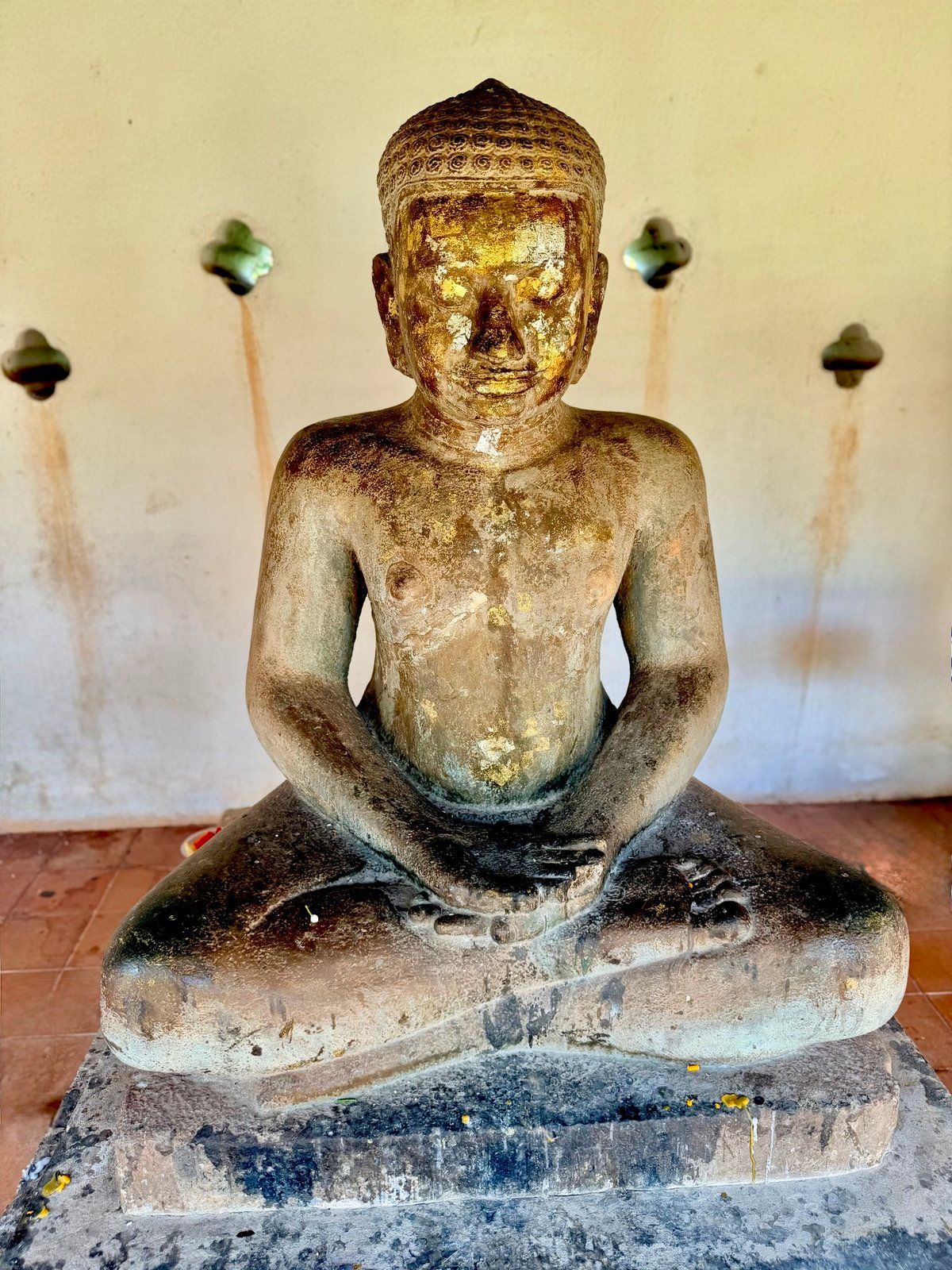
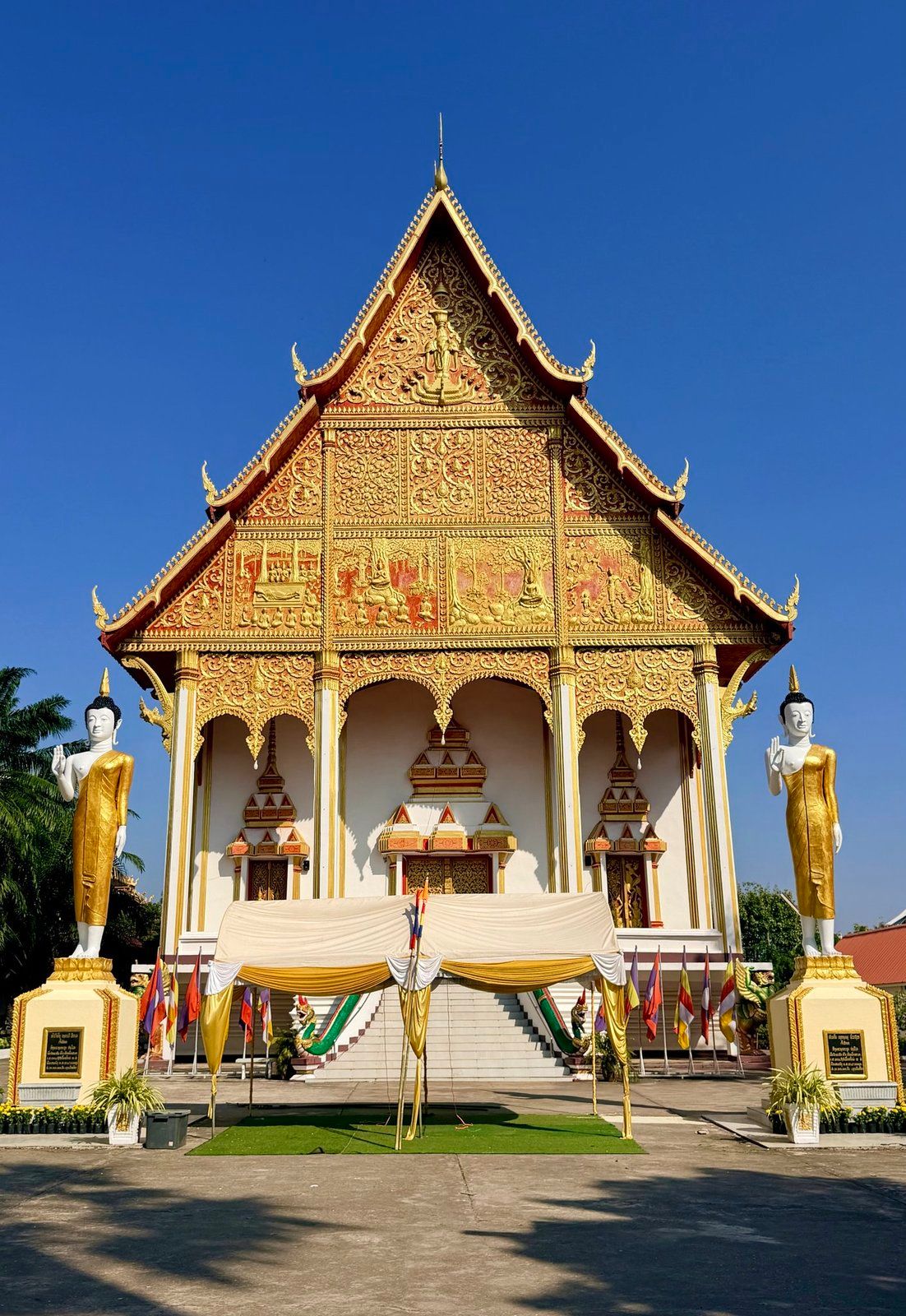
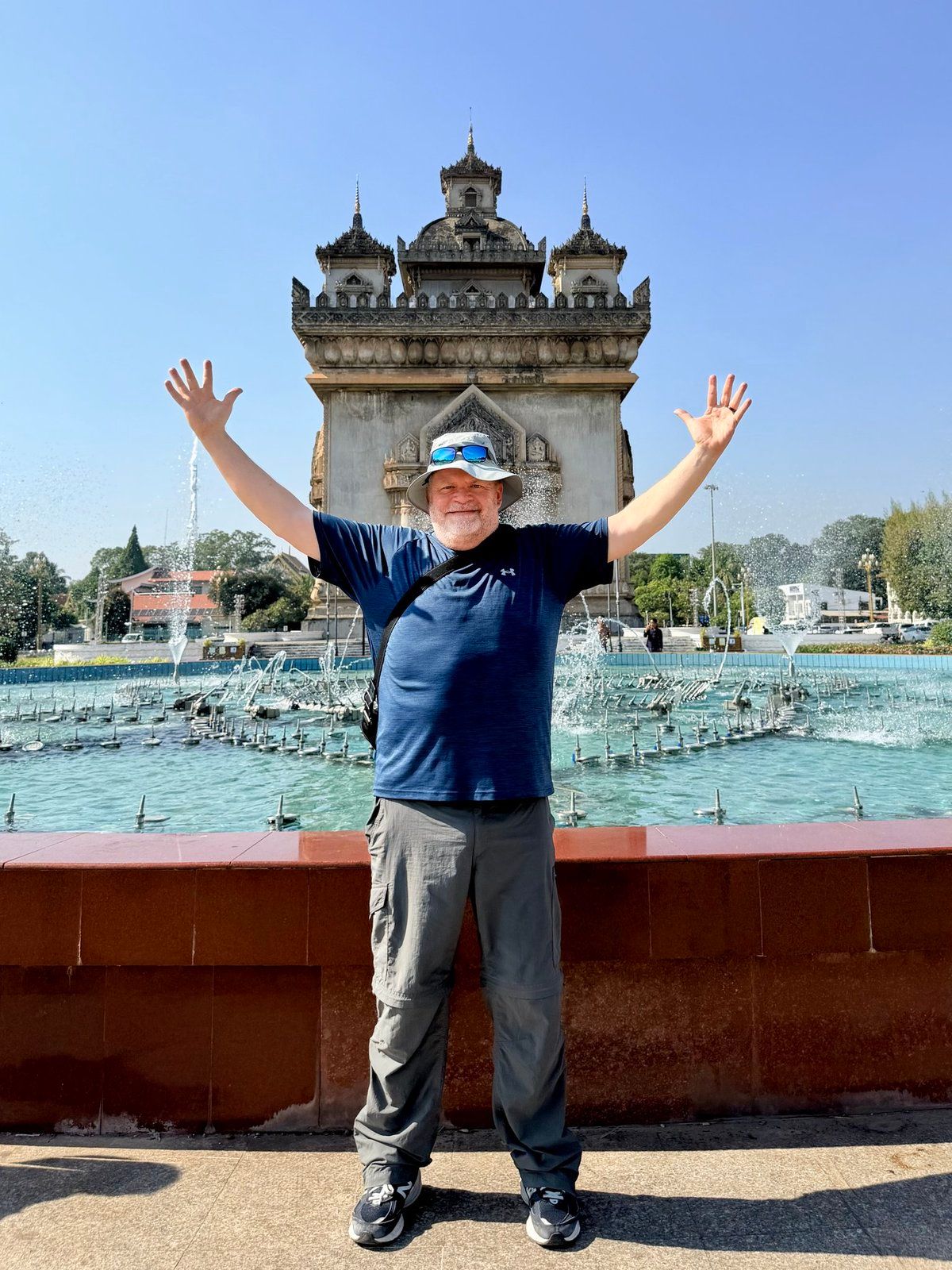
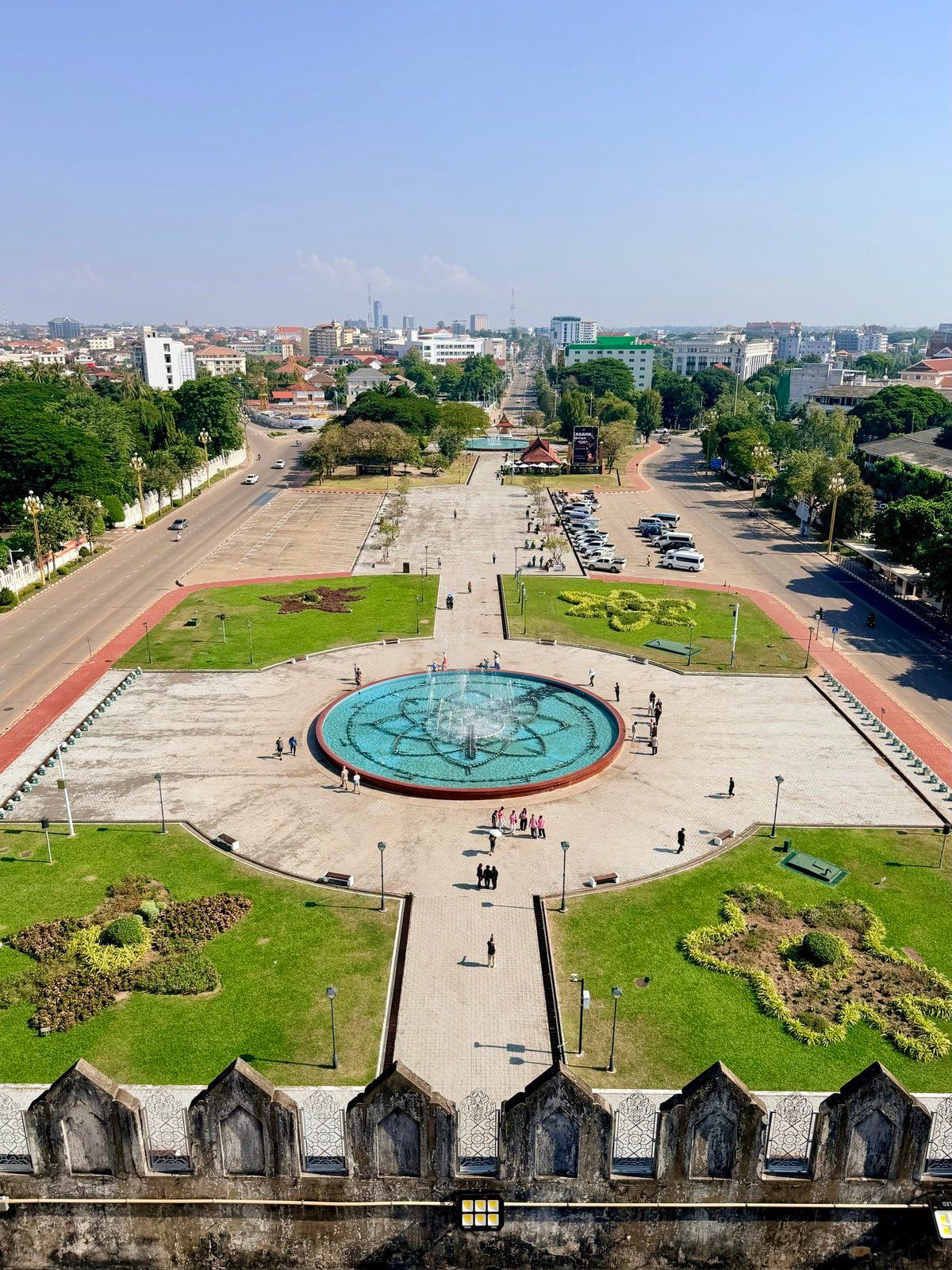
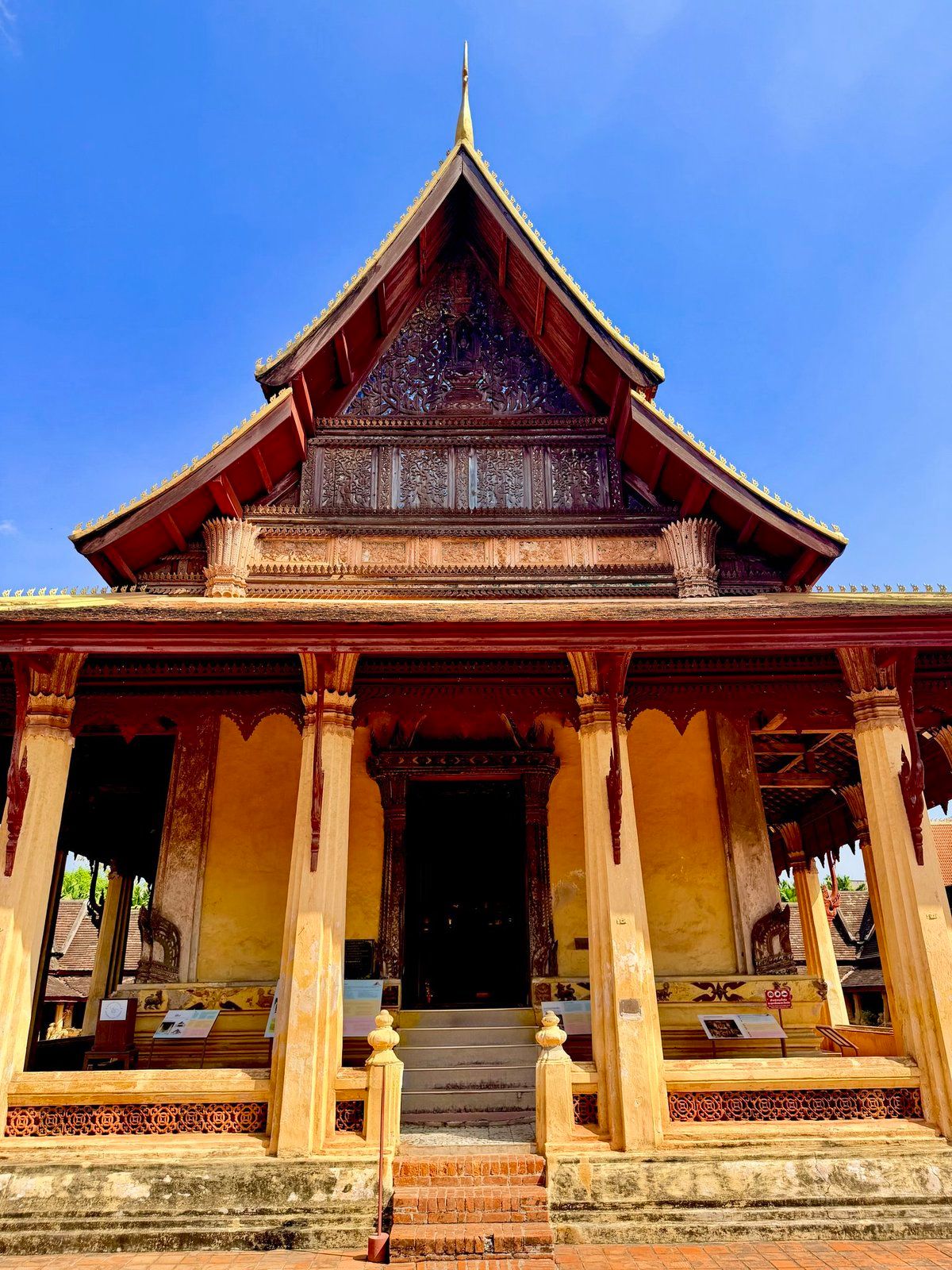
The capital is small and easygoing for a national capital. Its landmarks are spread along wide boulevards: Pha That Luang, the national symbol; Patuxai, a 1960s victory arch built with concrete said to have been meant for an airport runway; Wat Si Saket, from 1818, the oldest temple still standing in the city; and, across the road, Haw Phra Kaew, once the royal temple.
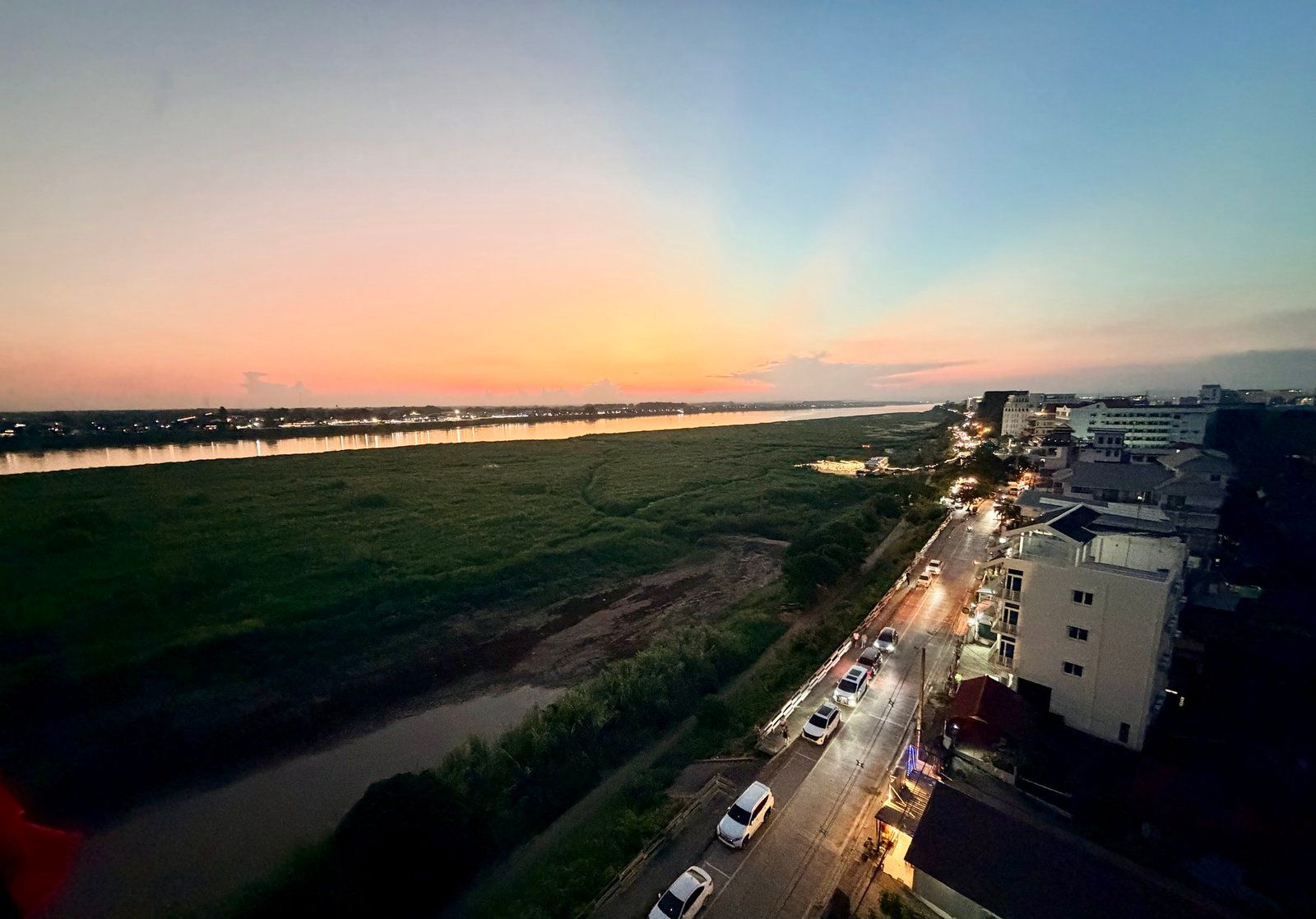
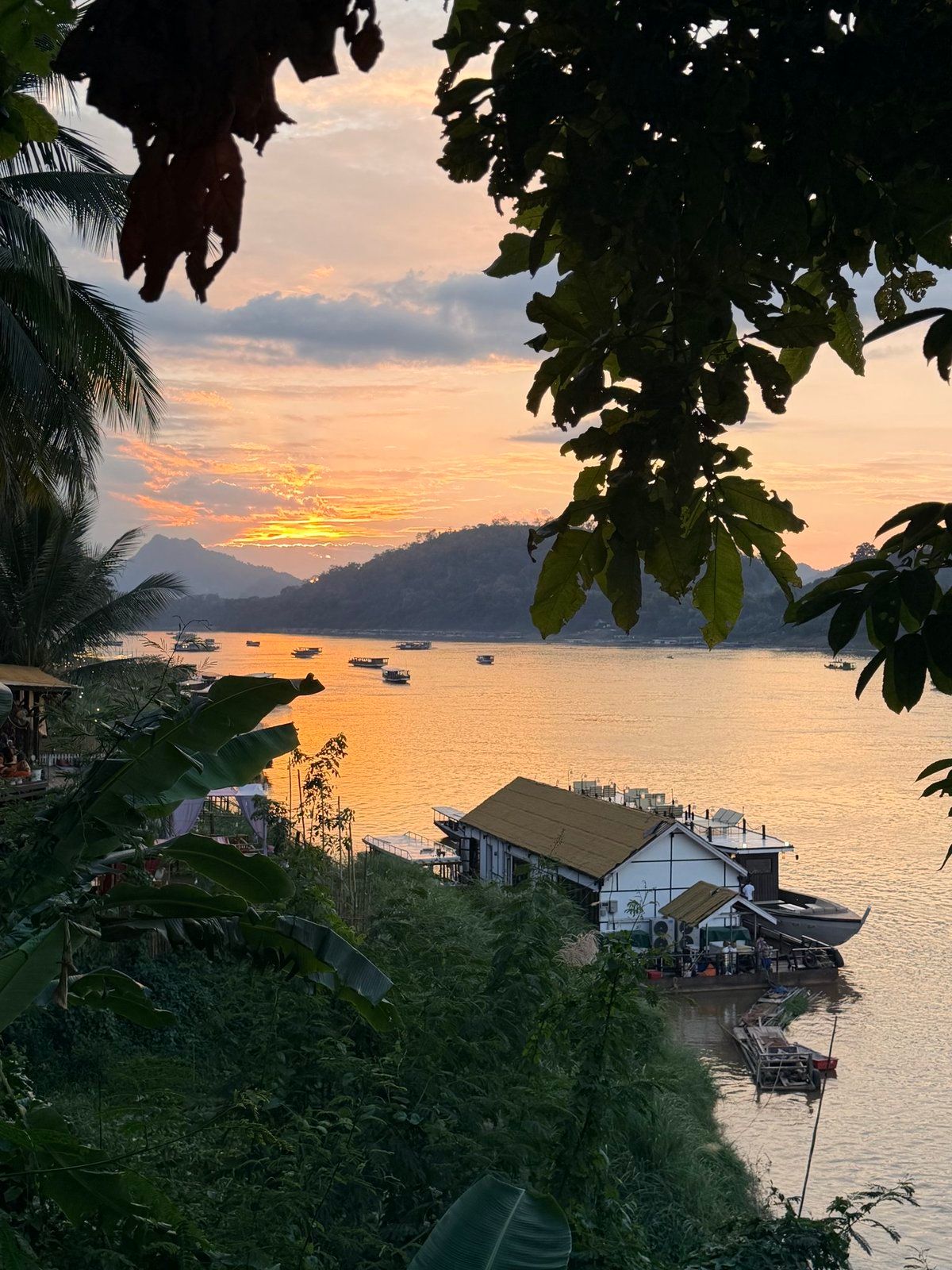
Sunset on the Mekong
Vientiane faces Thailand across the Mekong, and the riverbank is where the city goes at the end of the day.
North by train
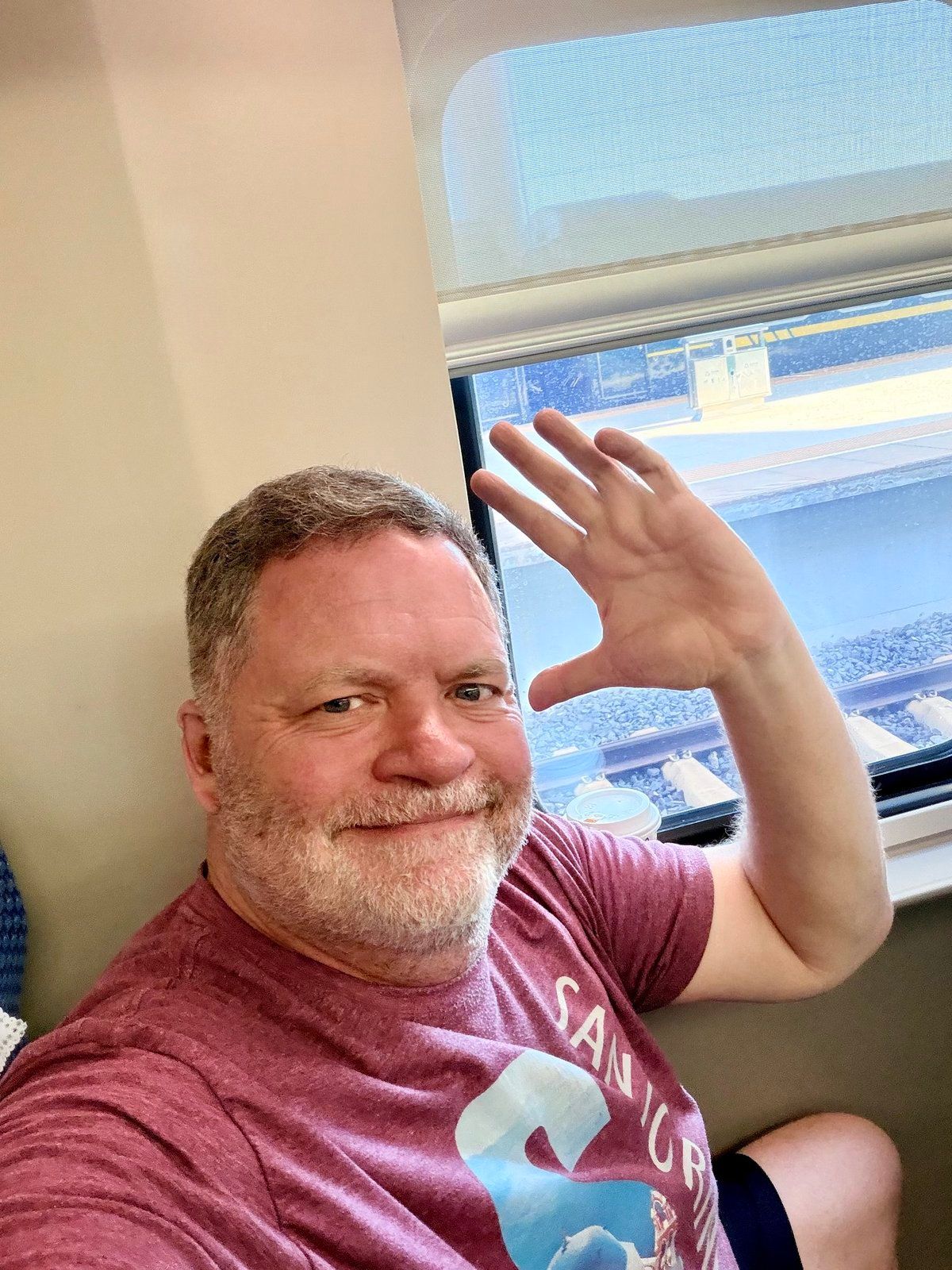
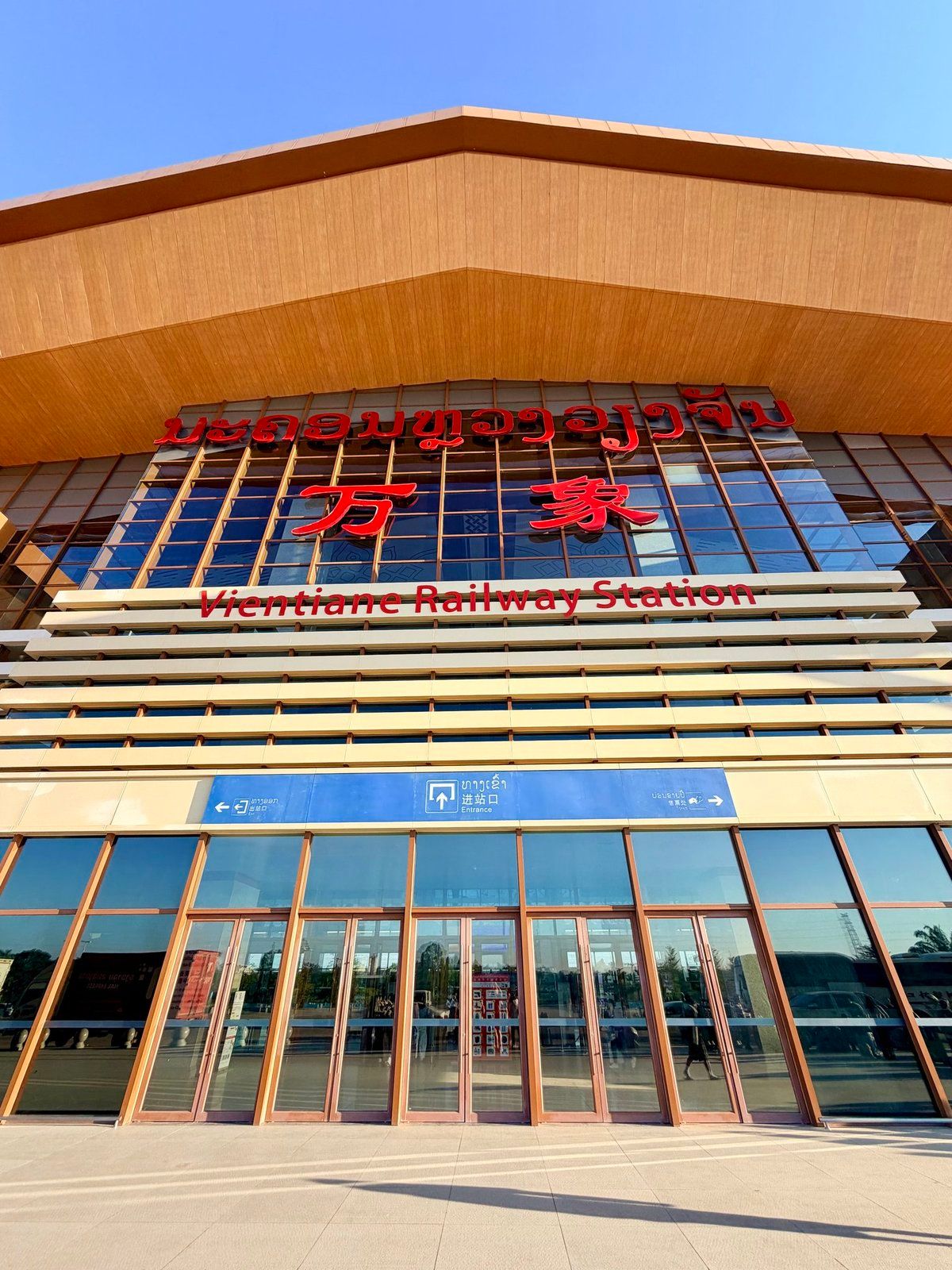
On the morning of 19 November I left from Vientiane station on the Laos–China Railway. The line runs north through tunnels and karst mountains to Luang Prabang.
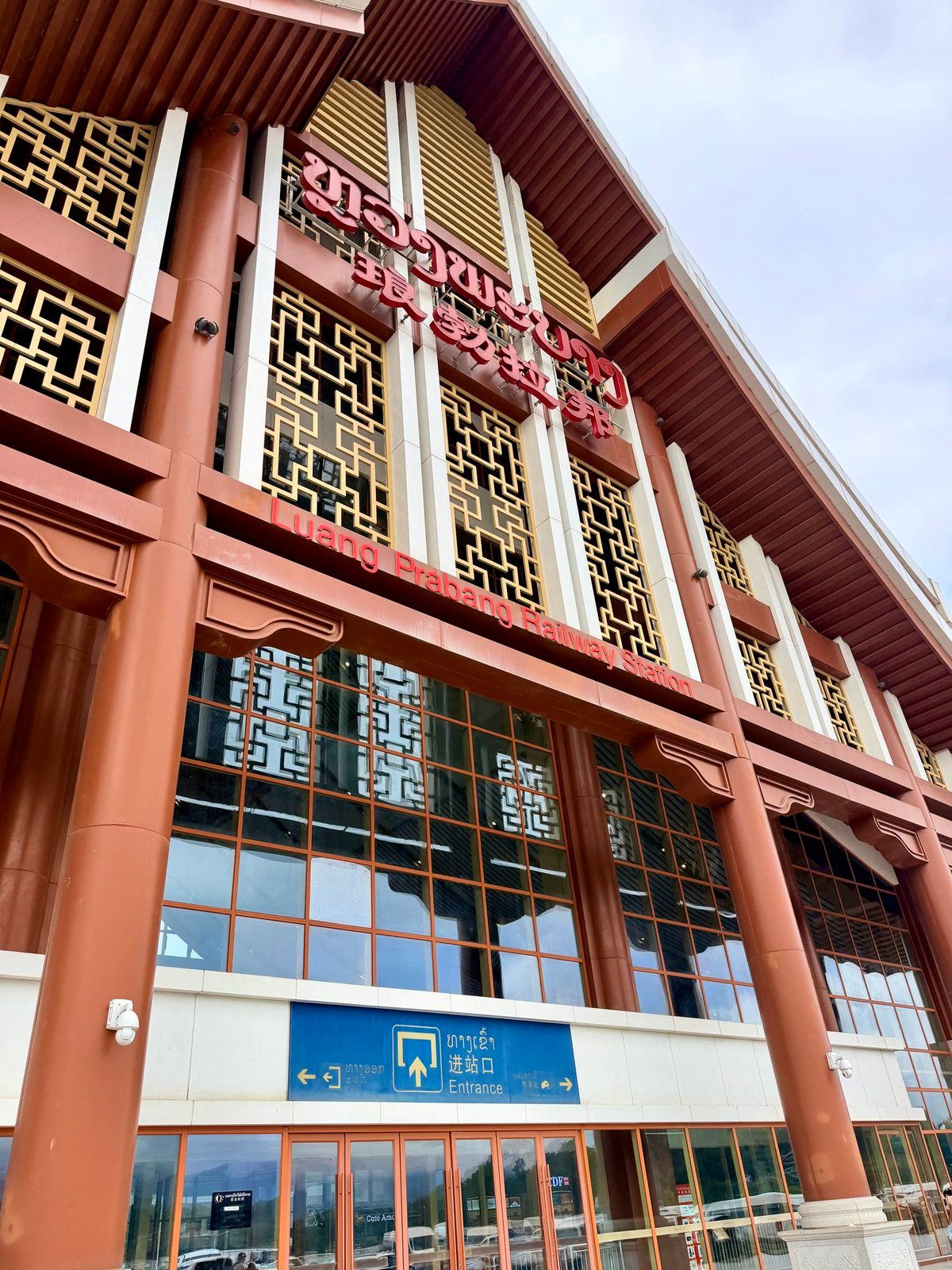
Luang Prabang
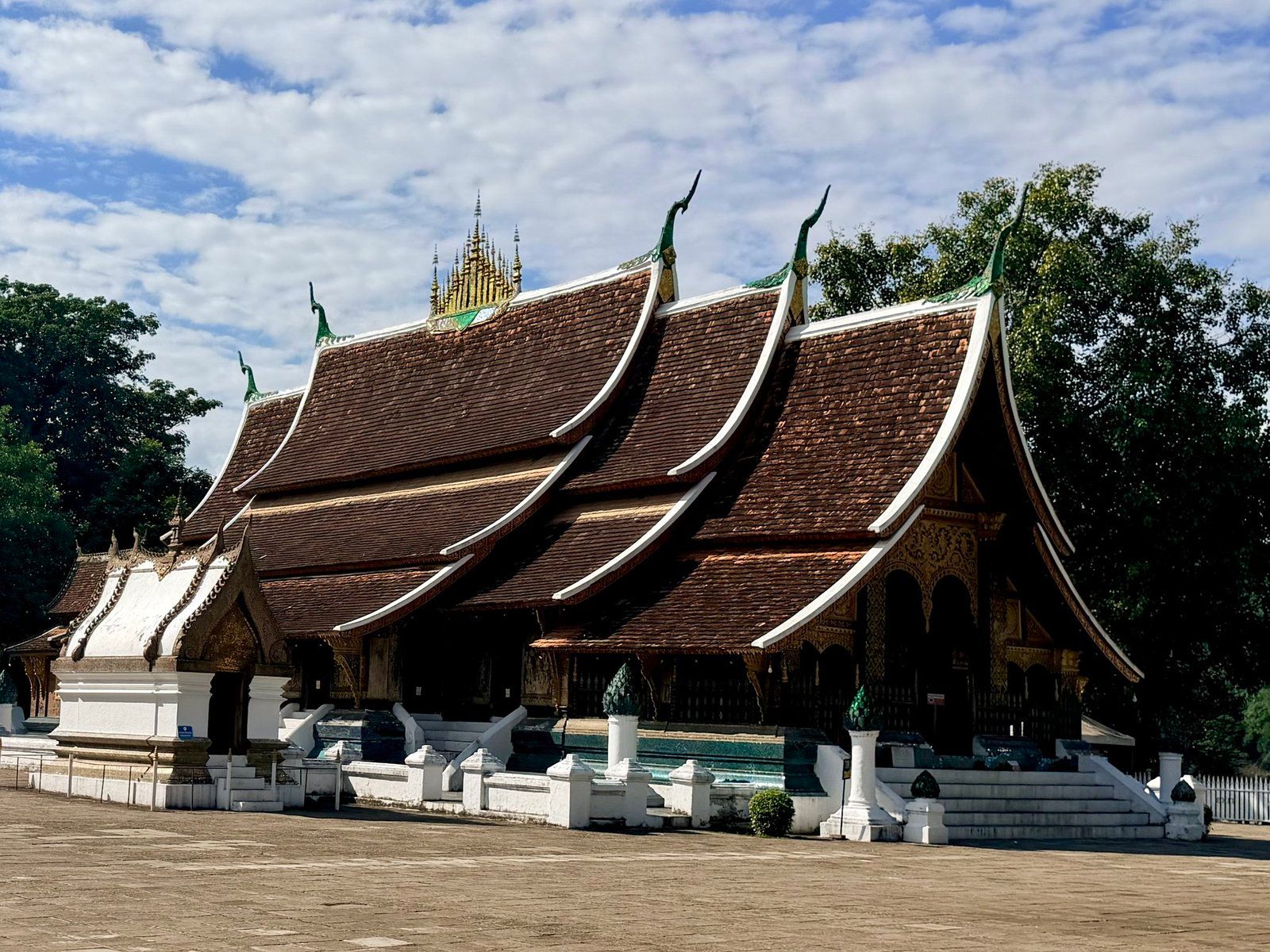
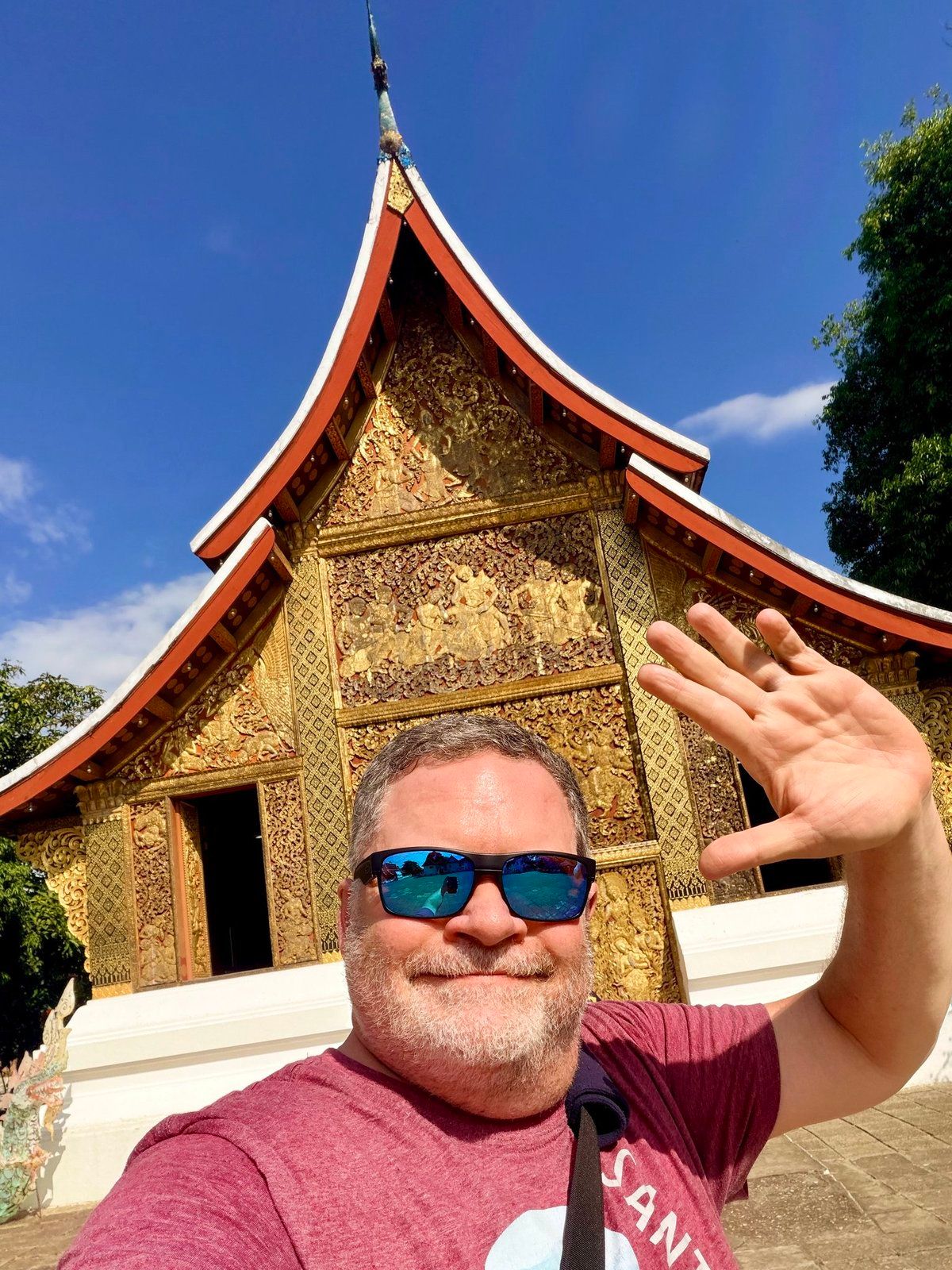
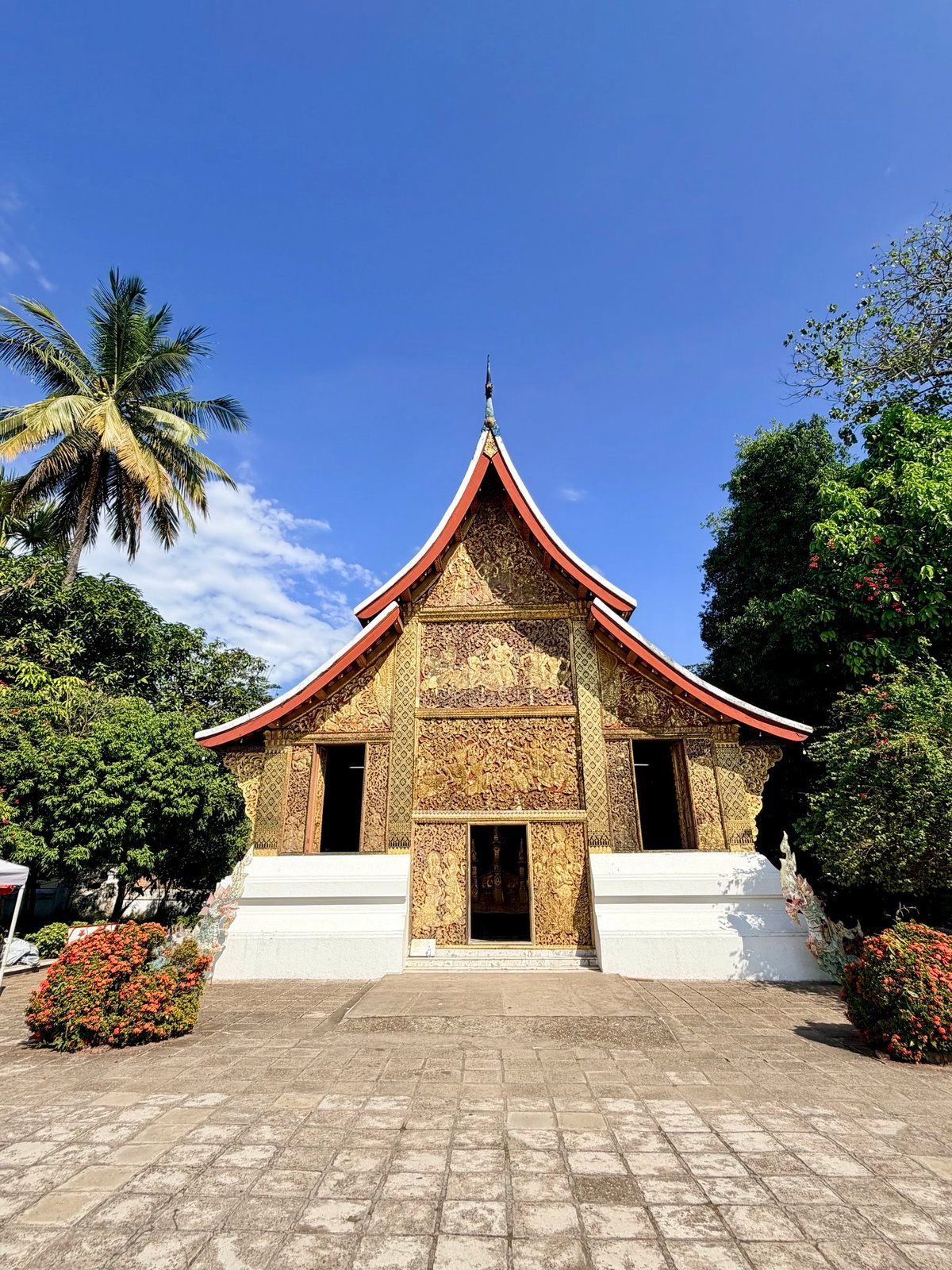
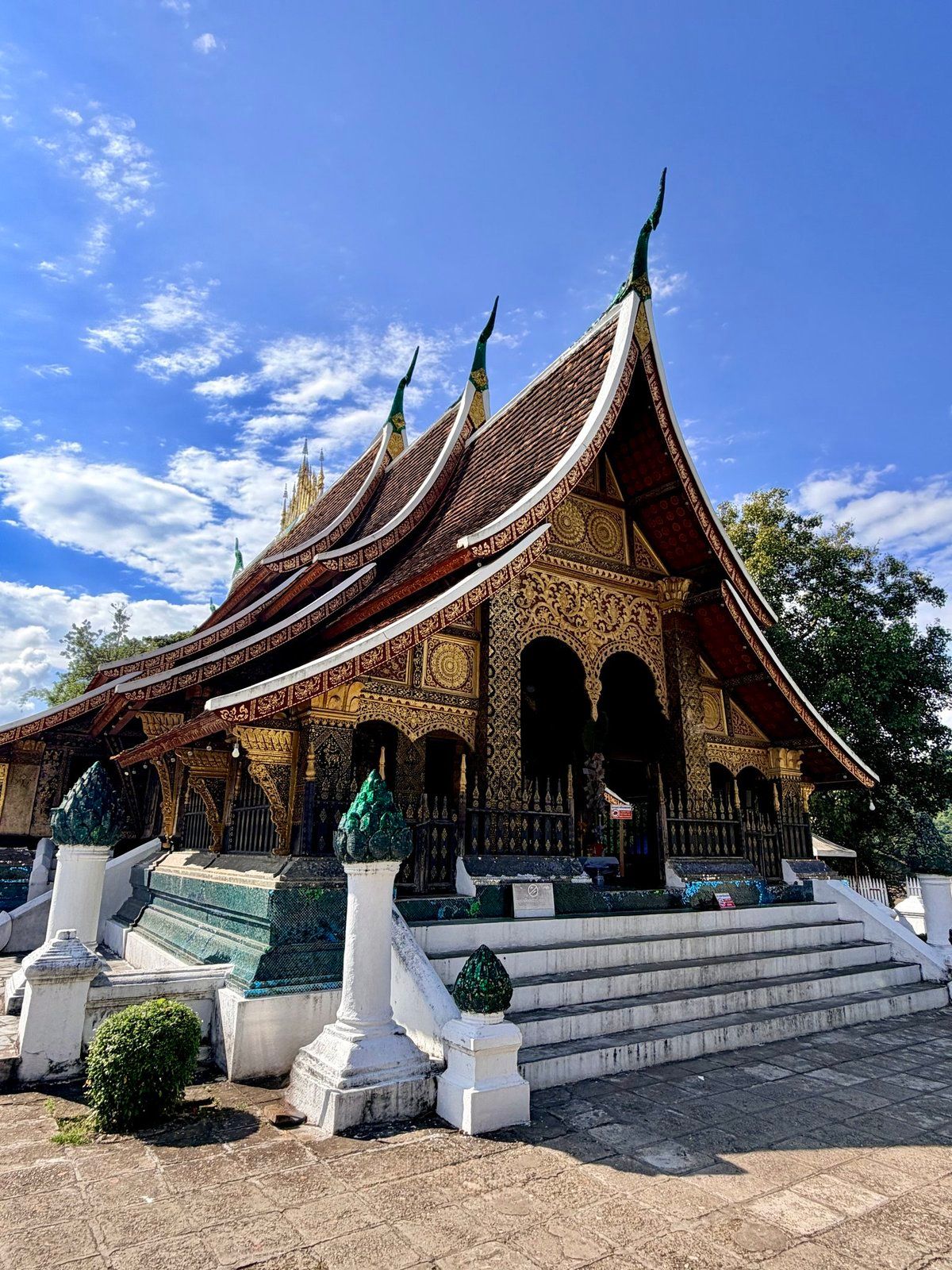
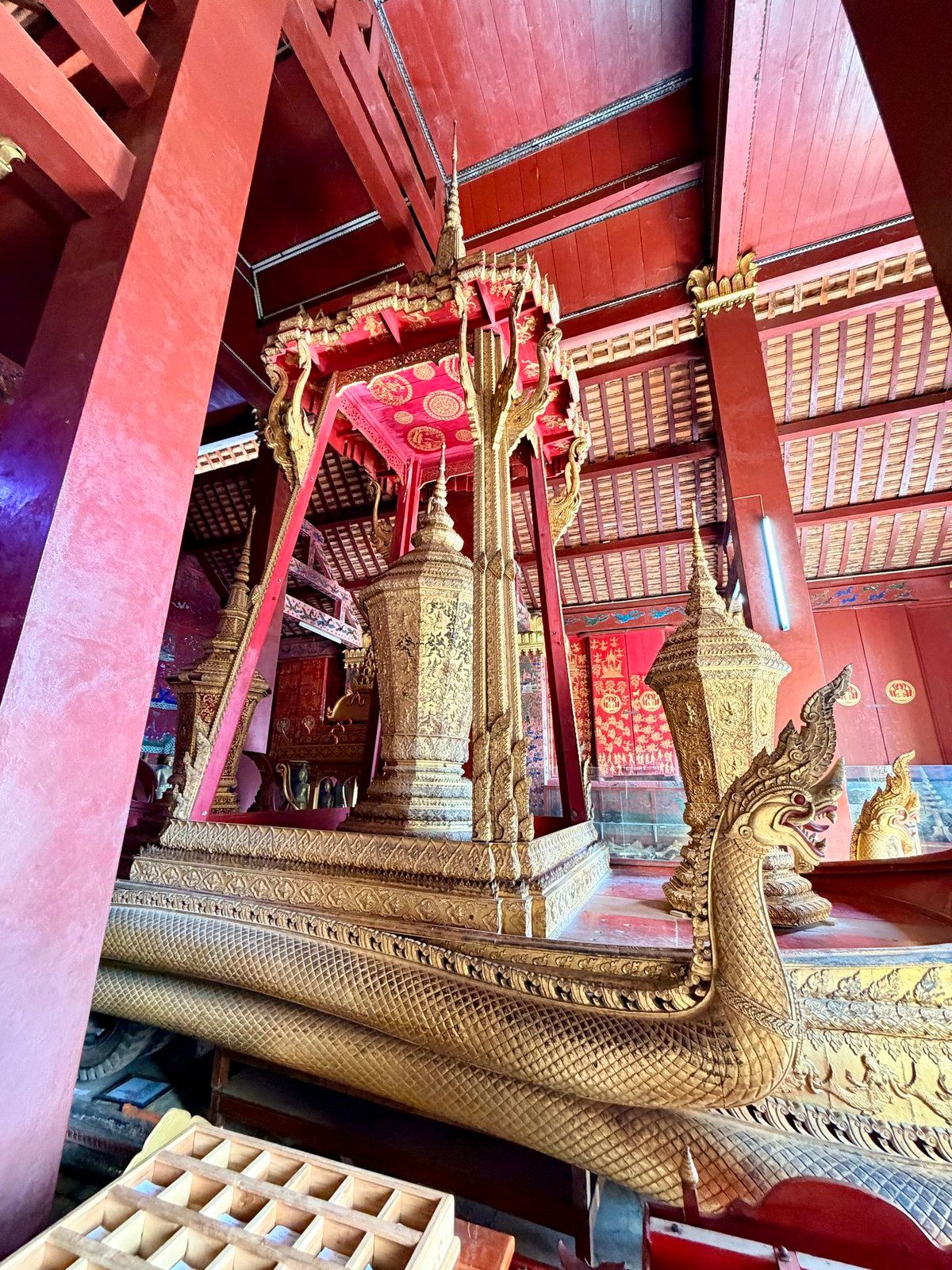
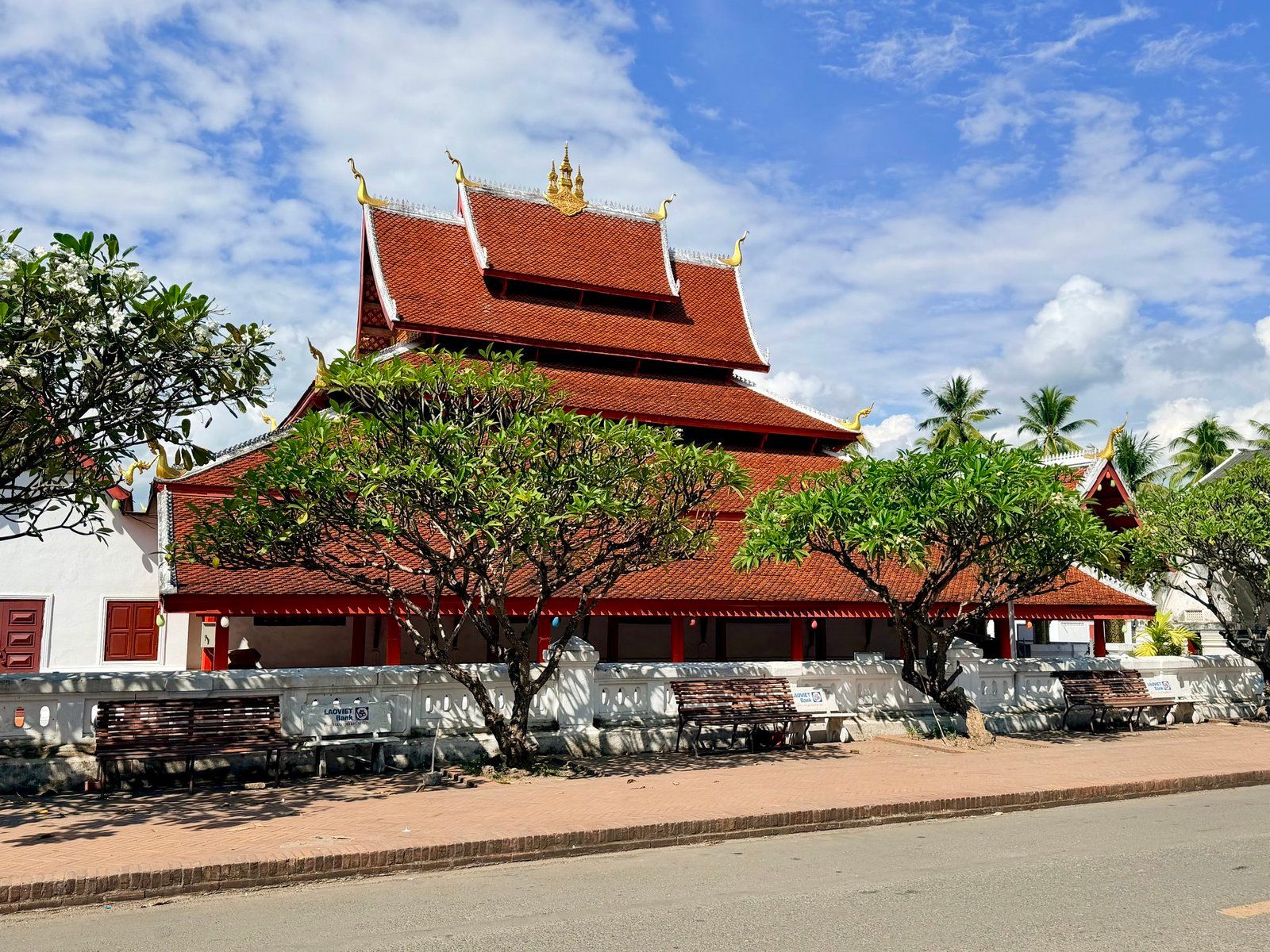
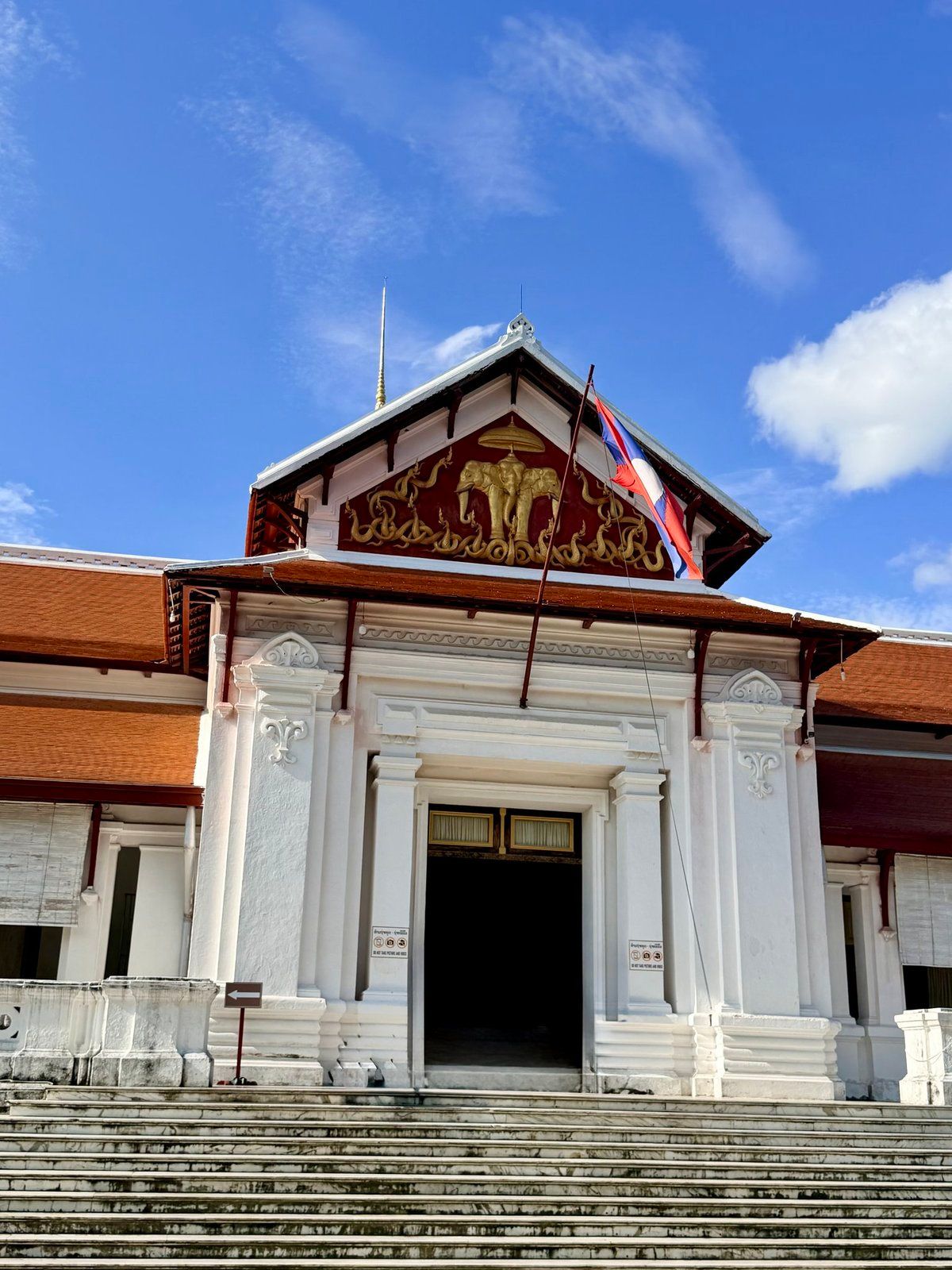
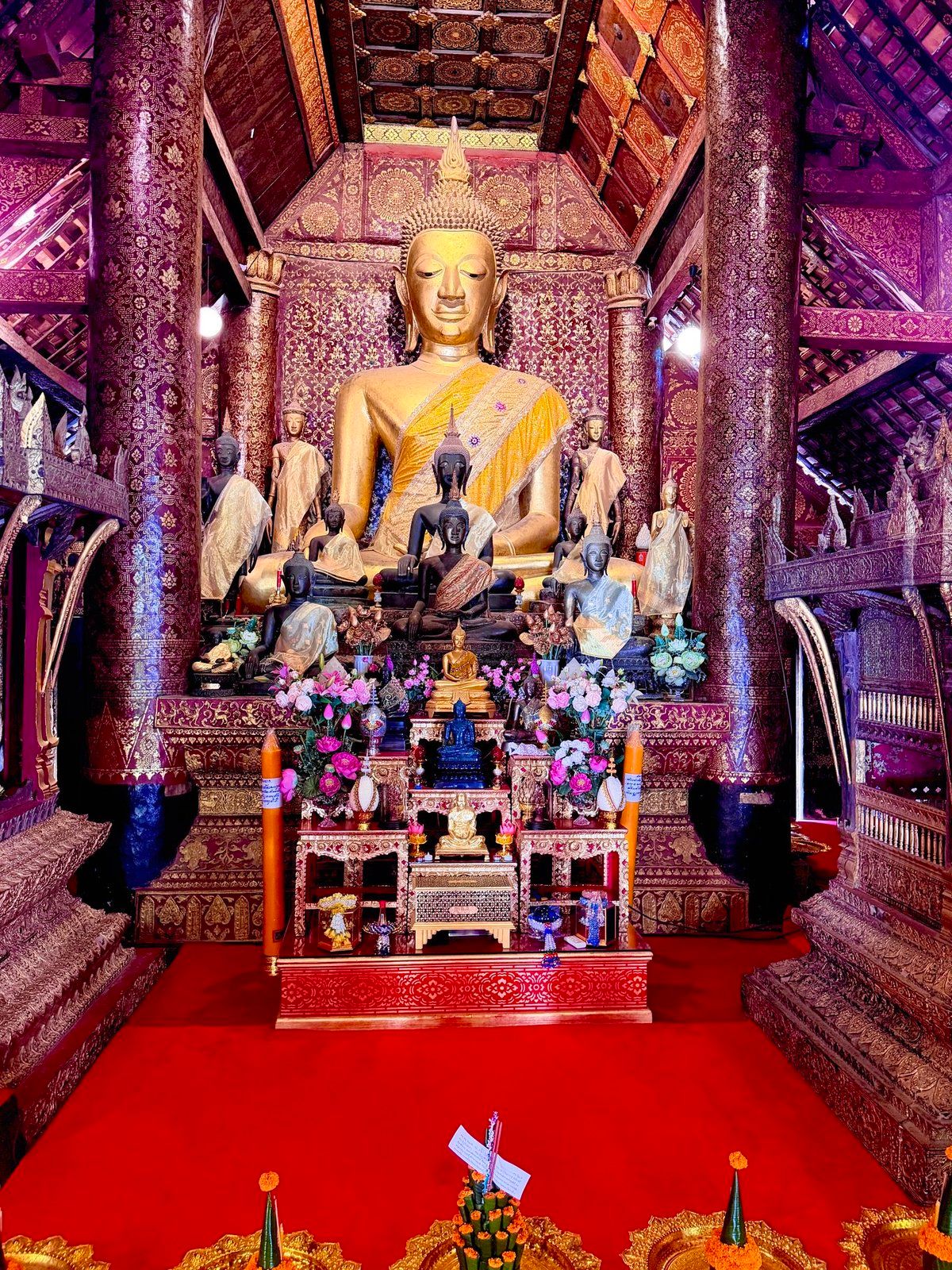
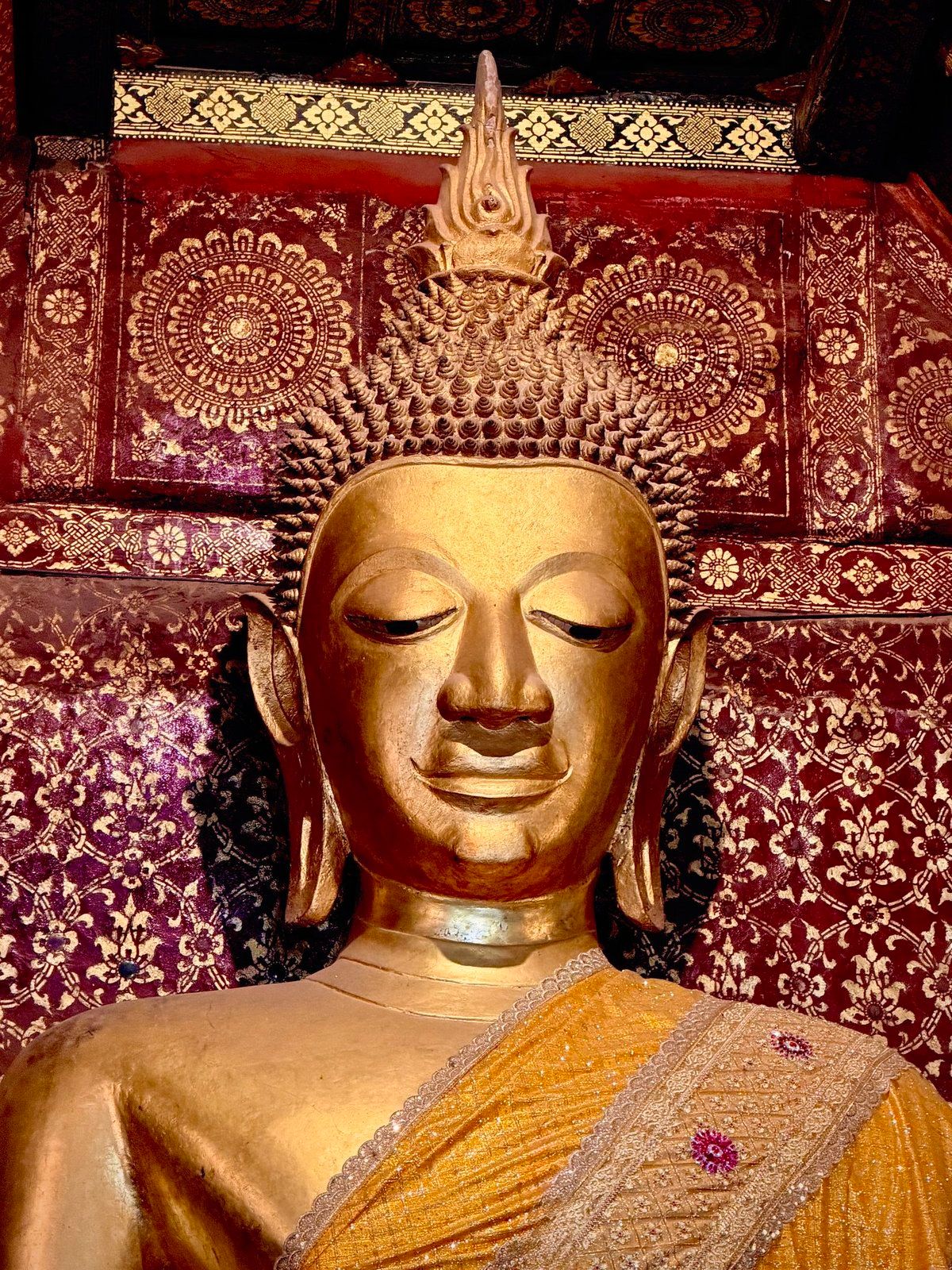
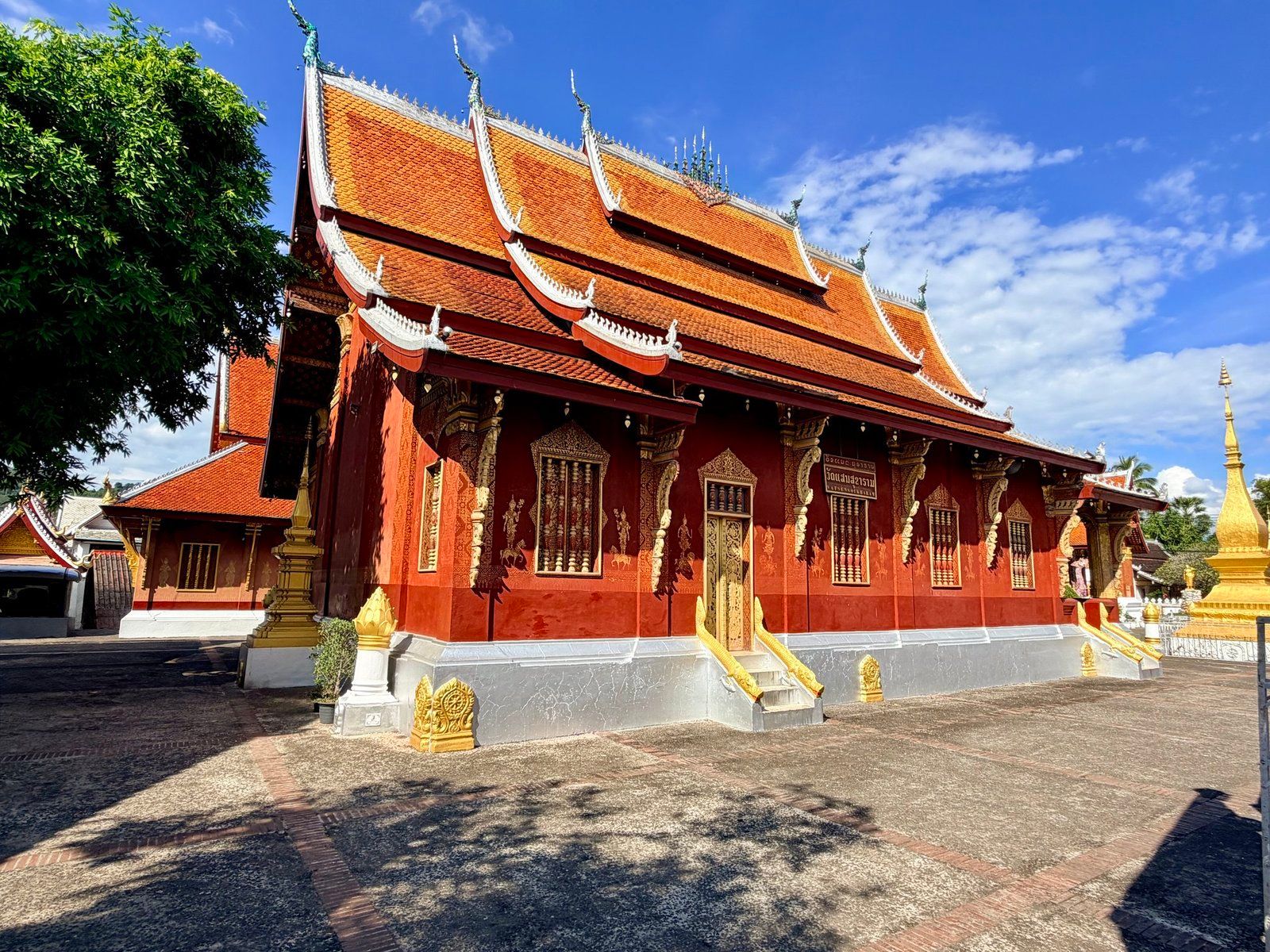
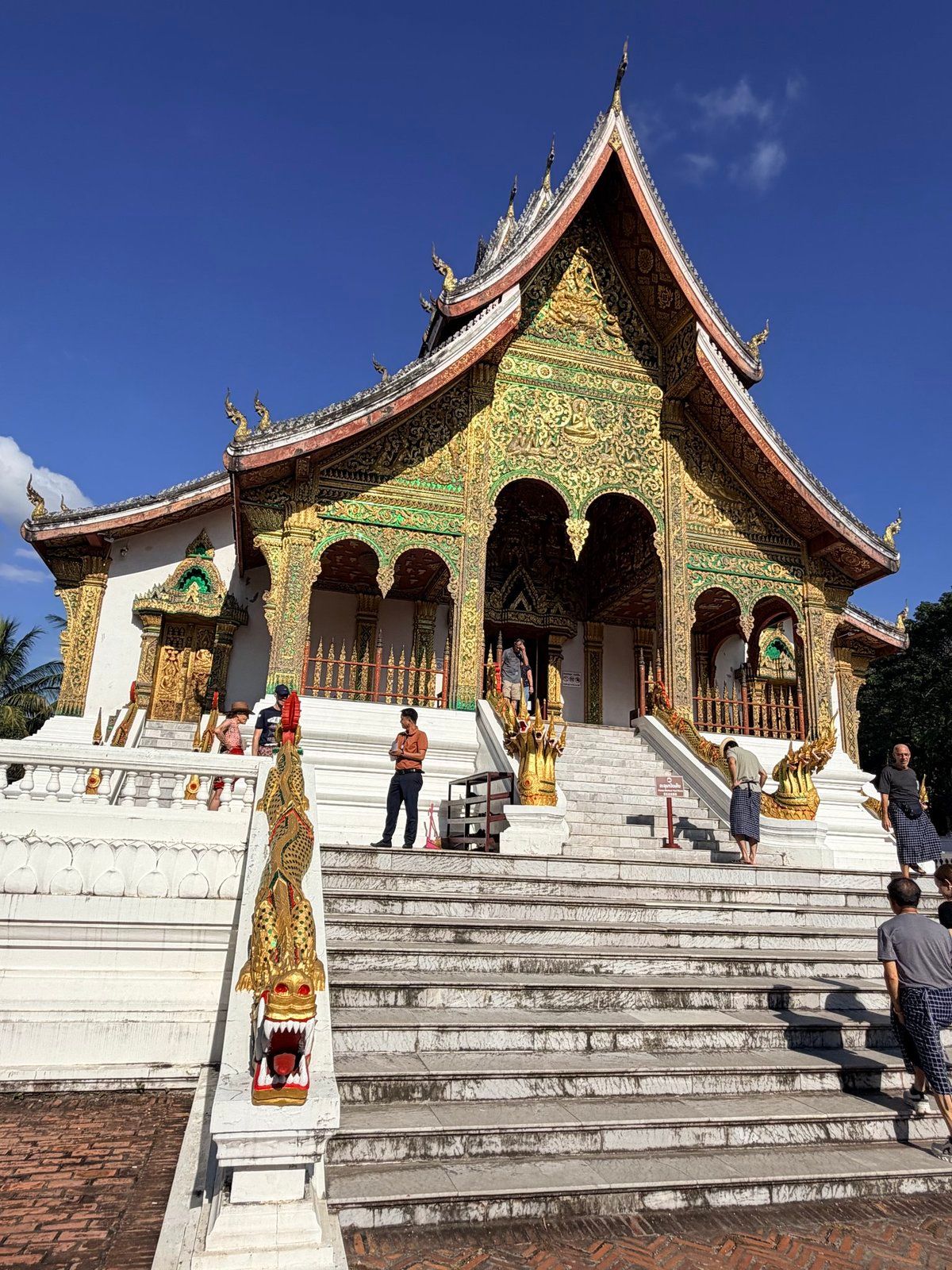
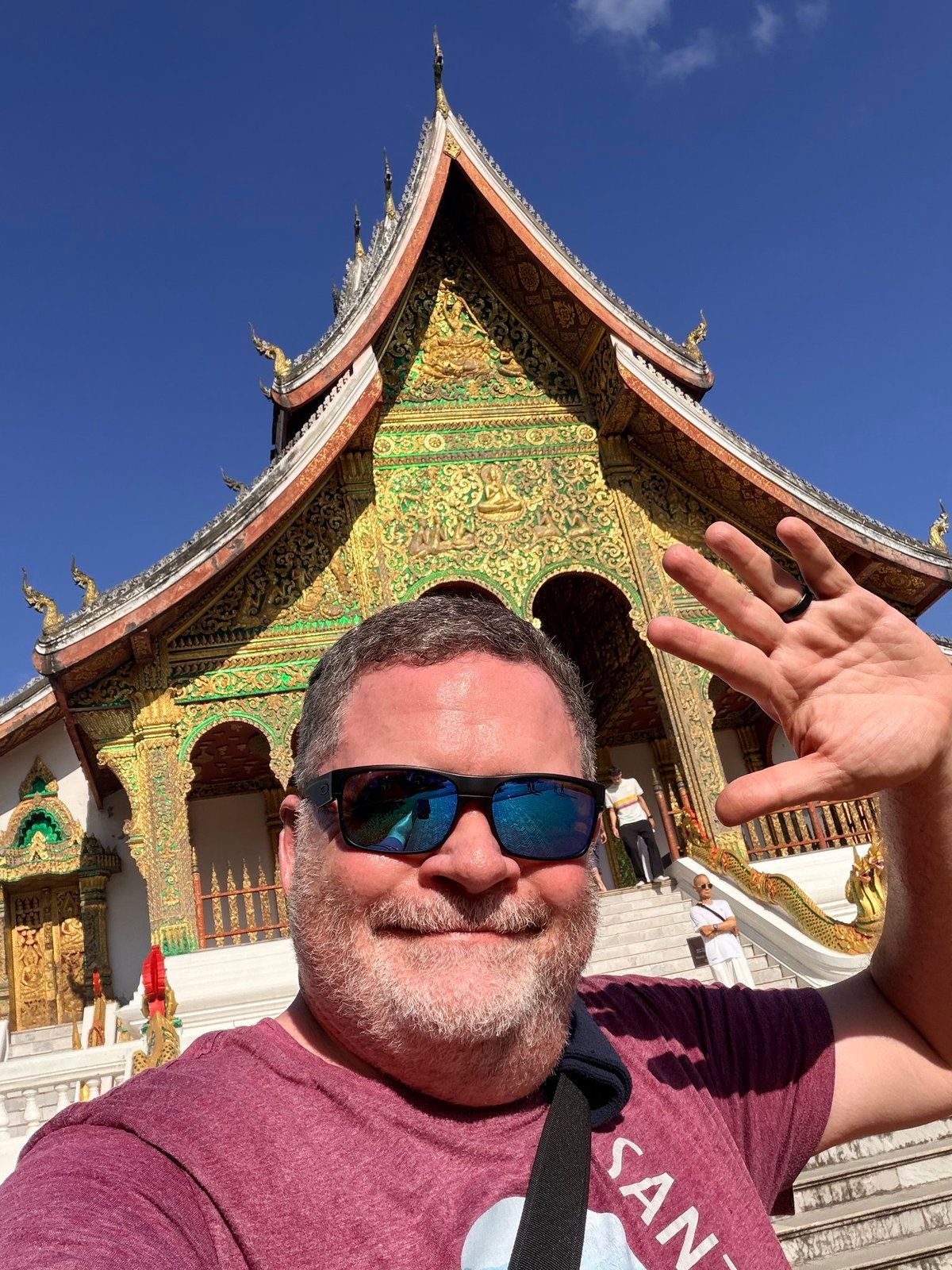
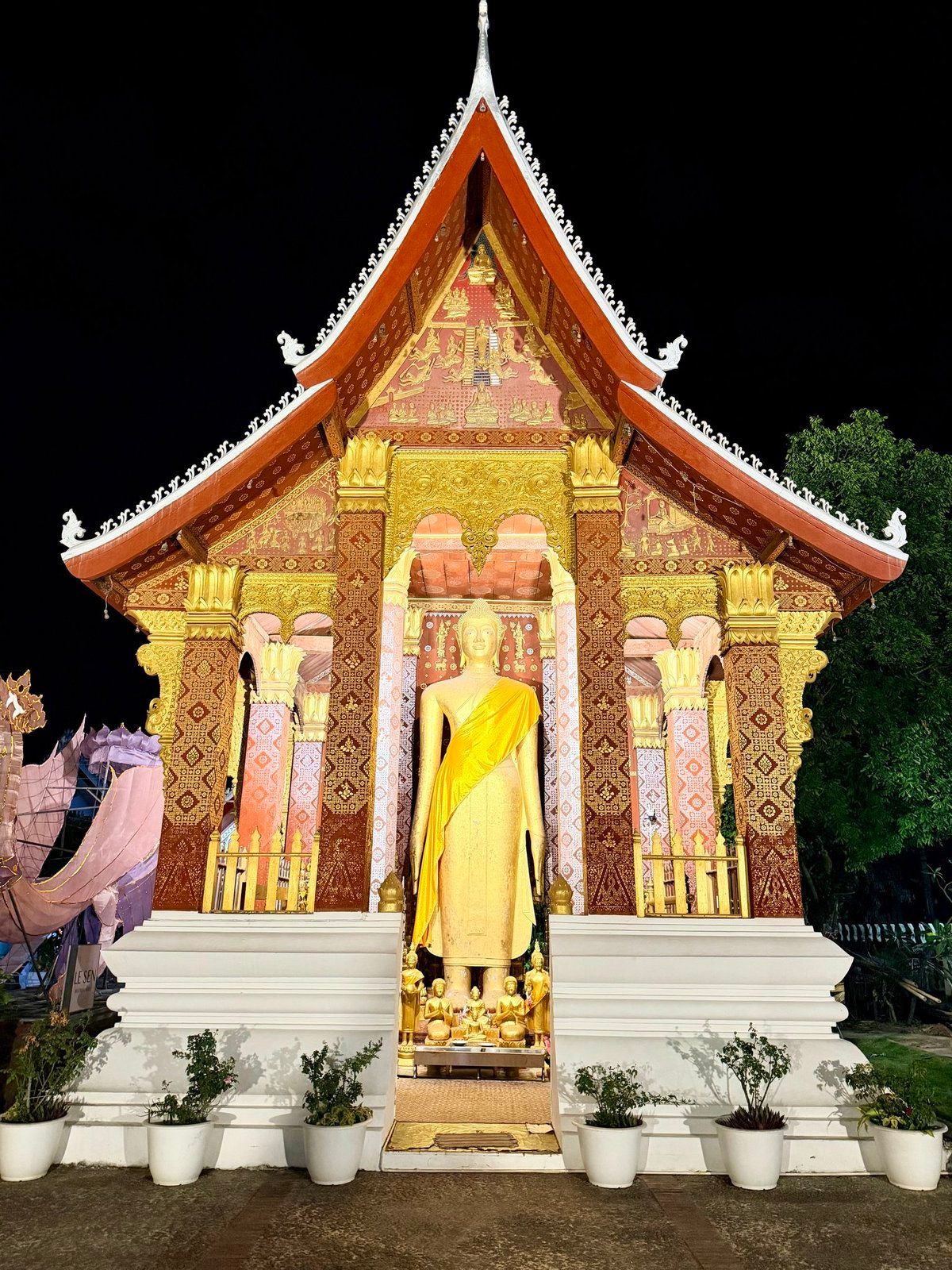
Wat Xieng Thong, built around 1560, is the town's most famous temple, with roofs that sweep almost to the ground. A short walk away, the former Royal Palace is now the National Museum.
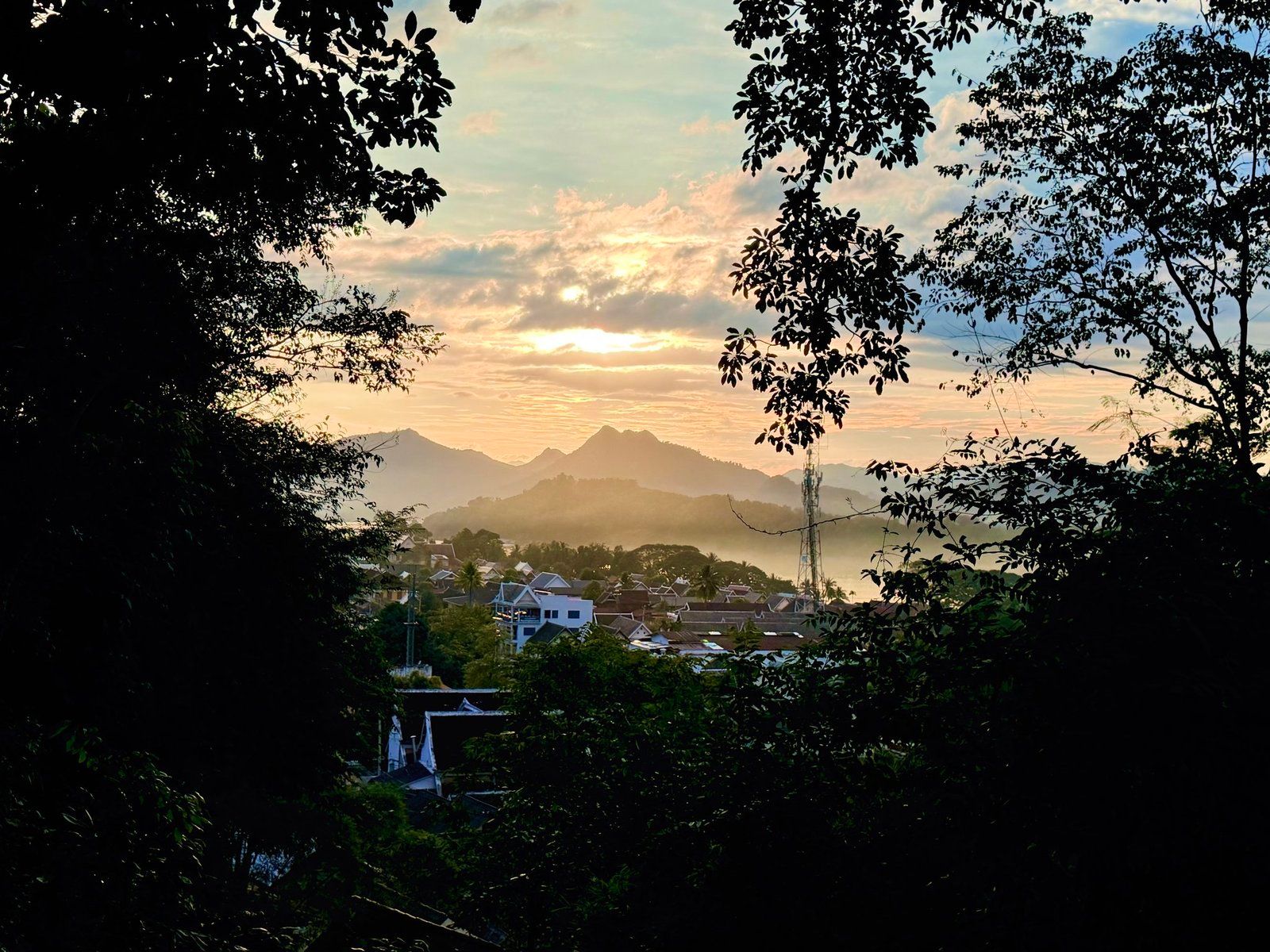
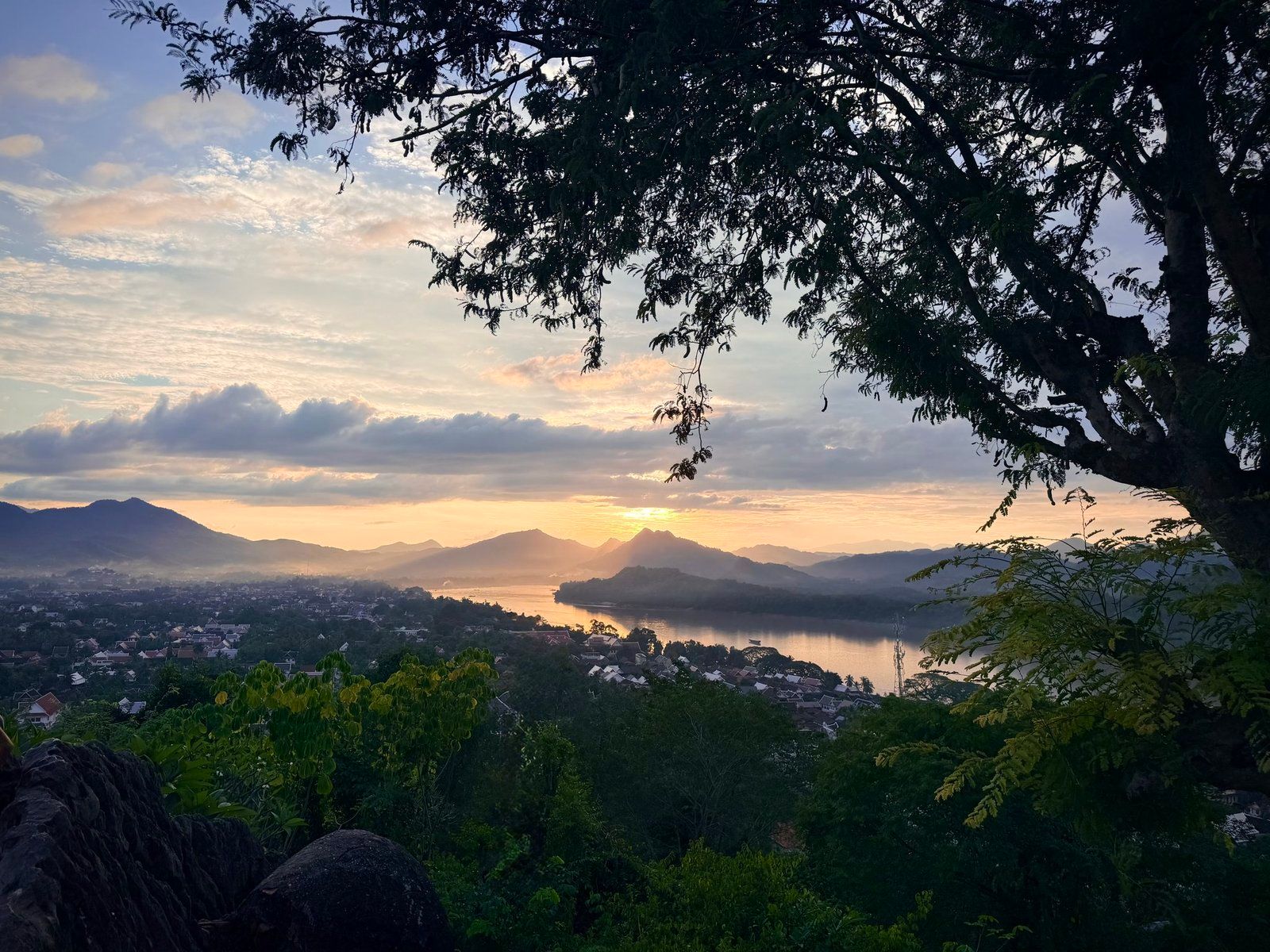
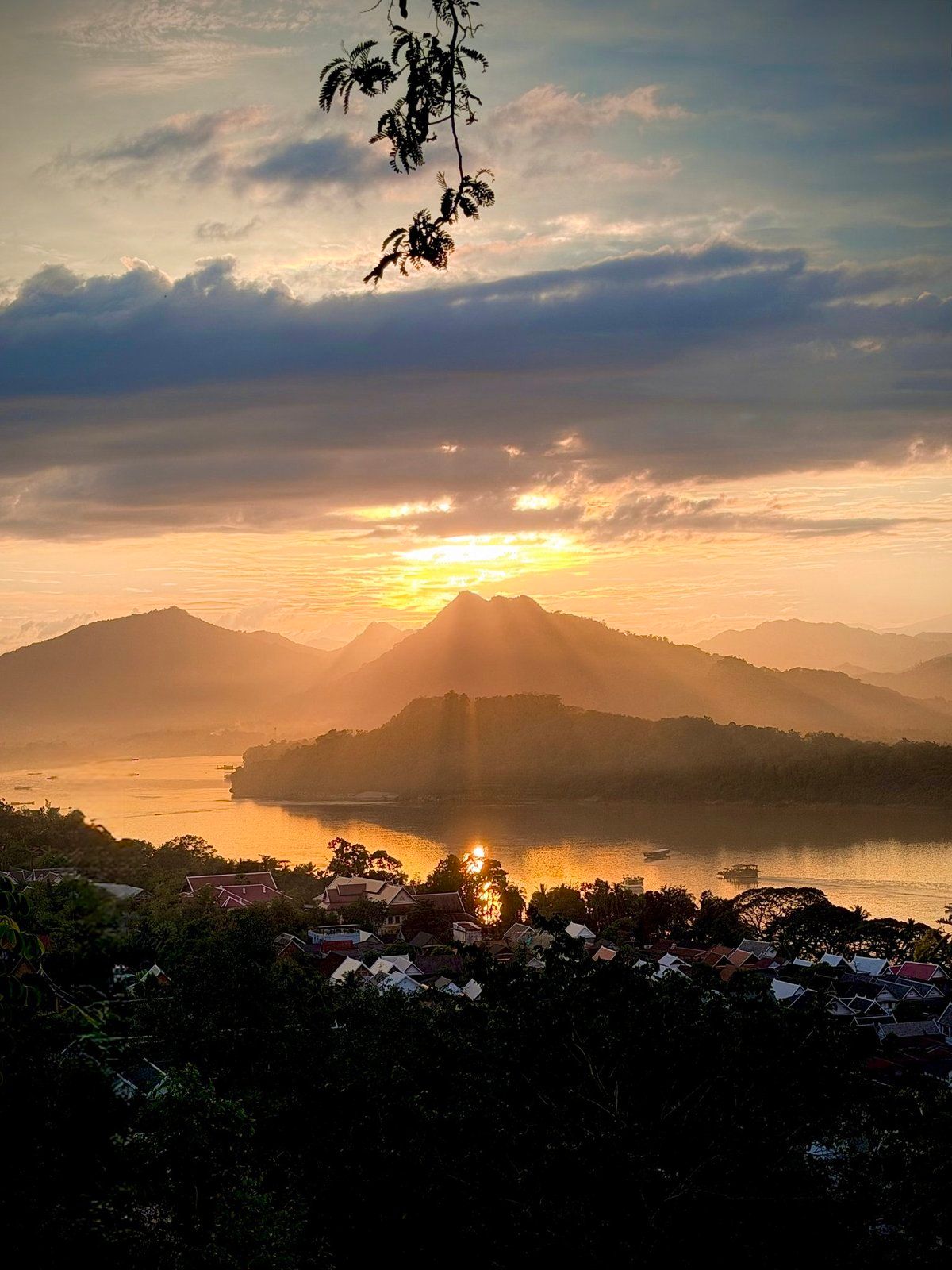
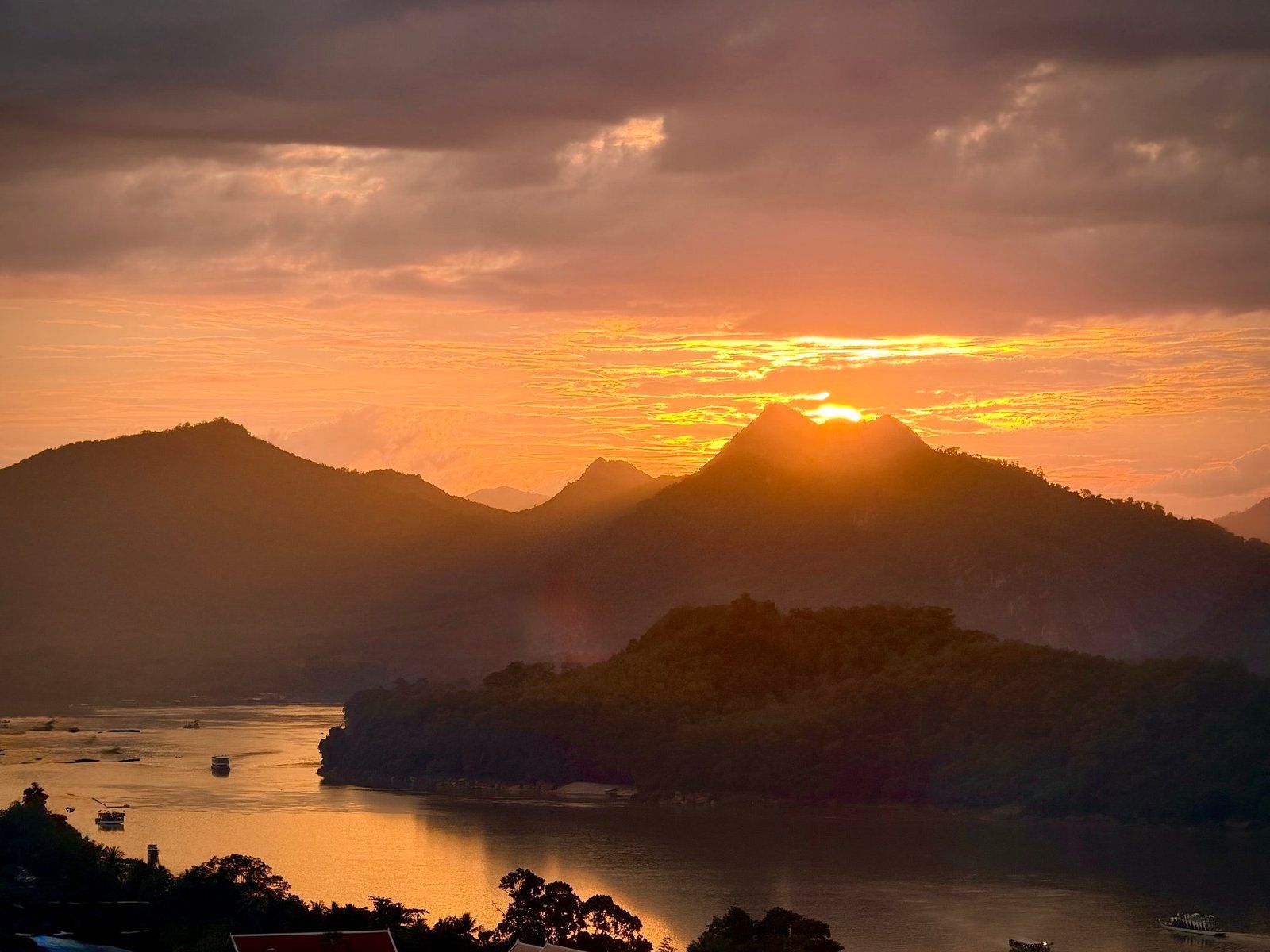
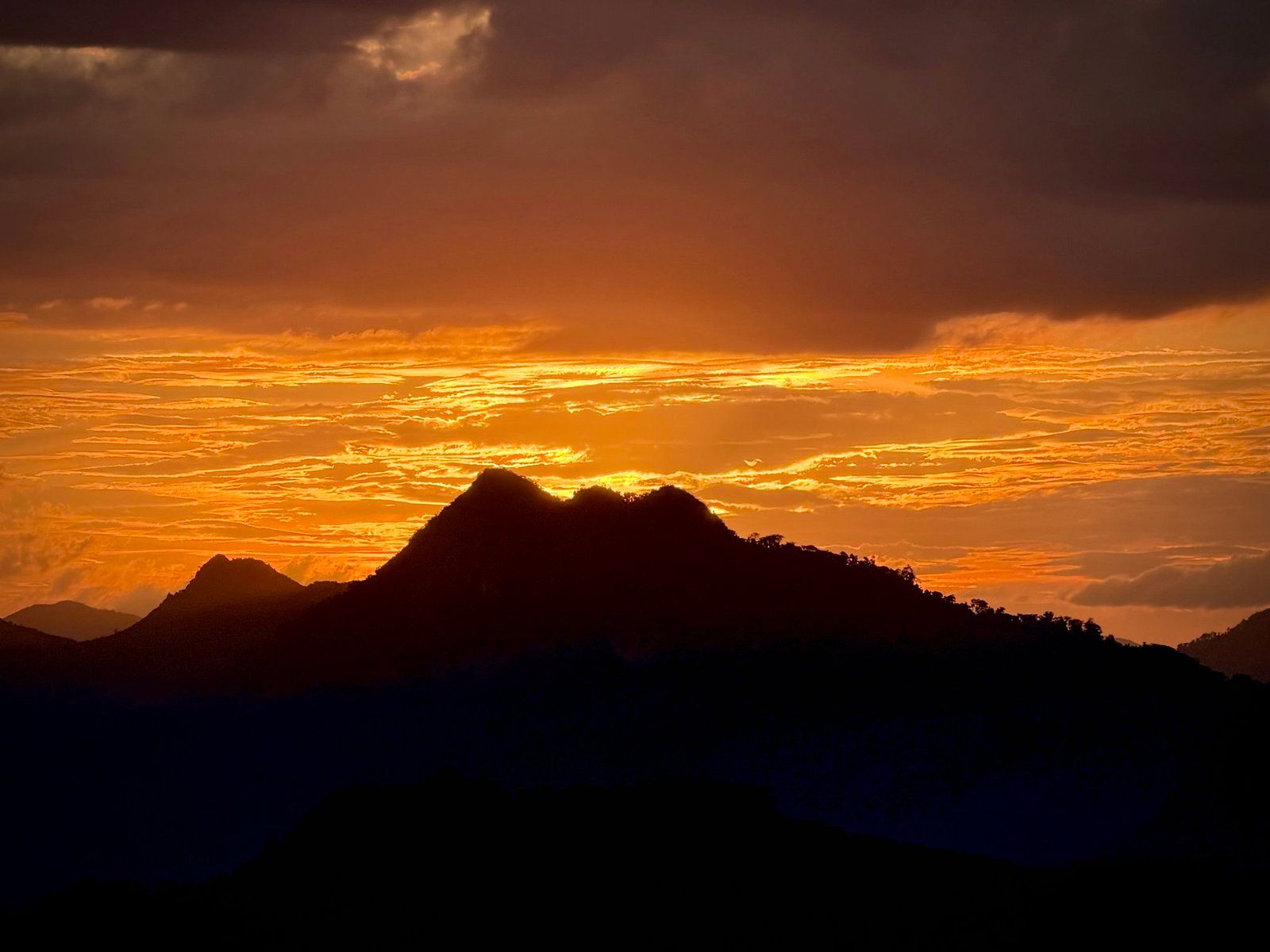
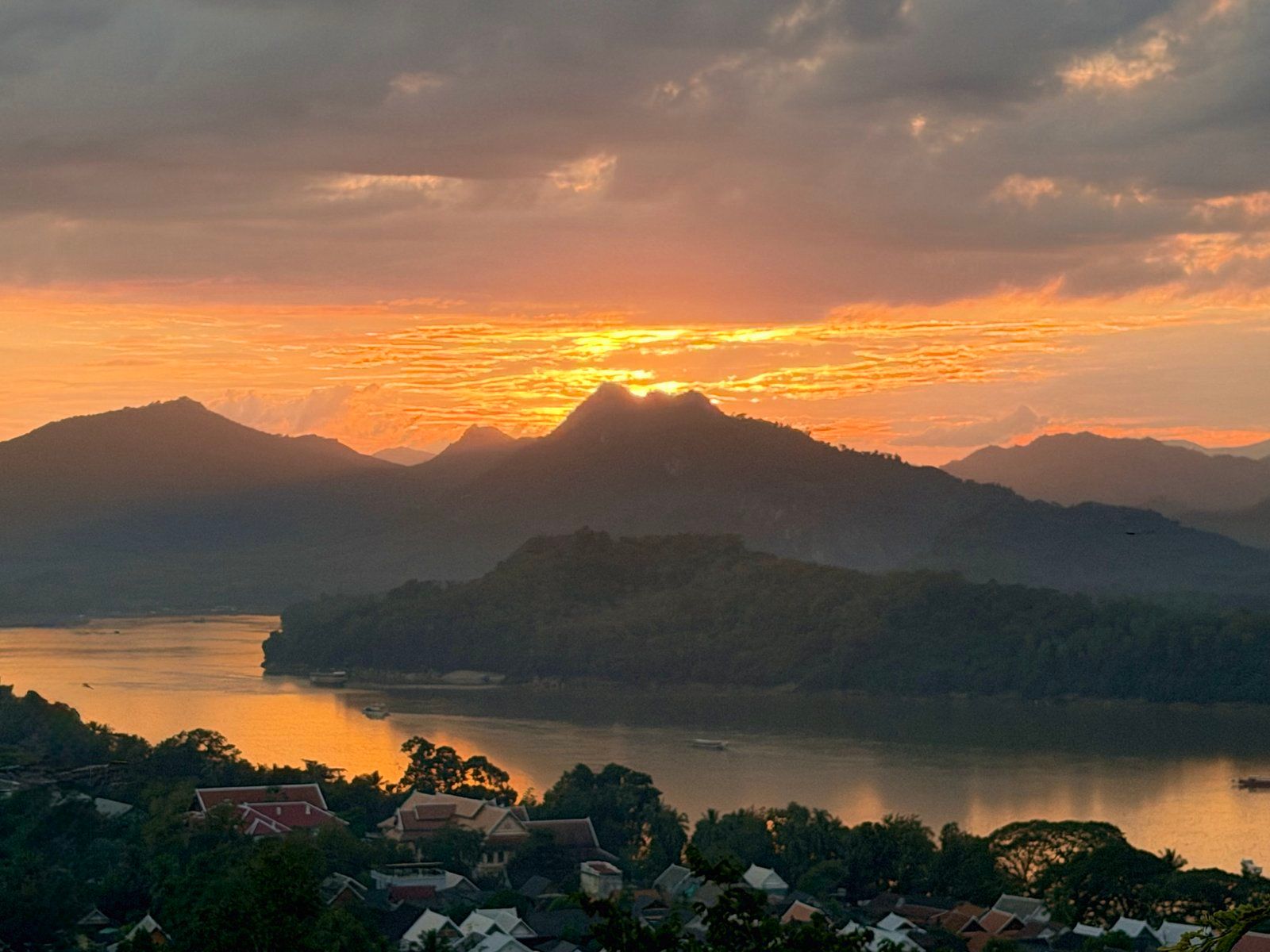
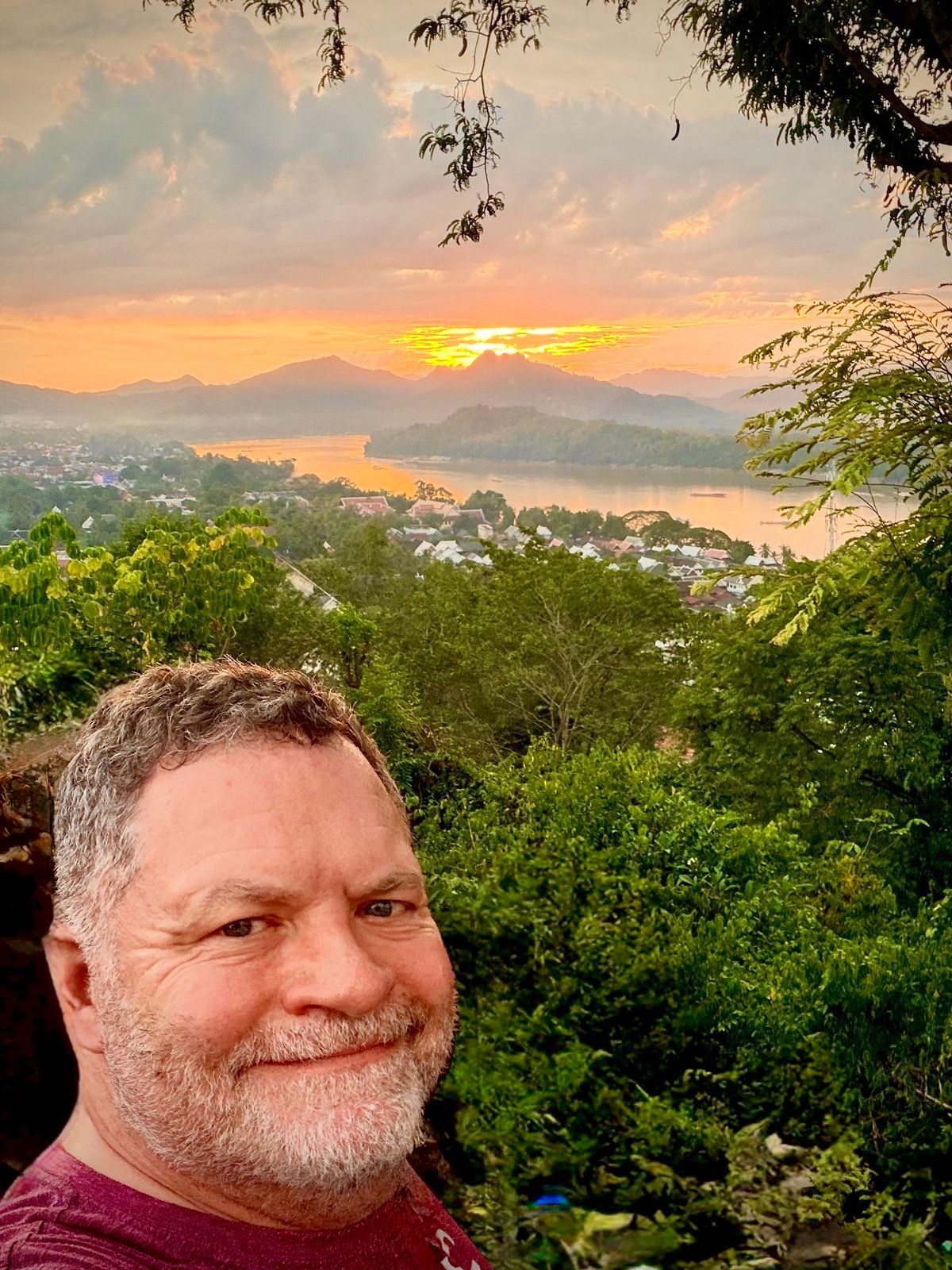
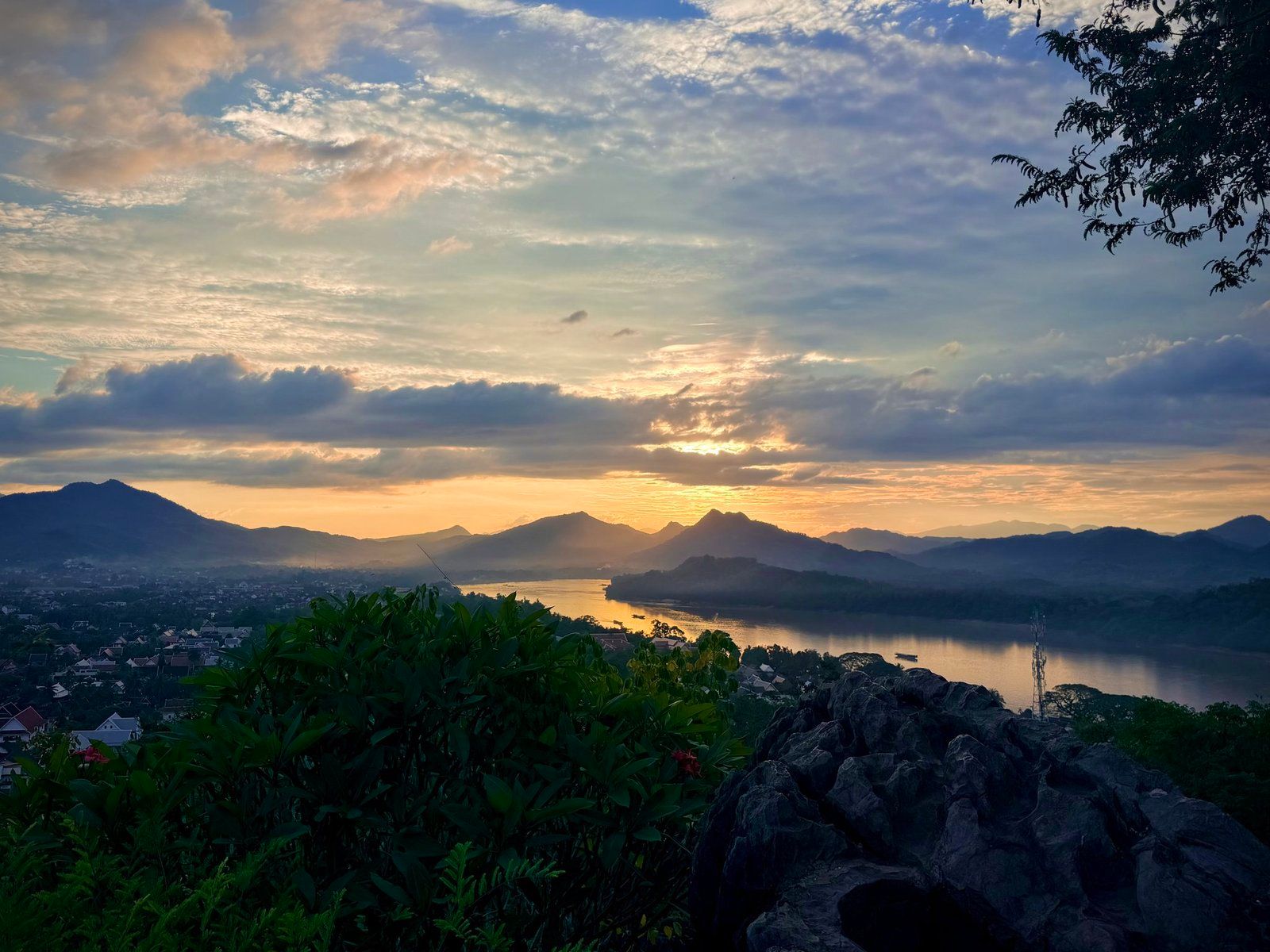
Sunset from Mount Phousi
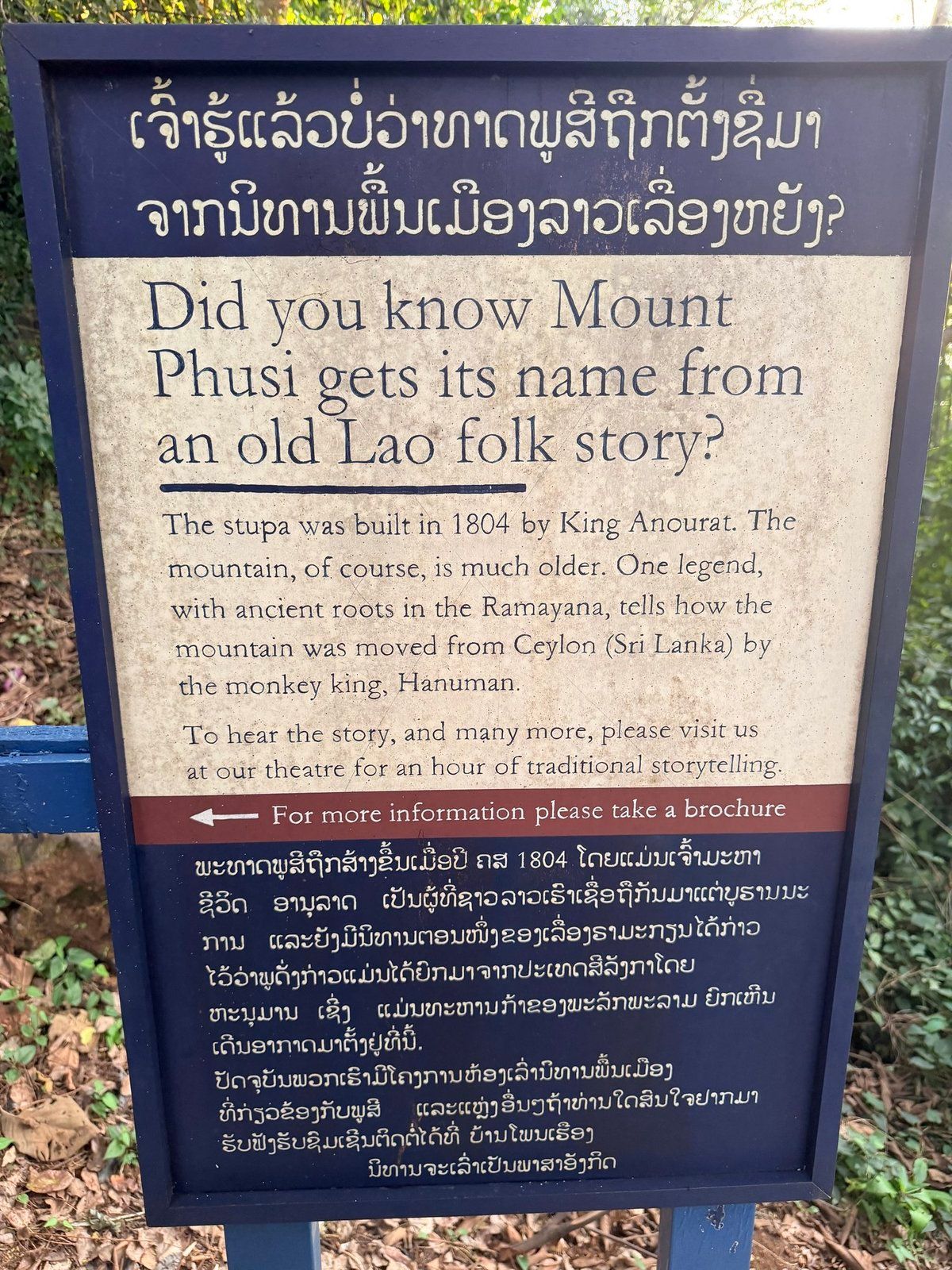
Mount Phousi rises in the middle of town, with a stupa on top built in 1804. A few hundred steps lead to the summit, and from there the sun sets over the Mekong and the hills beyond.
An evening in town
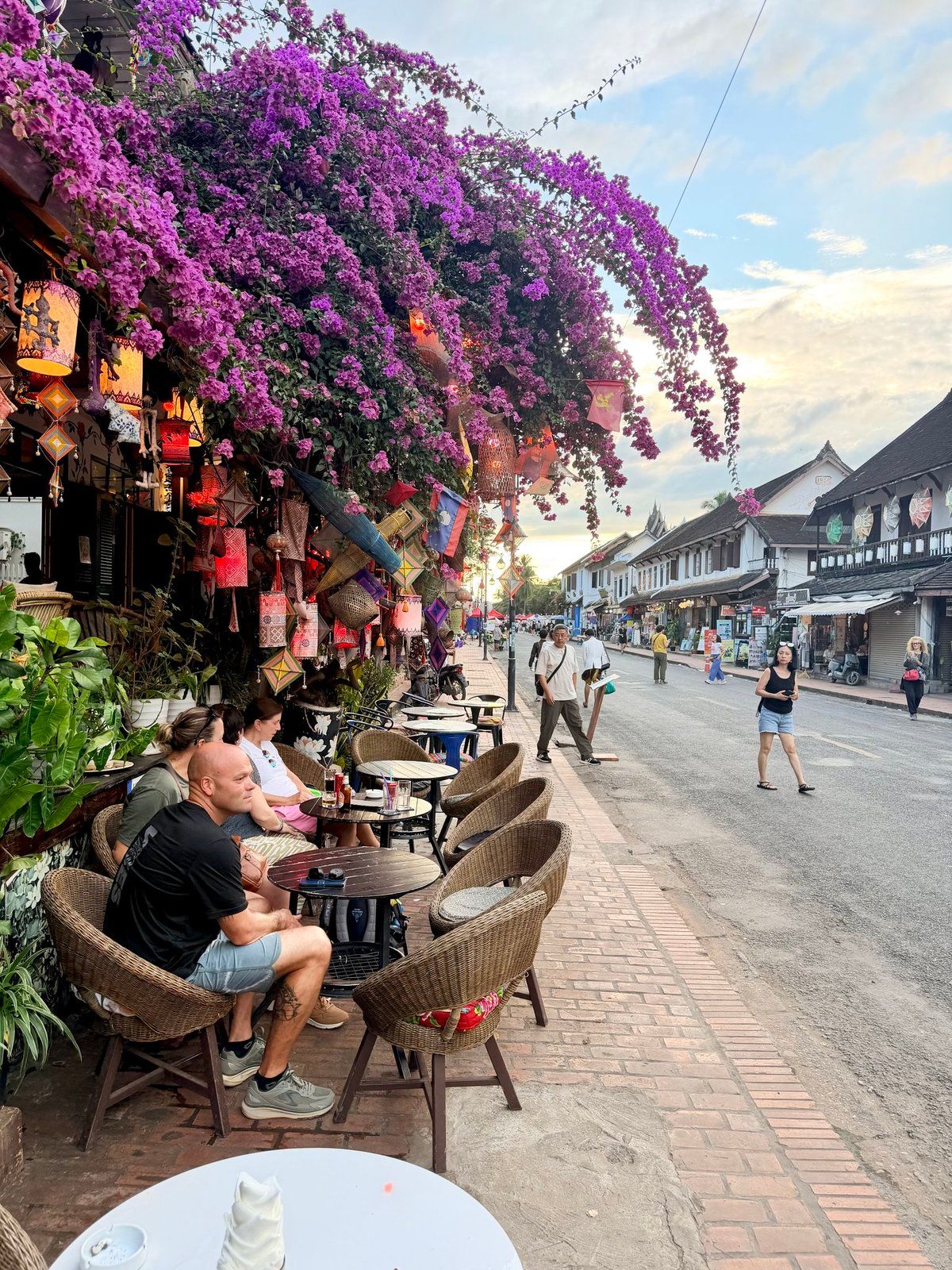
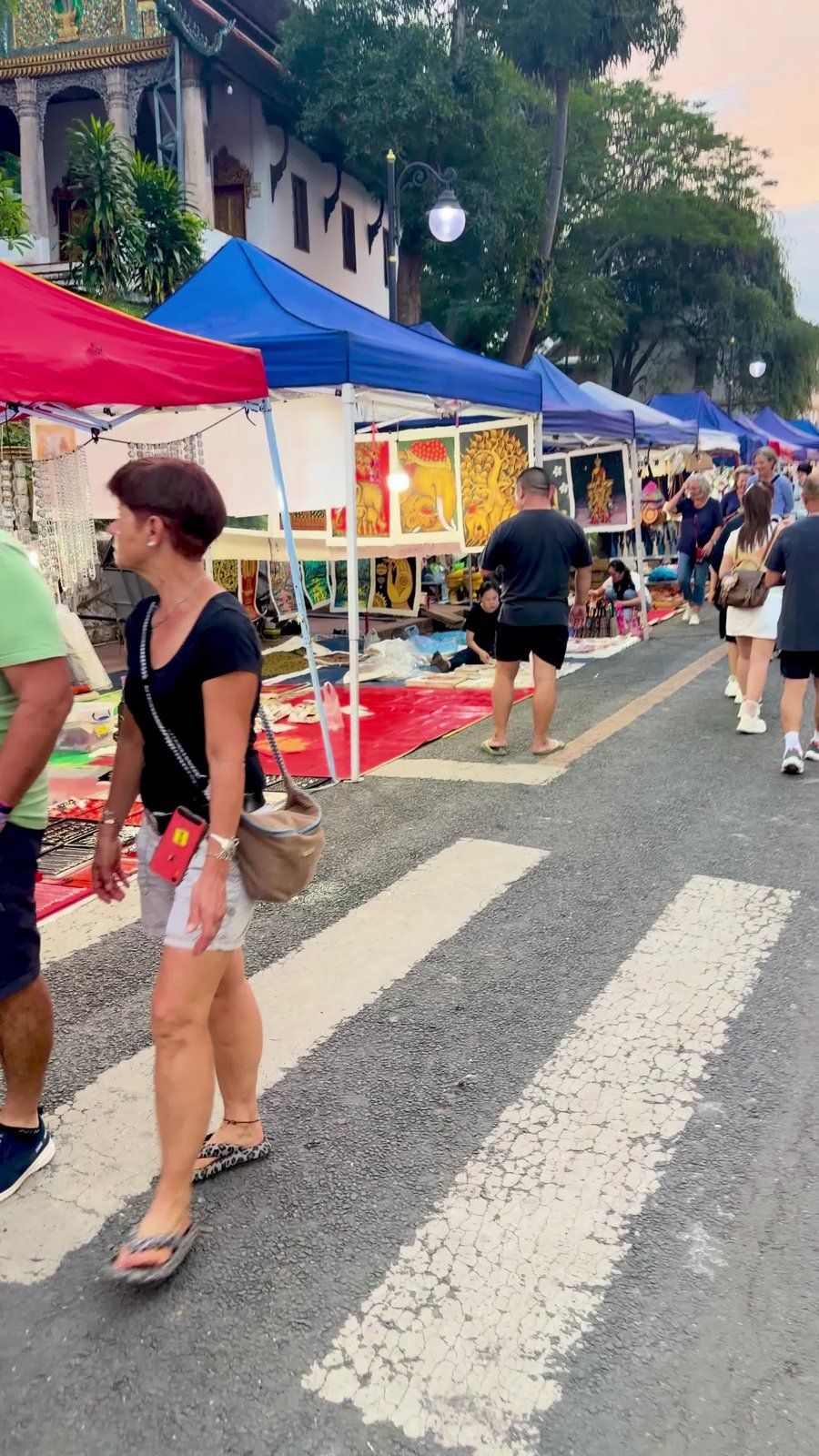
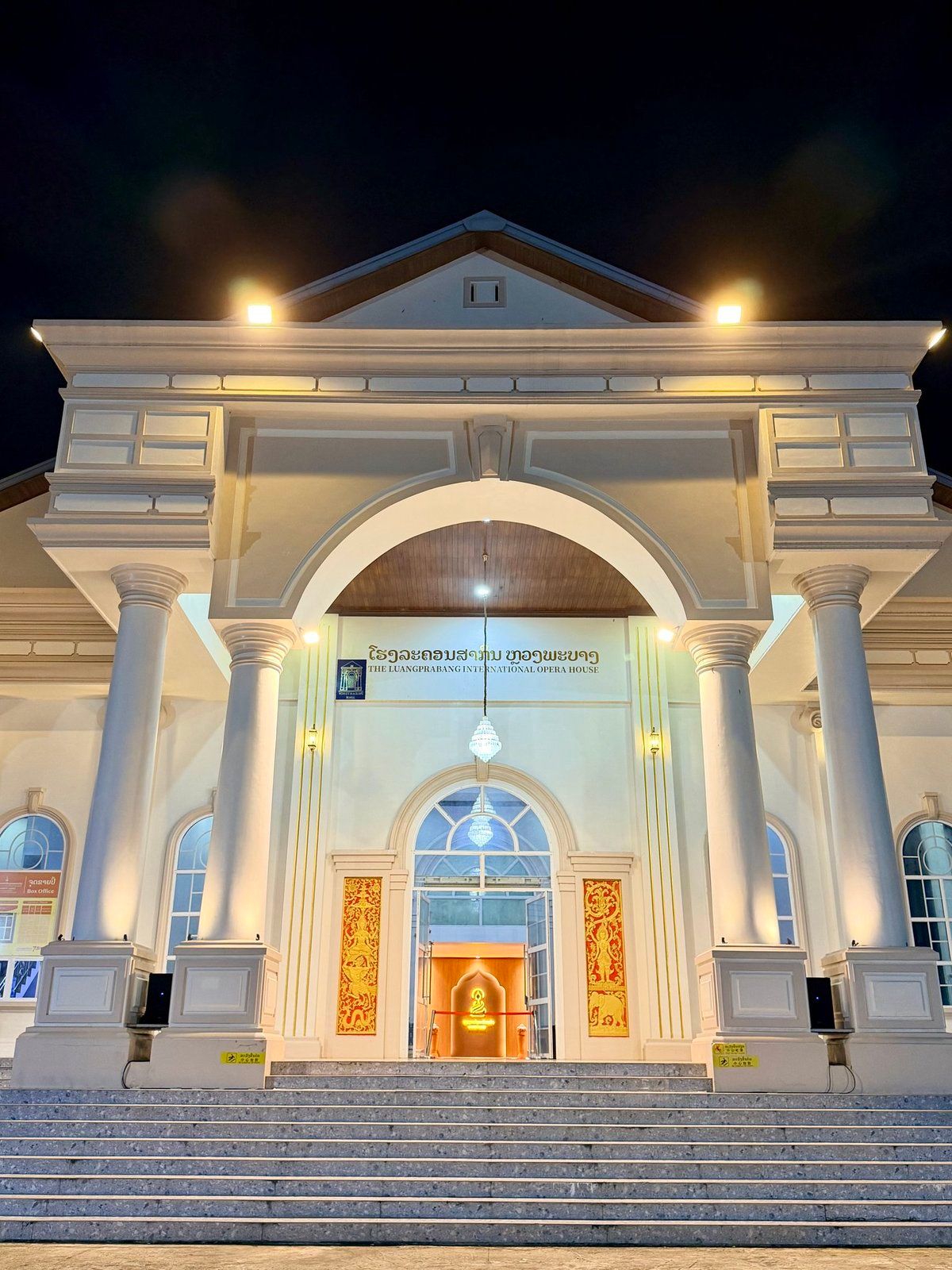
After sunset on 19 November I walked down from Mount Phousi through the night market and on to the Luang Prabang International Opera House for an evening of traditional Lao dance.
Kuang Si Falls
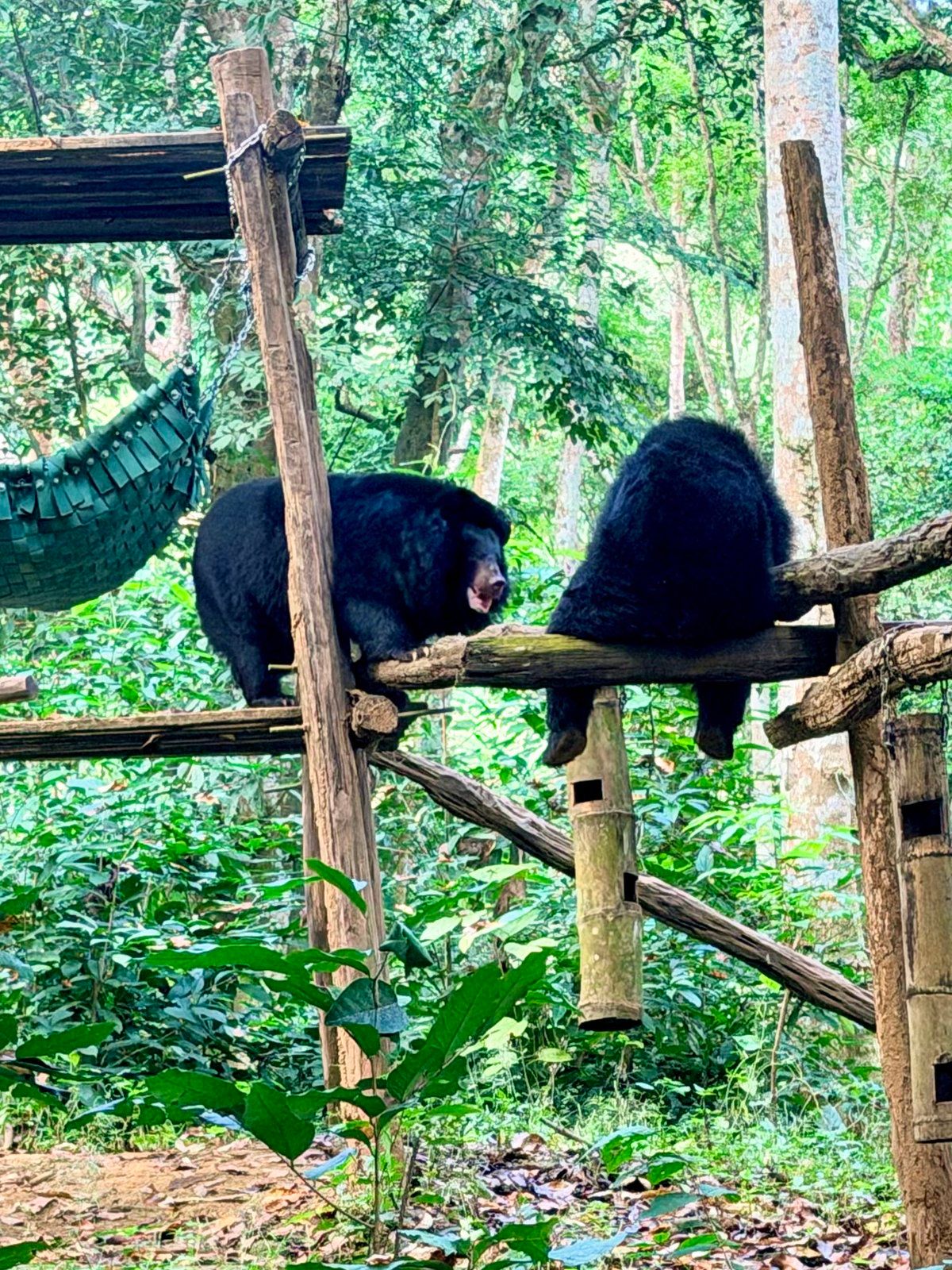
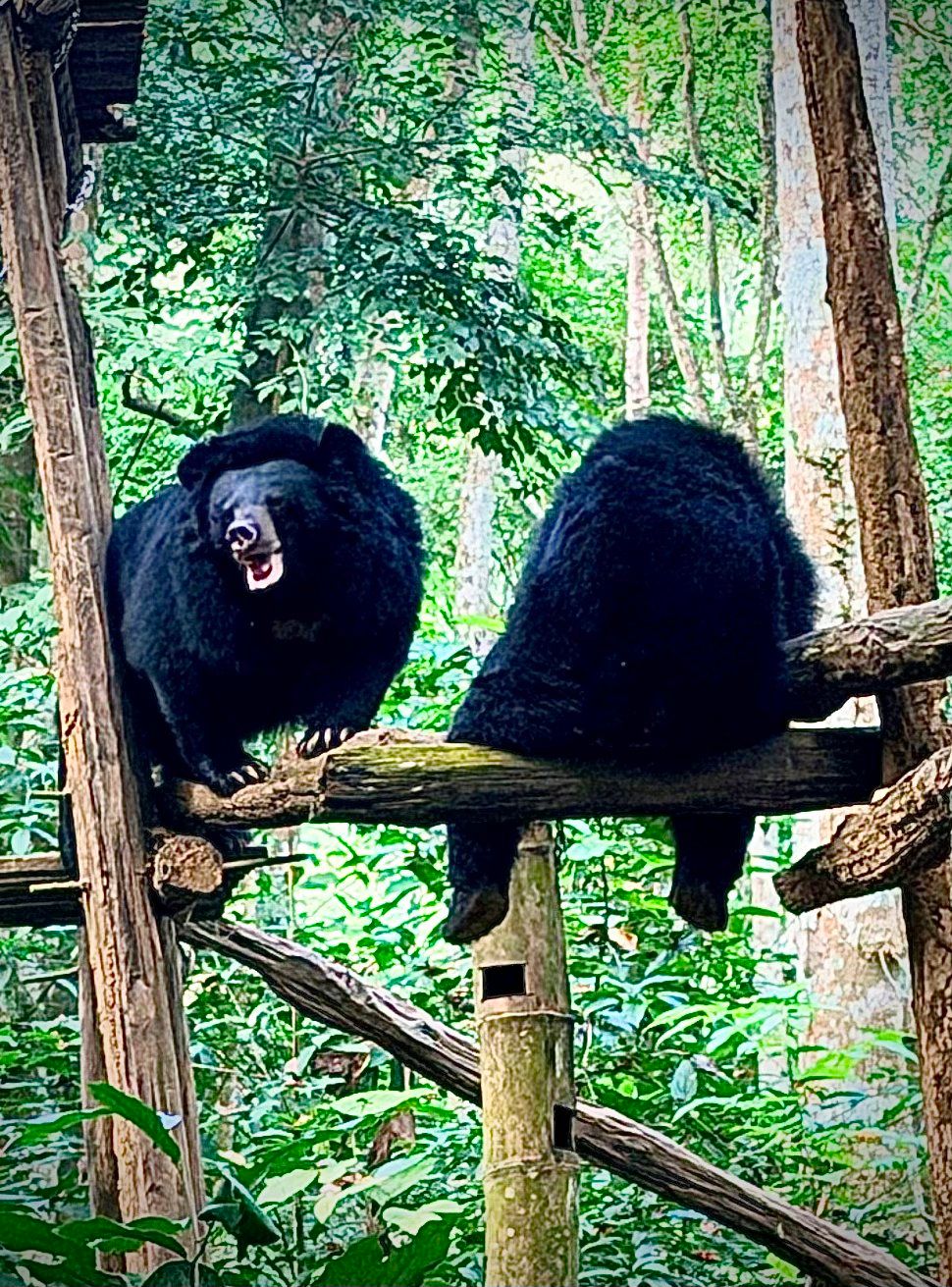
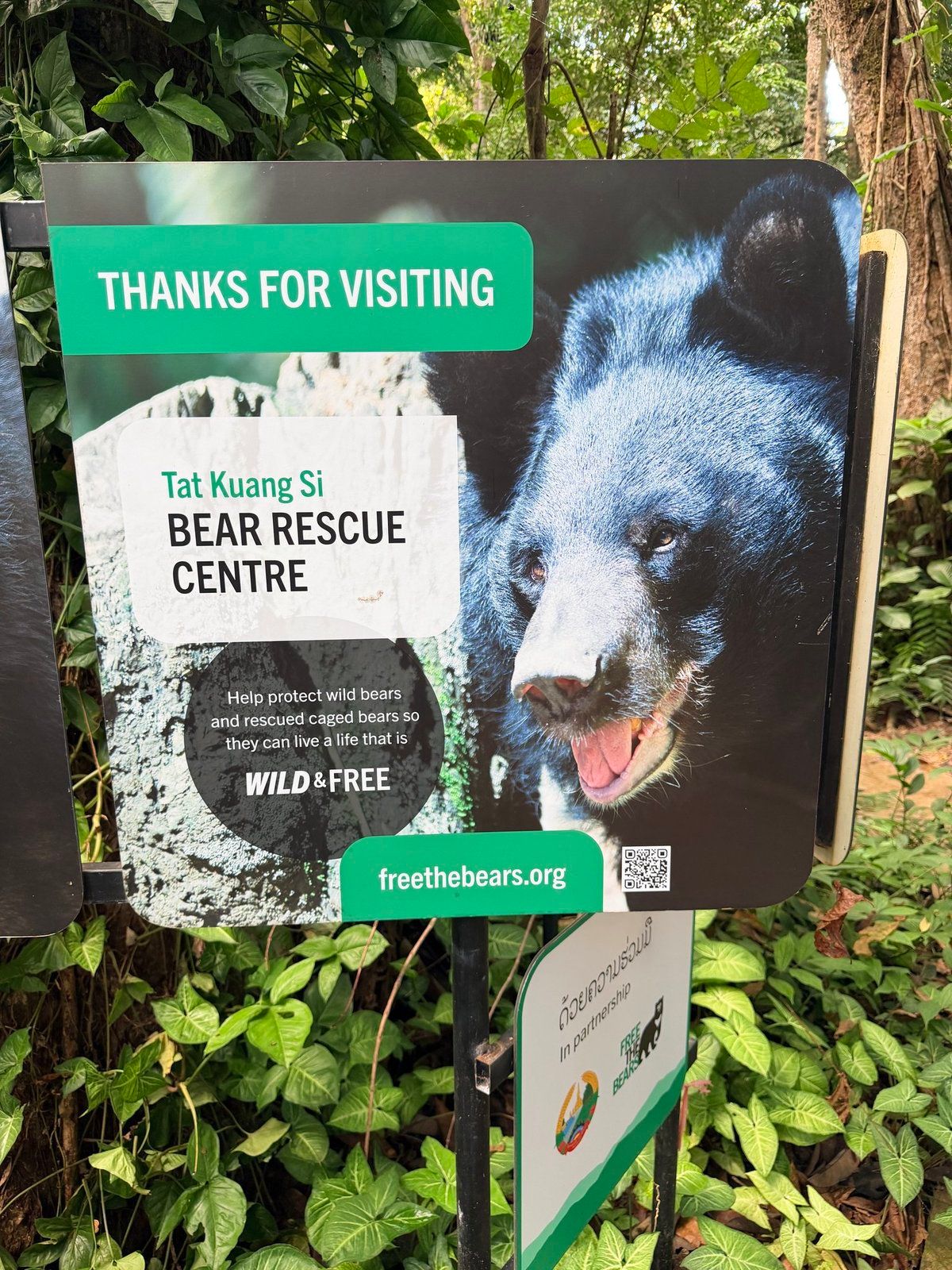
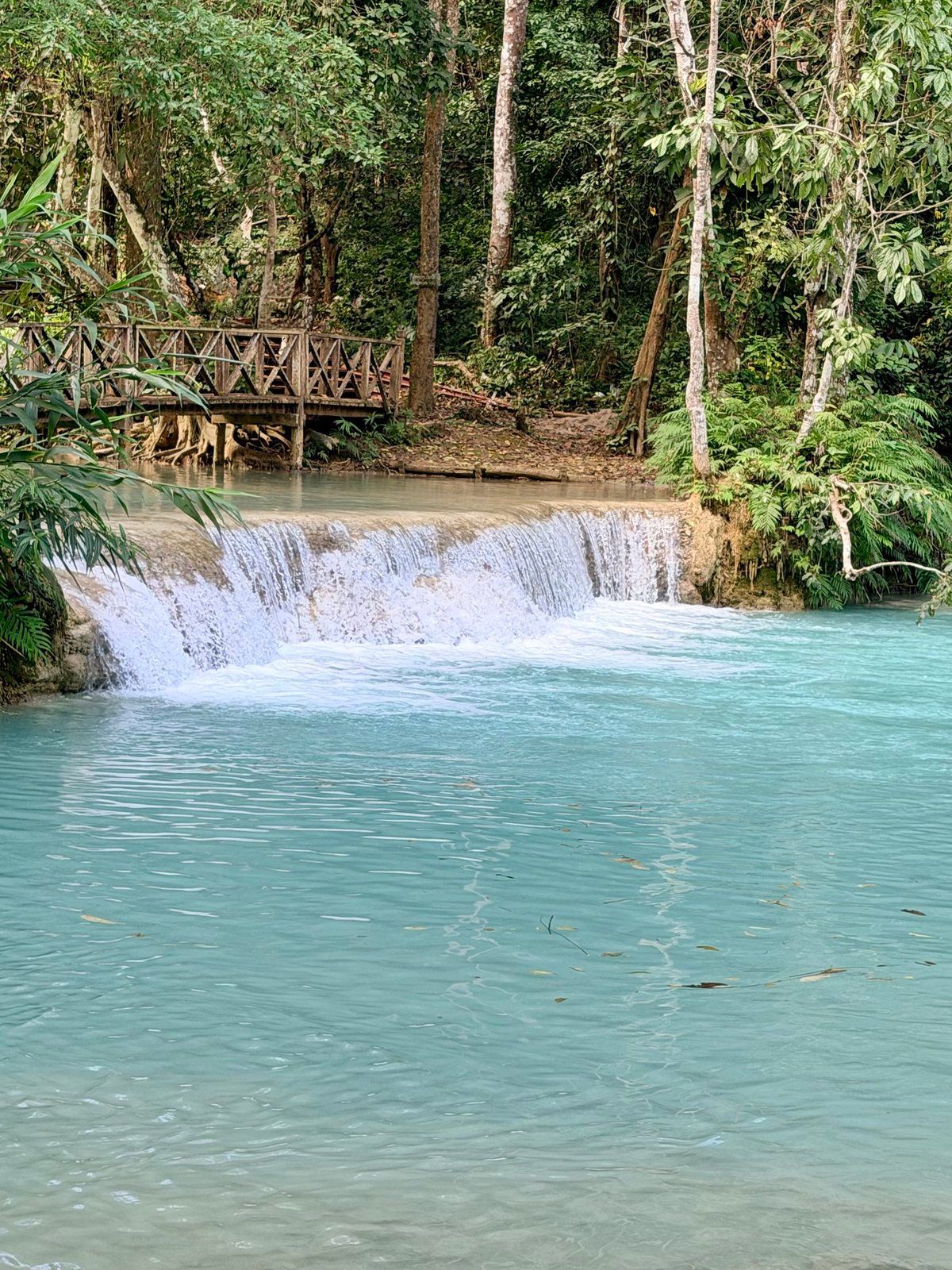
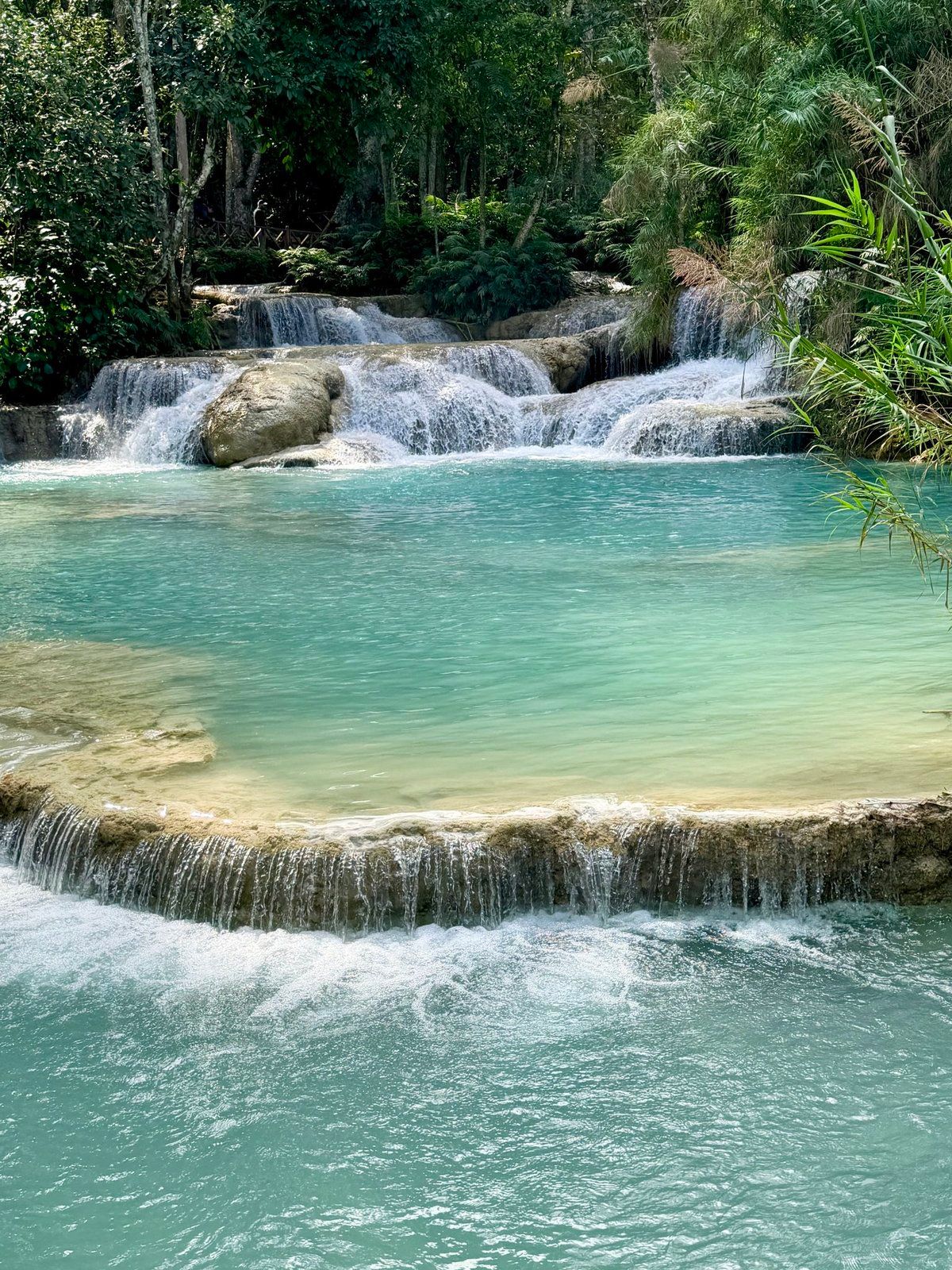
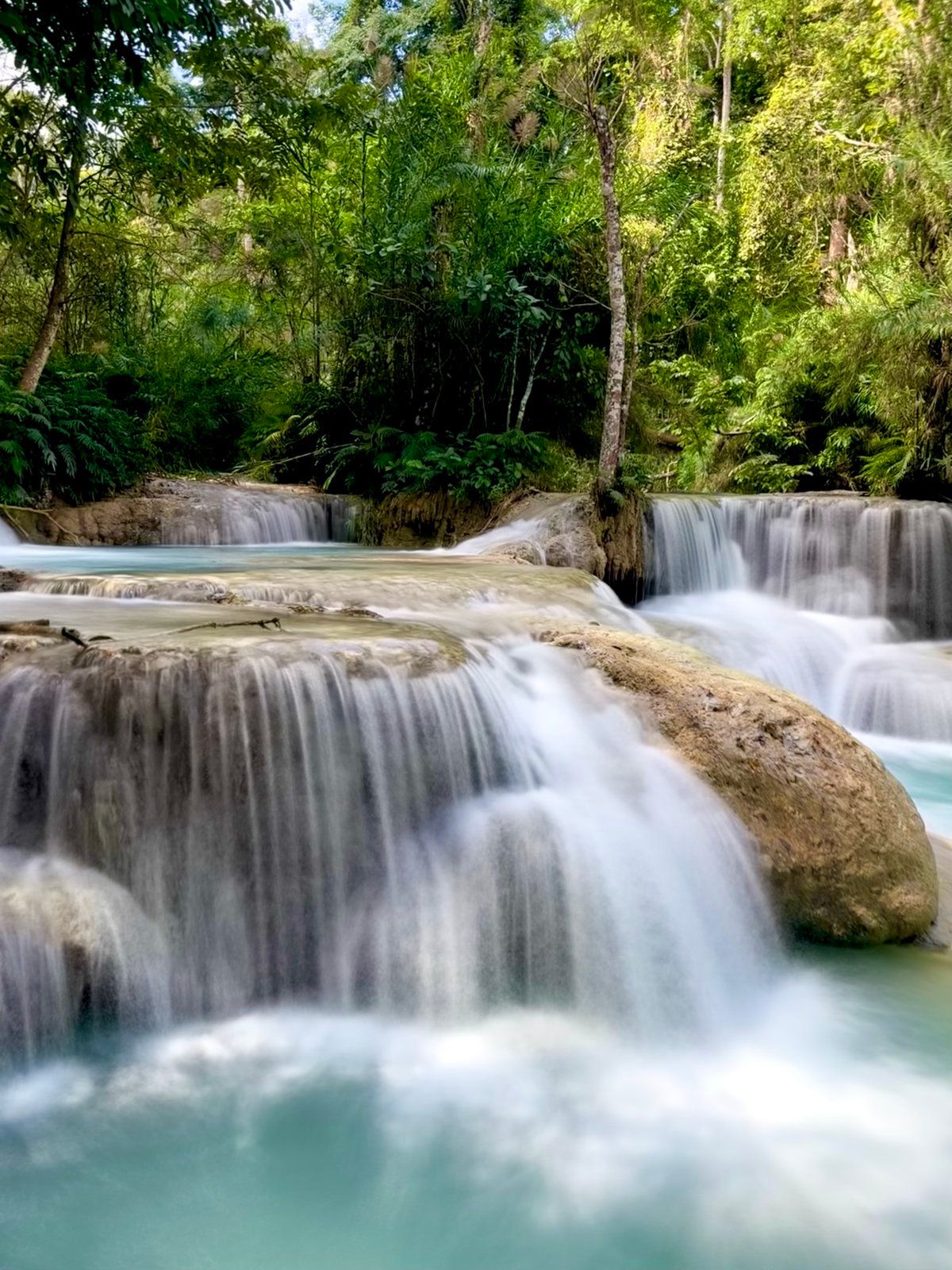
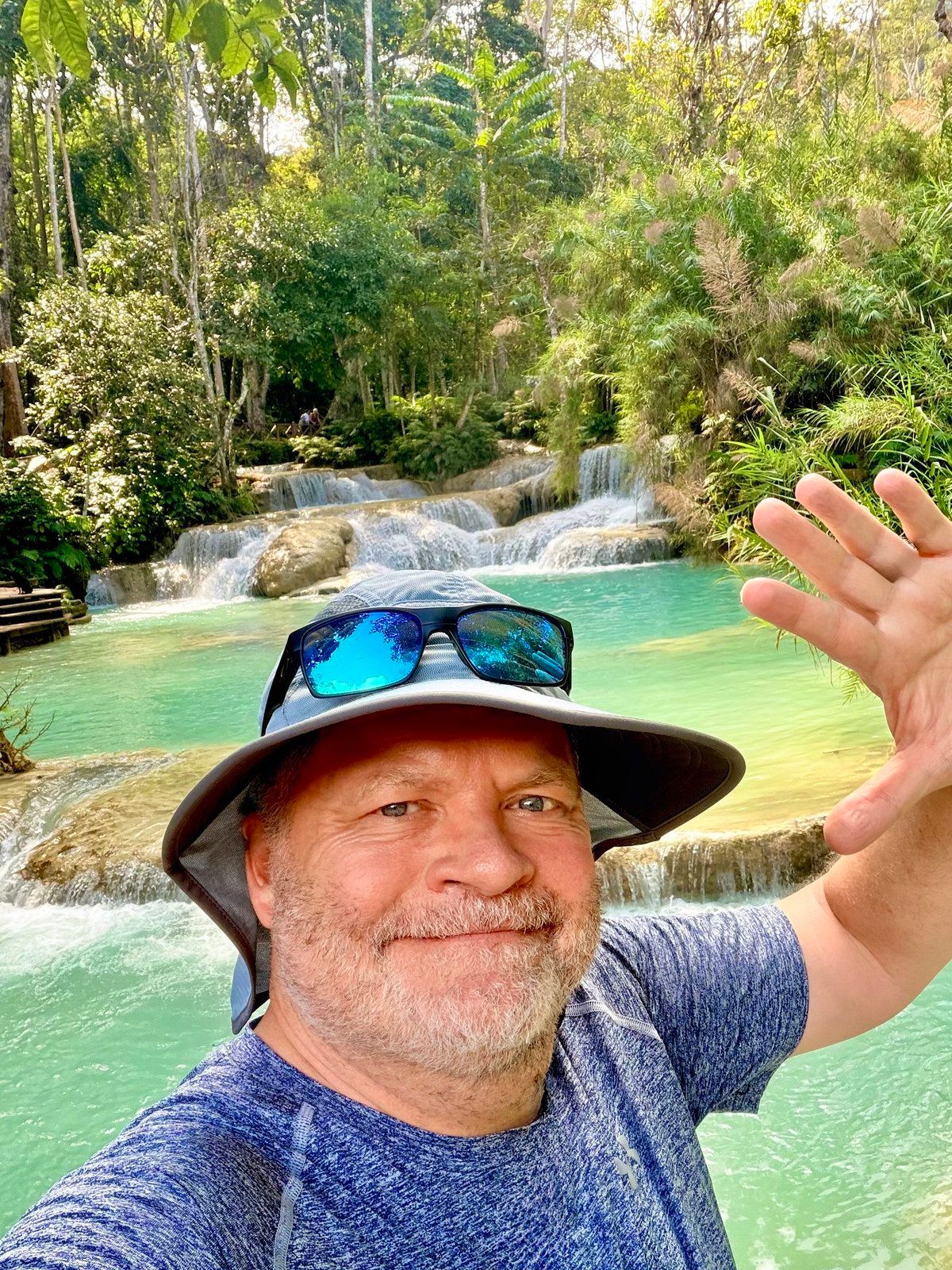
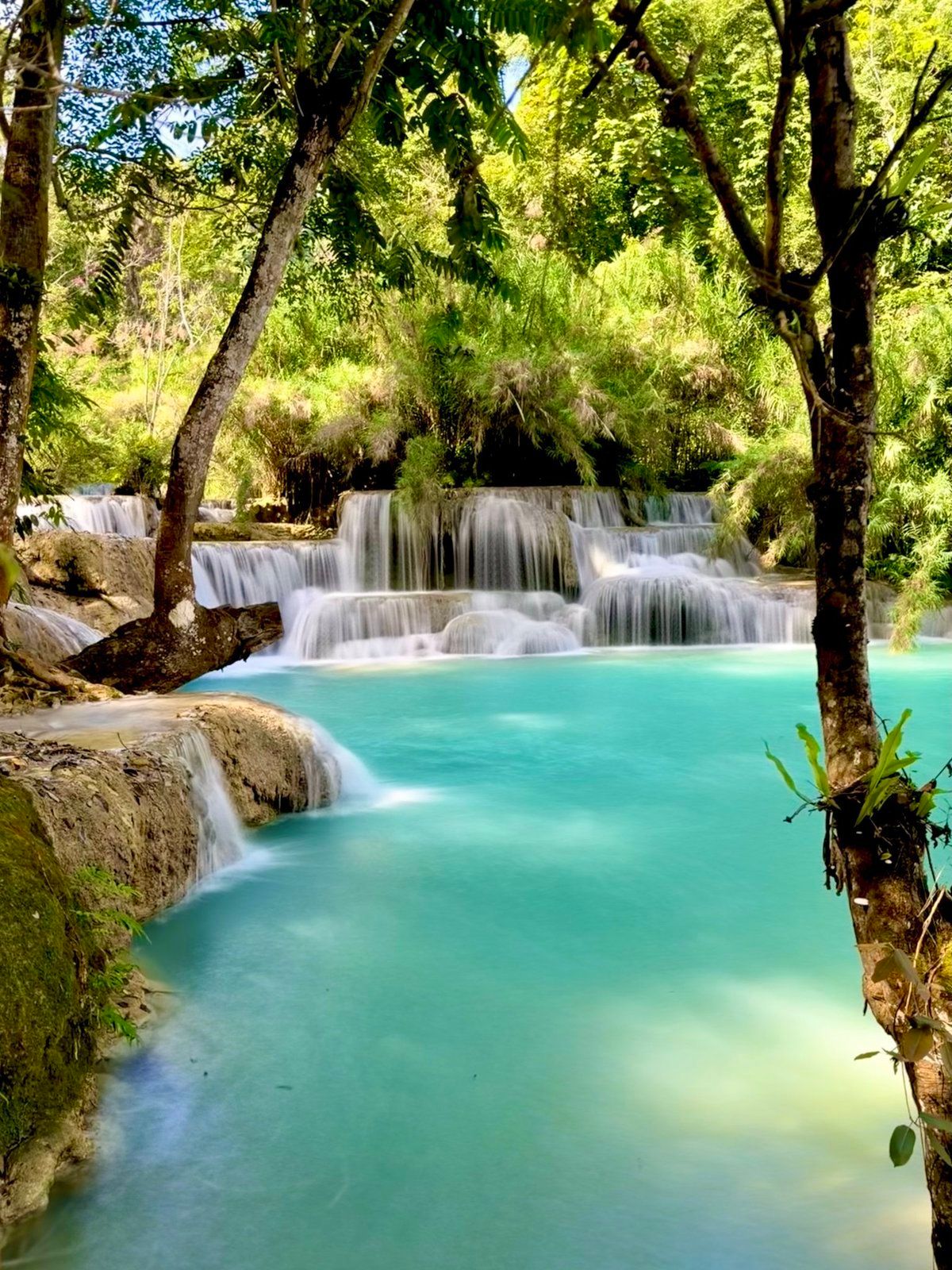
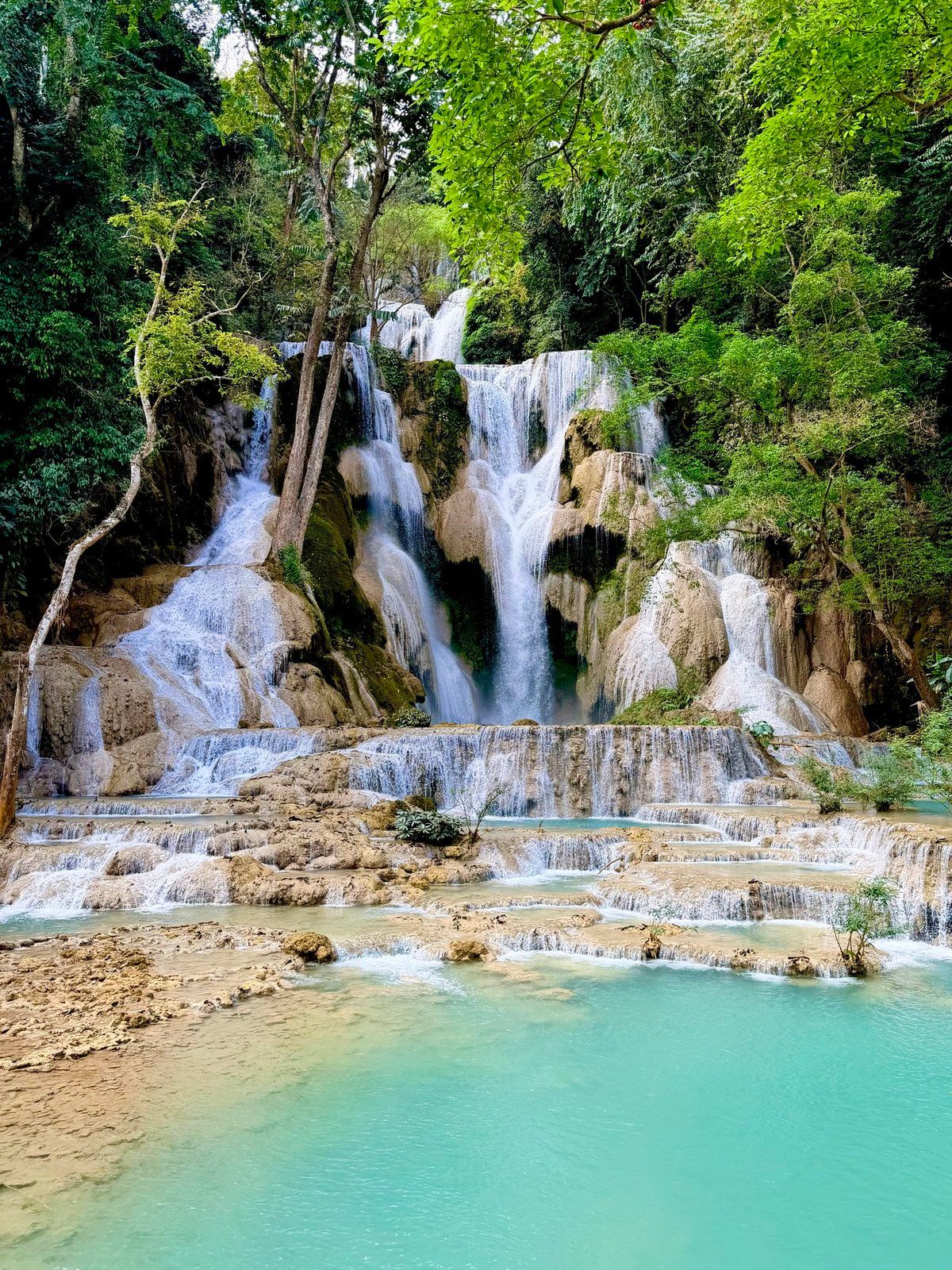
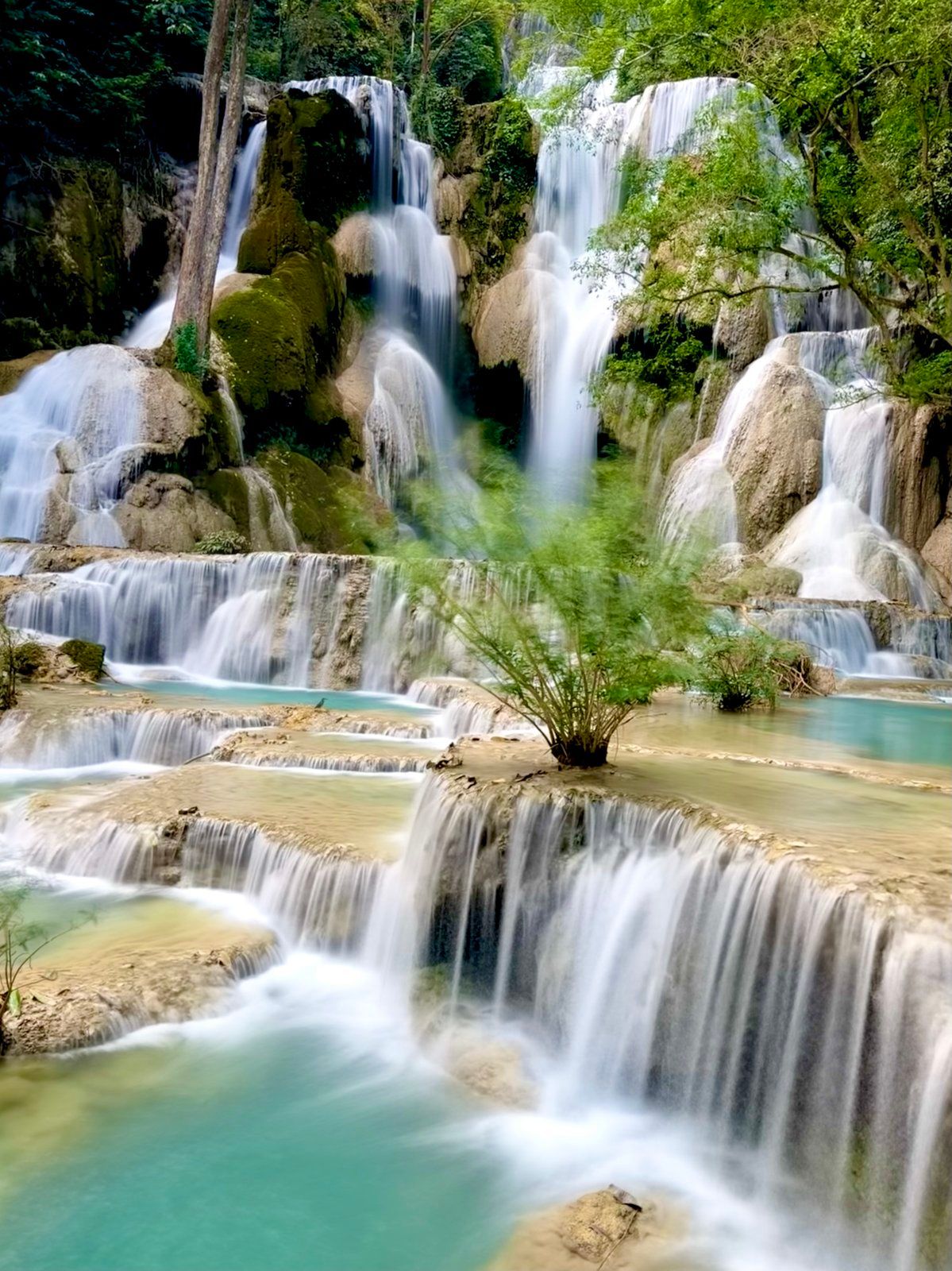
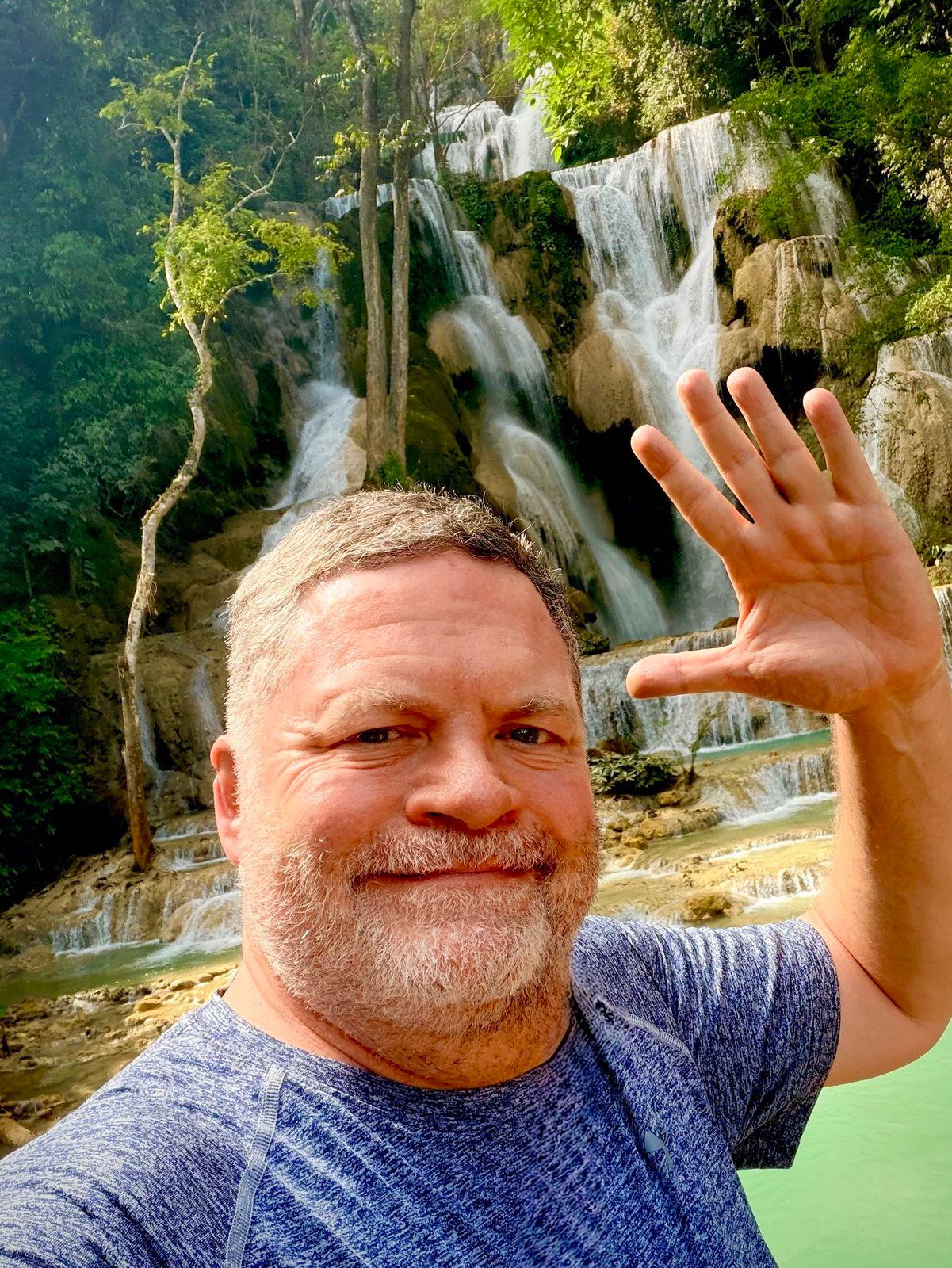
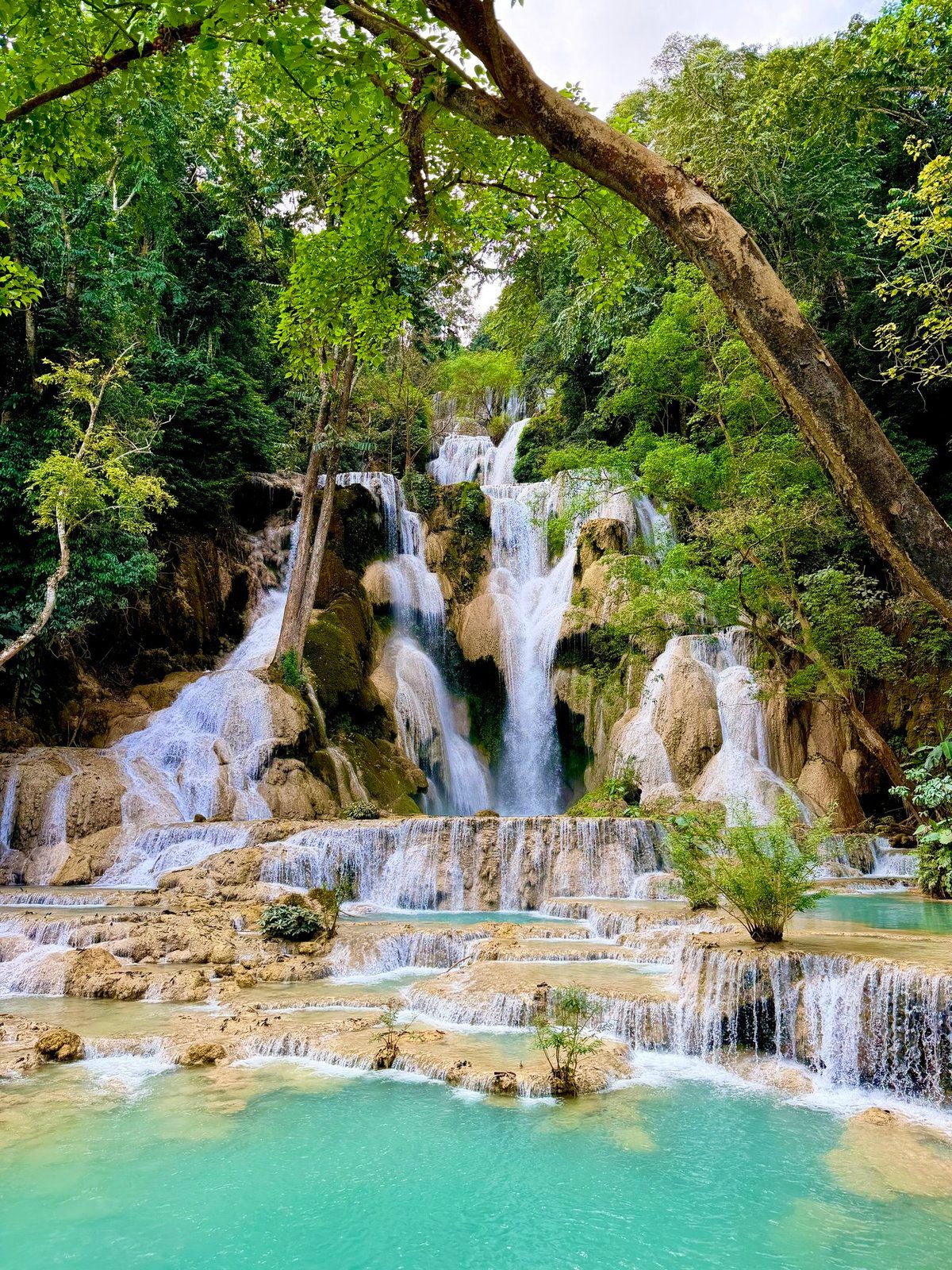
About 30 km south of Luang Prabang, the Kuang Si Falls tumble down a series of limestone terraces into turquoise pools. At the entrance, the Tat Kuang Si Bear Rescue Centre, run by Free the Bears, cares for Asiatic black bears rescued from poachers and the bile trade.
Evenings on the Mekong
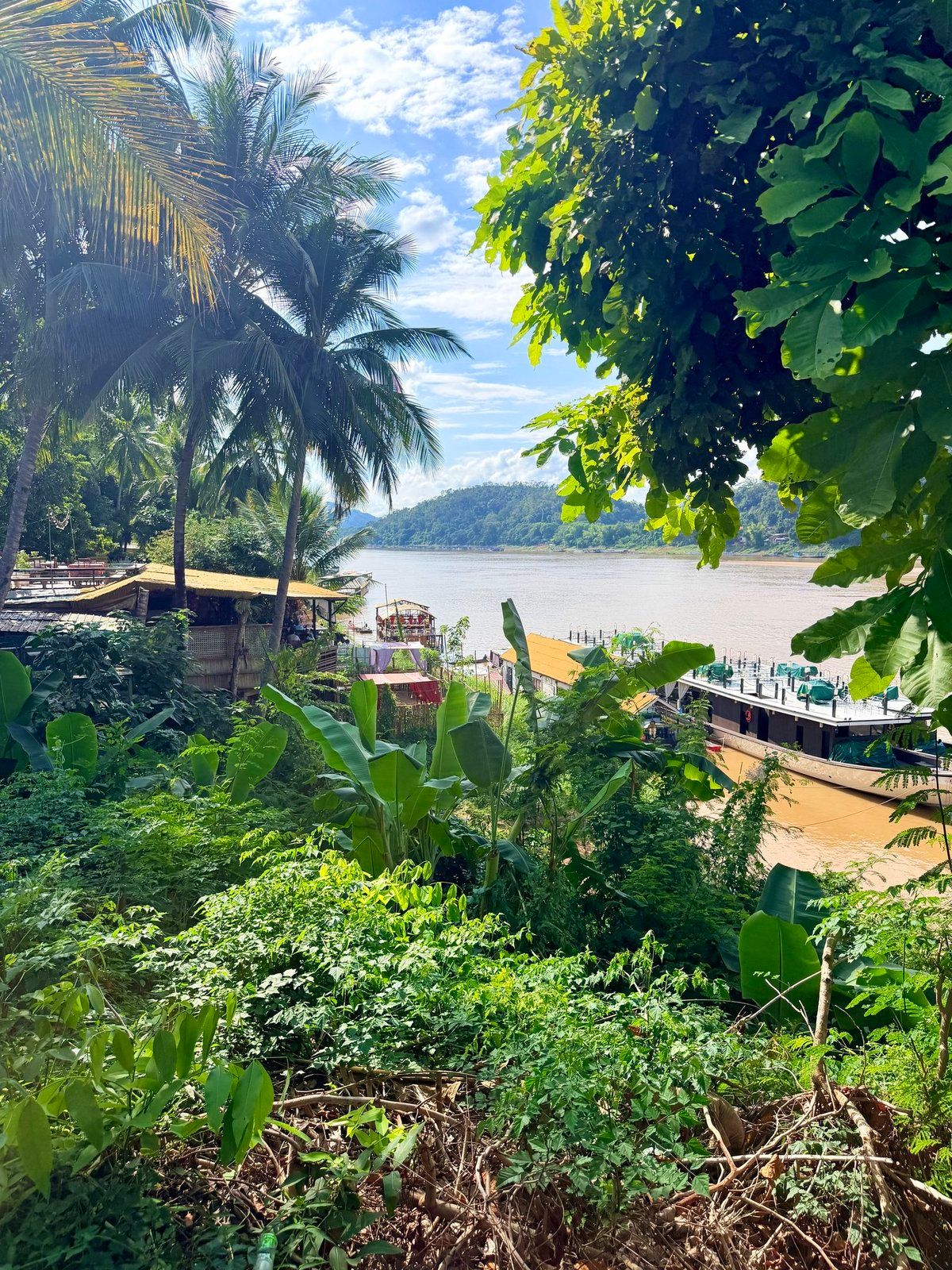
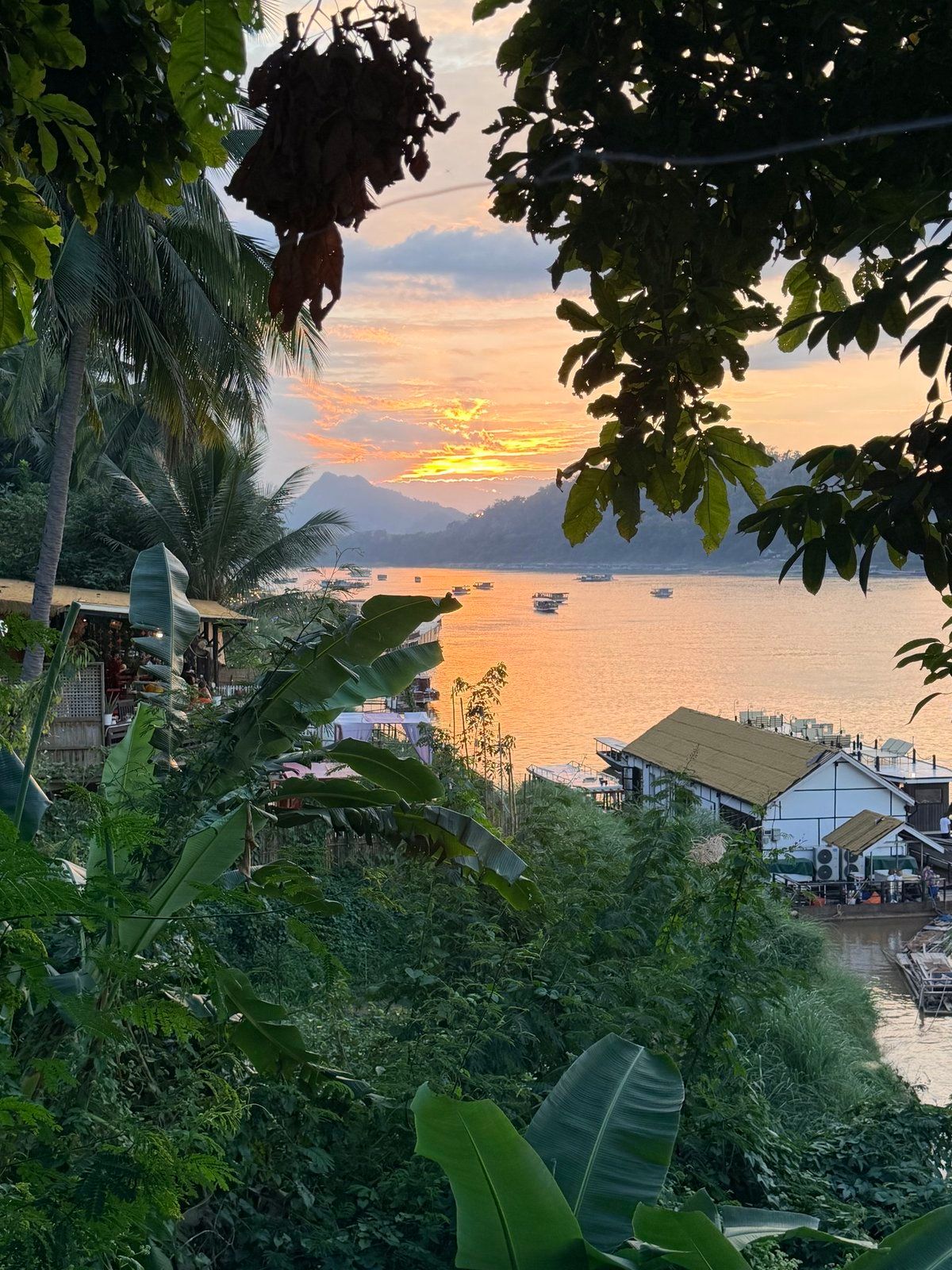
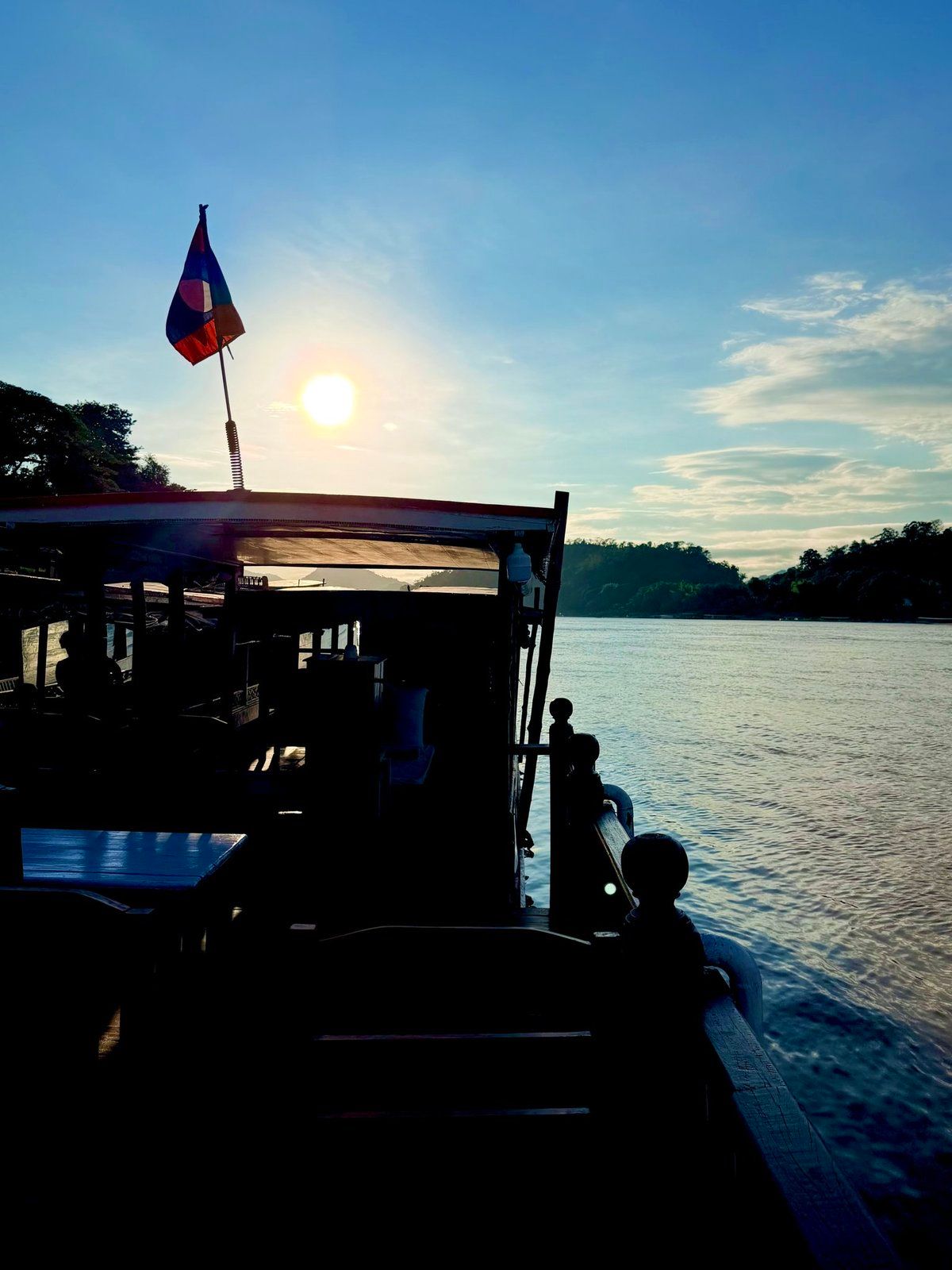
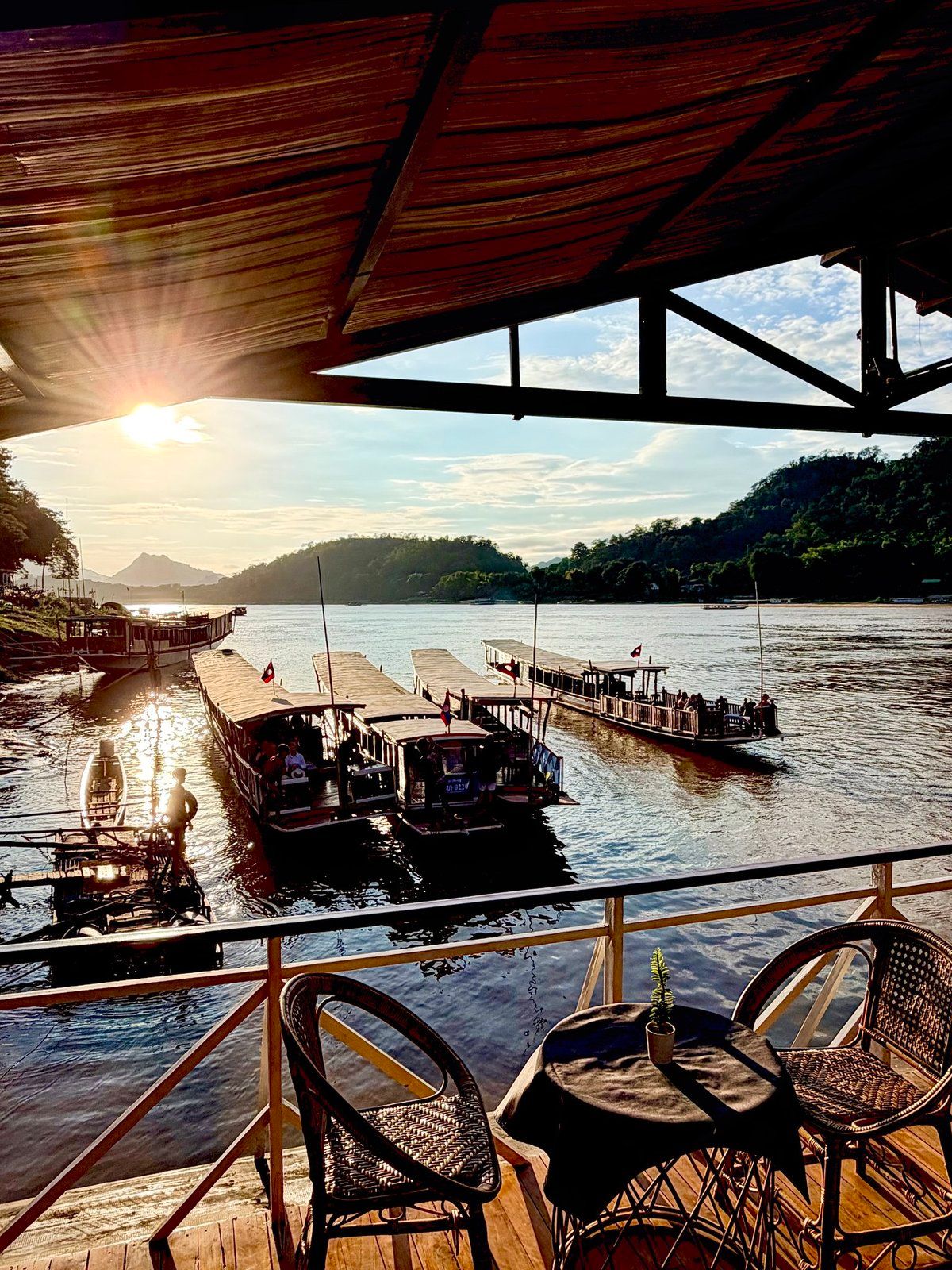
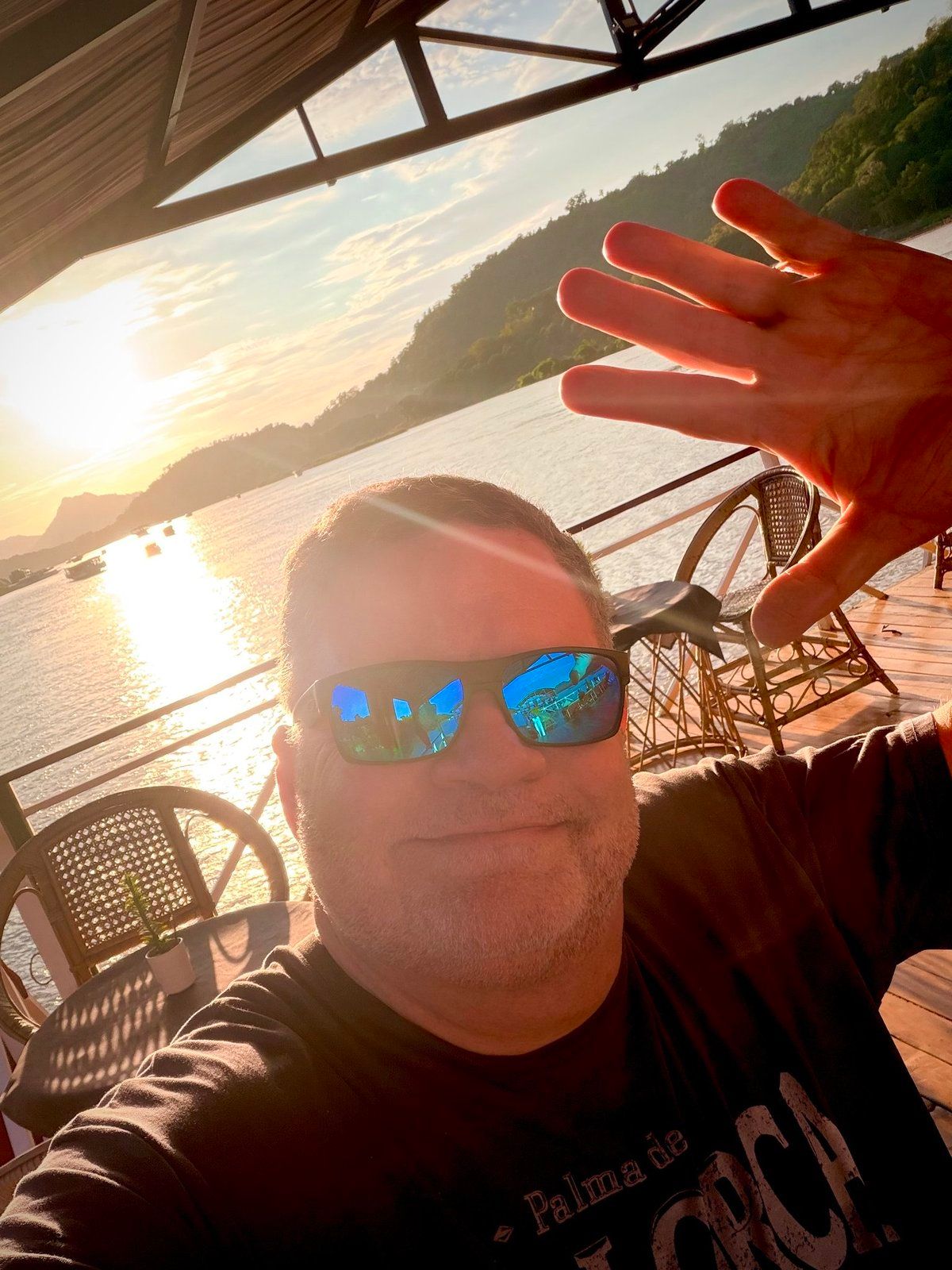
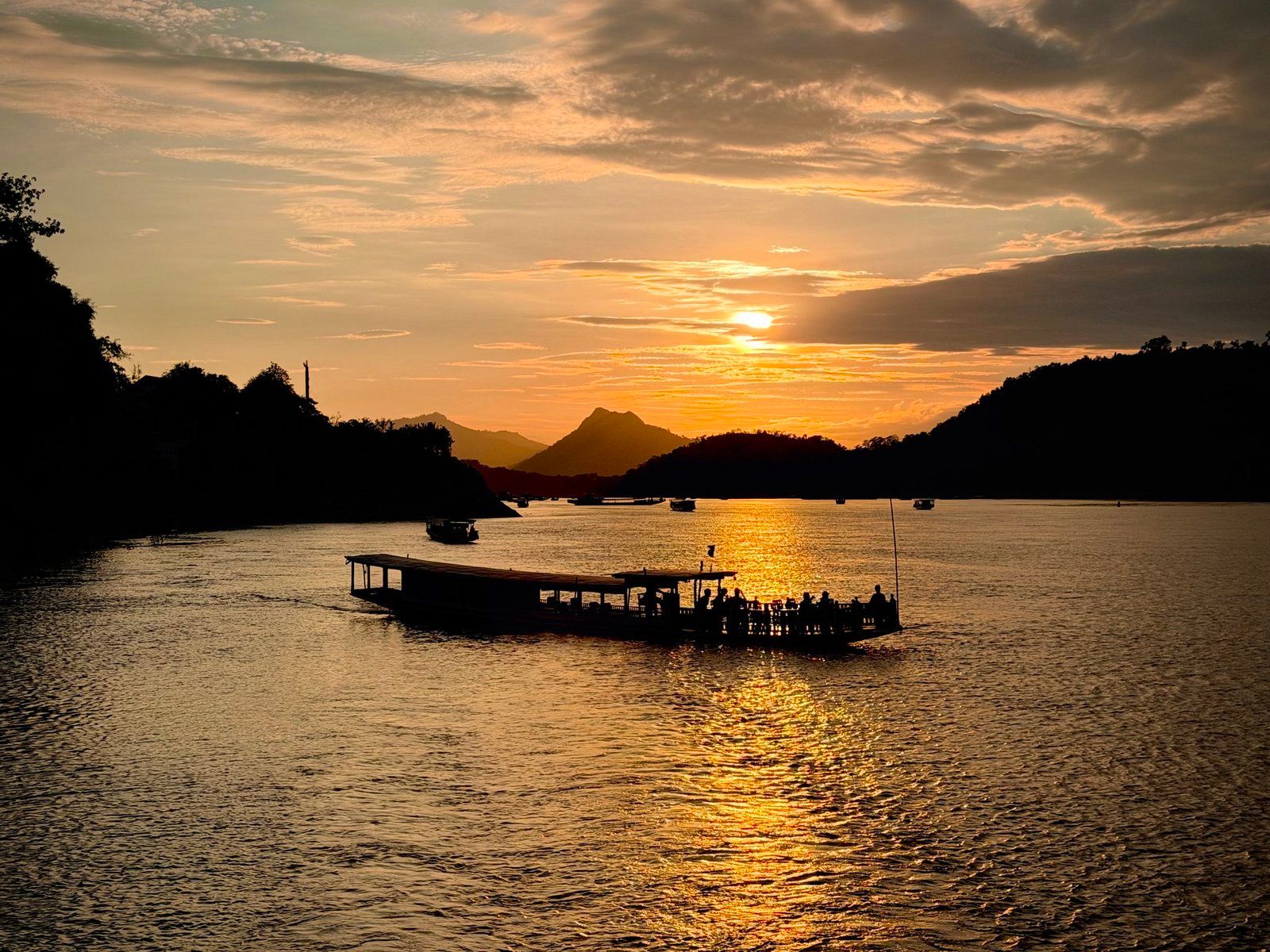
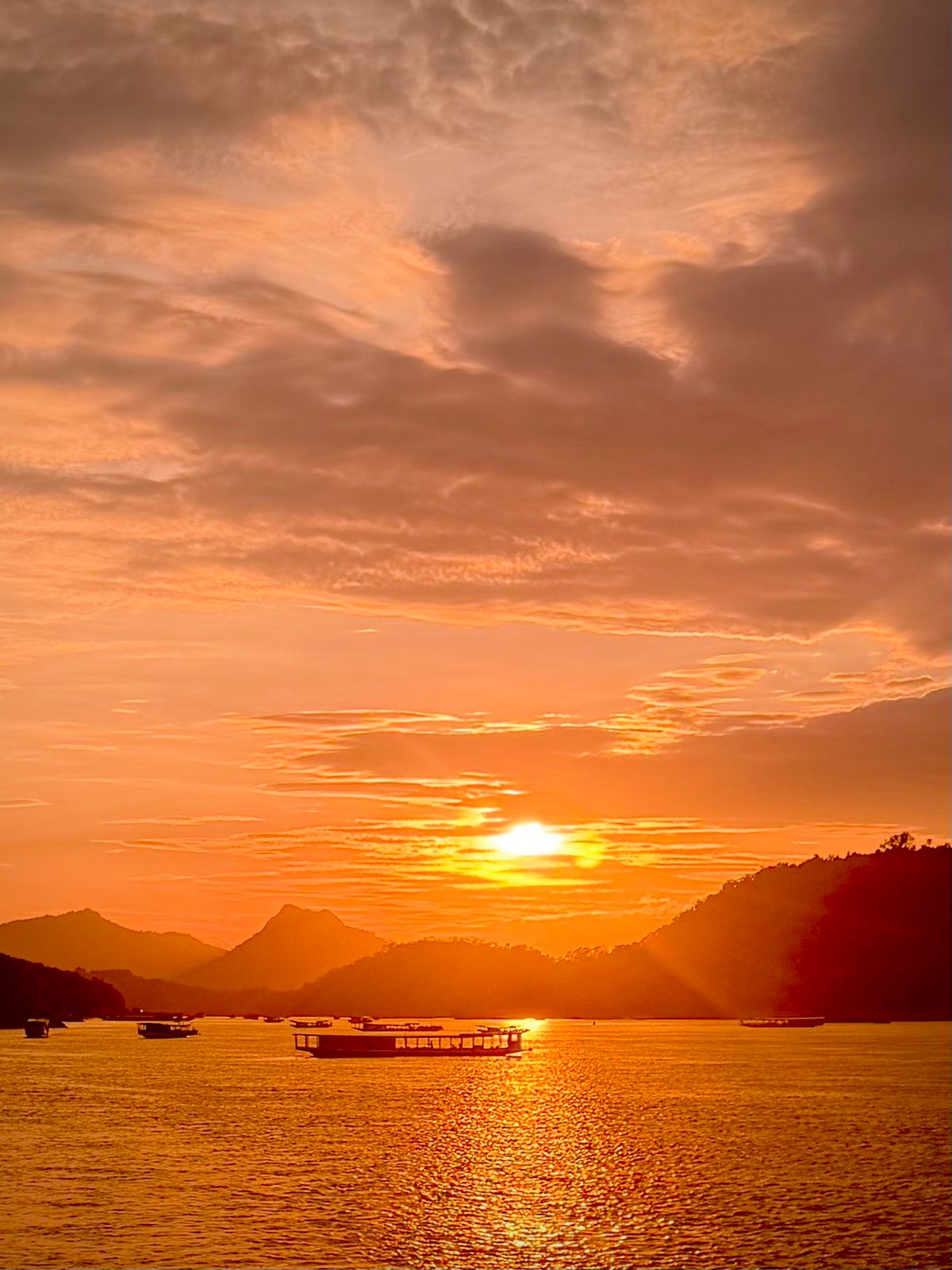
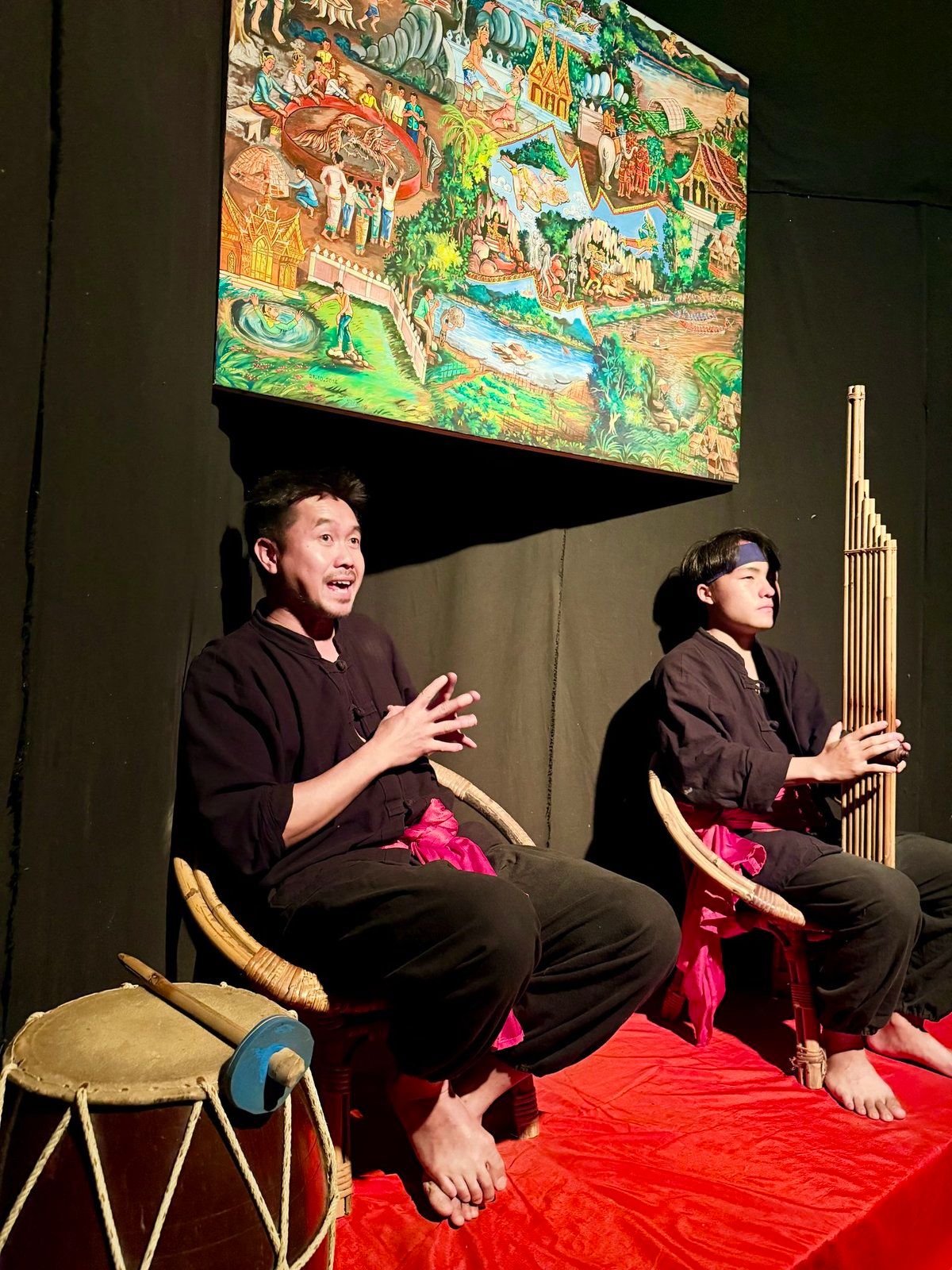
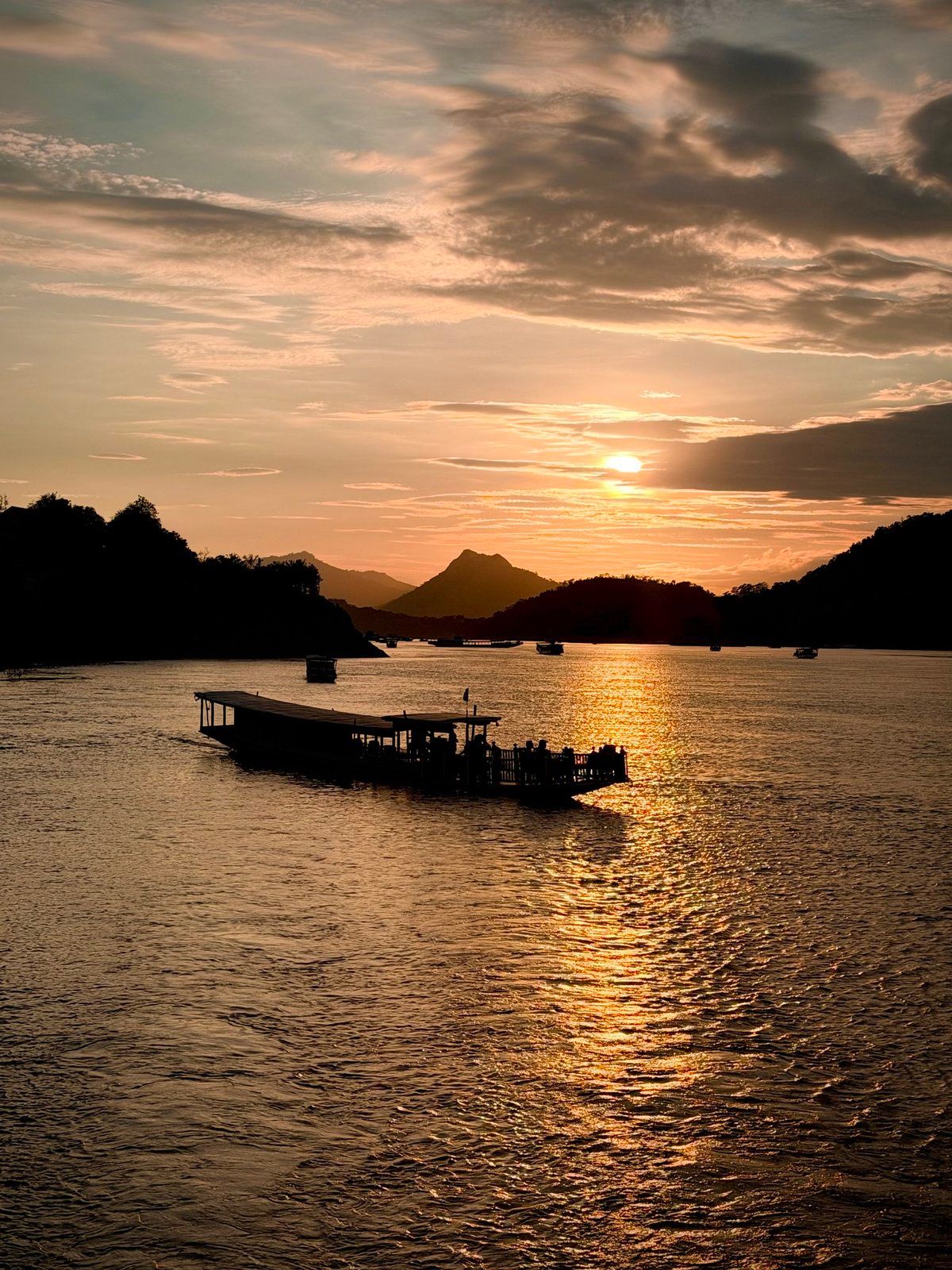
The last two evenings were on the river. On 20 November I watched the sun go down from the riverbank near Wat Xieng Thong, then spent an hour at Garavek, a tiny storytelling theater where a storyteller and a khene (bamboo mouth organ) player tell Lao folktales in English. On 21 November the day started before dawn with Tak Bat, the procession of saffron-robed monks collecting alms through the old town, and ended with the Khopfa sunset cruise on the Mekong.
Good to know
- When17–22 Nov 2026 (first visit)
- WhereVientiane, then by train to Luang Prabang; day trip to Kuang Si Falls
- Getting thereWattay International Airport, Vientiane (VTE); Luang Prabang International Airport (LPQ)
- TrainLaos–China Railway, Vientiane to Luang Prabang in about 2 hours; tickets sell out, so book ahead
- EntryVisa on arrival or e-visa for many passports (check current rules for yours)
- MoneyLao kip; US dollars and Thai baht are accepted in some places
Official sites and sources
- Town of Luang Prabang — UNESCO World Heritage List
- COPE — Cooperative Orthotic and Prosthetic Enterprise
- Free the Bears, Laos — Tat Kuang Si Bear Rescue Centre
- Laos–China Railway — Wikipedia