Xi'an was the capital of China for more dynasties than any other city, including the Qin, whose first emperor unified China in 221 BC, and the Tang, when the city was the eastern terminus of the Silk Road and one of the largest cities in the world. The Ming city wall still rings the center.
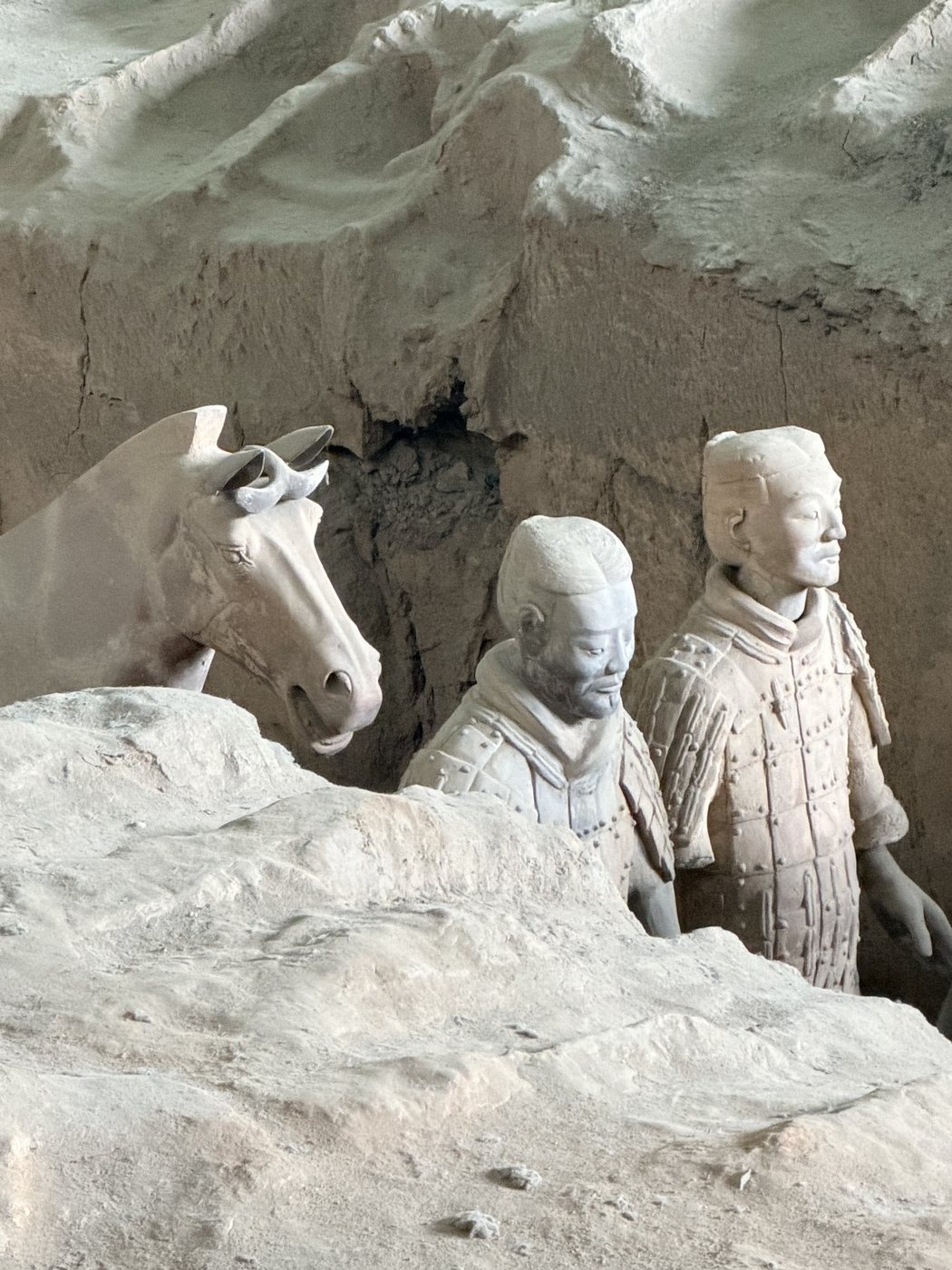
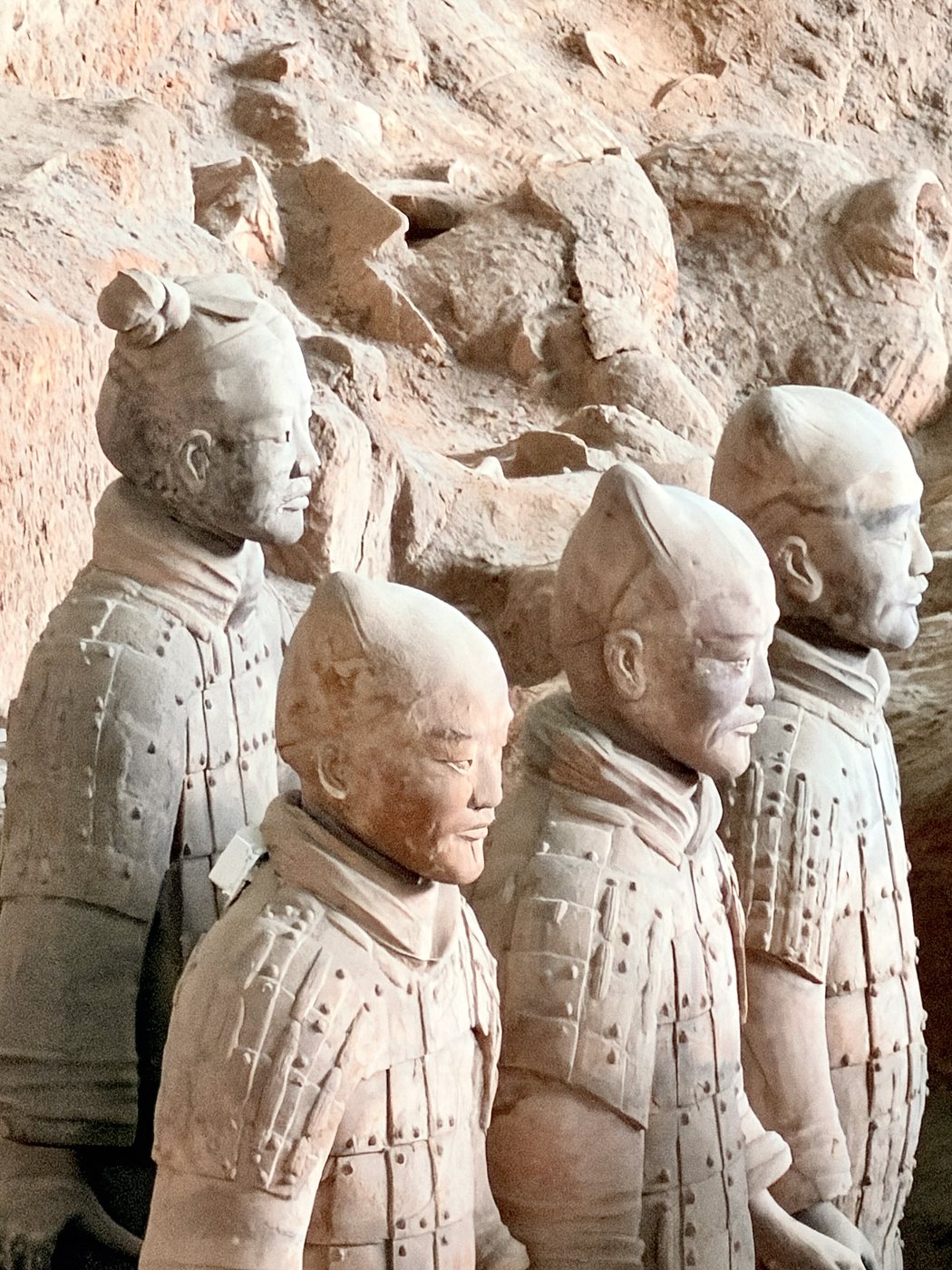
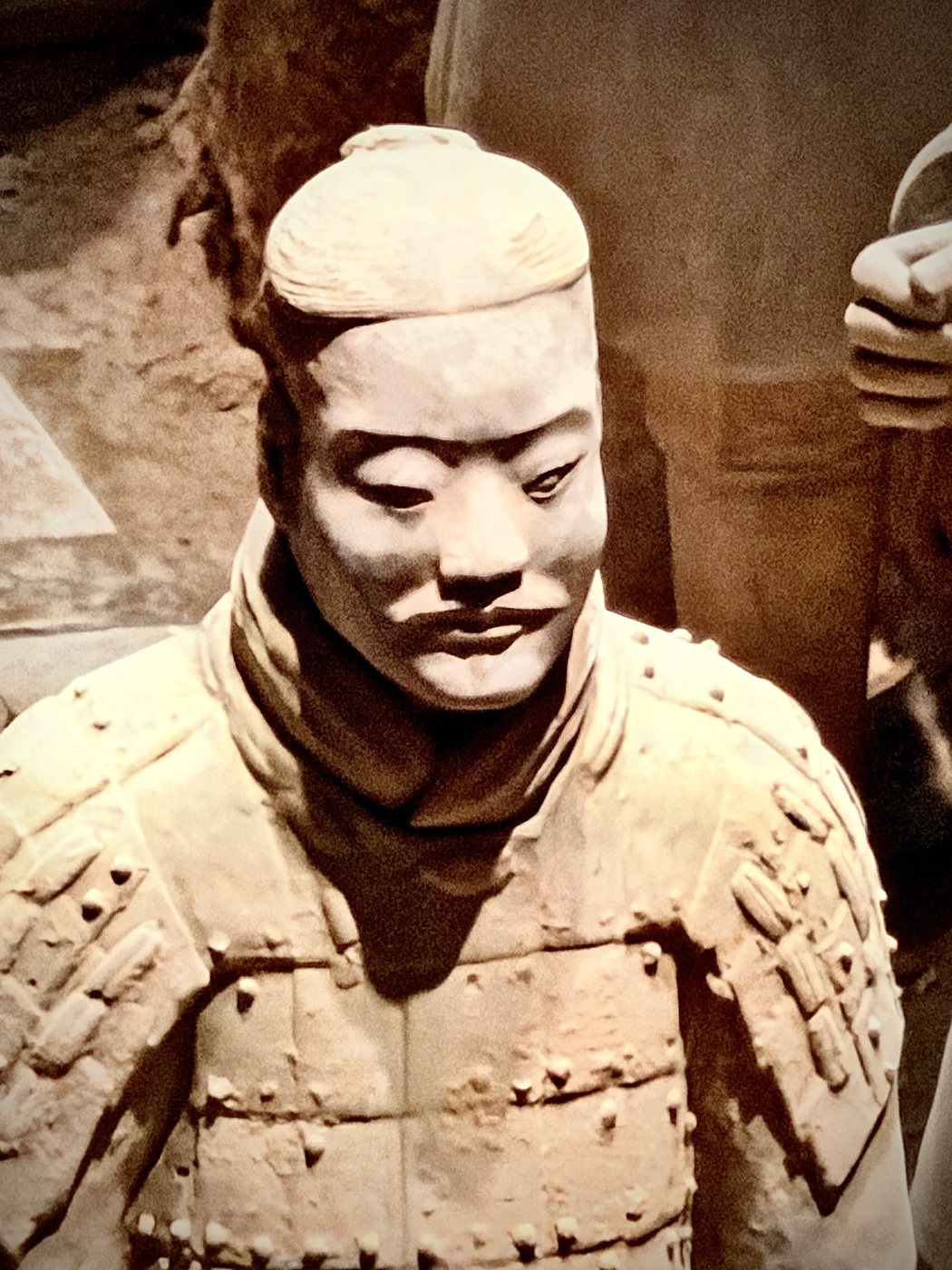
I came in on the high-speed train from Beijing, and the next morning we drove about 40 km east to the Terracotta Army: the clay soldiers buried with Qin Shi Huang, the First Emperor, more than 2,200 years ago to guard him in the afterlife. Pit 1 alone holds an estimated 6,000 or more figures in battle formation, and no two faces are the same.
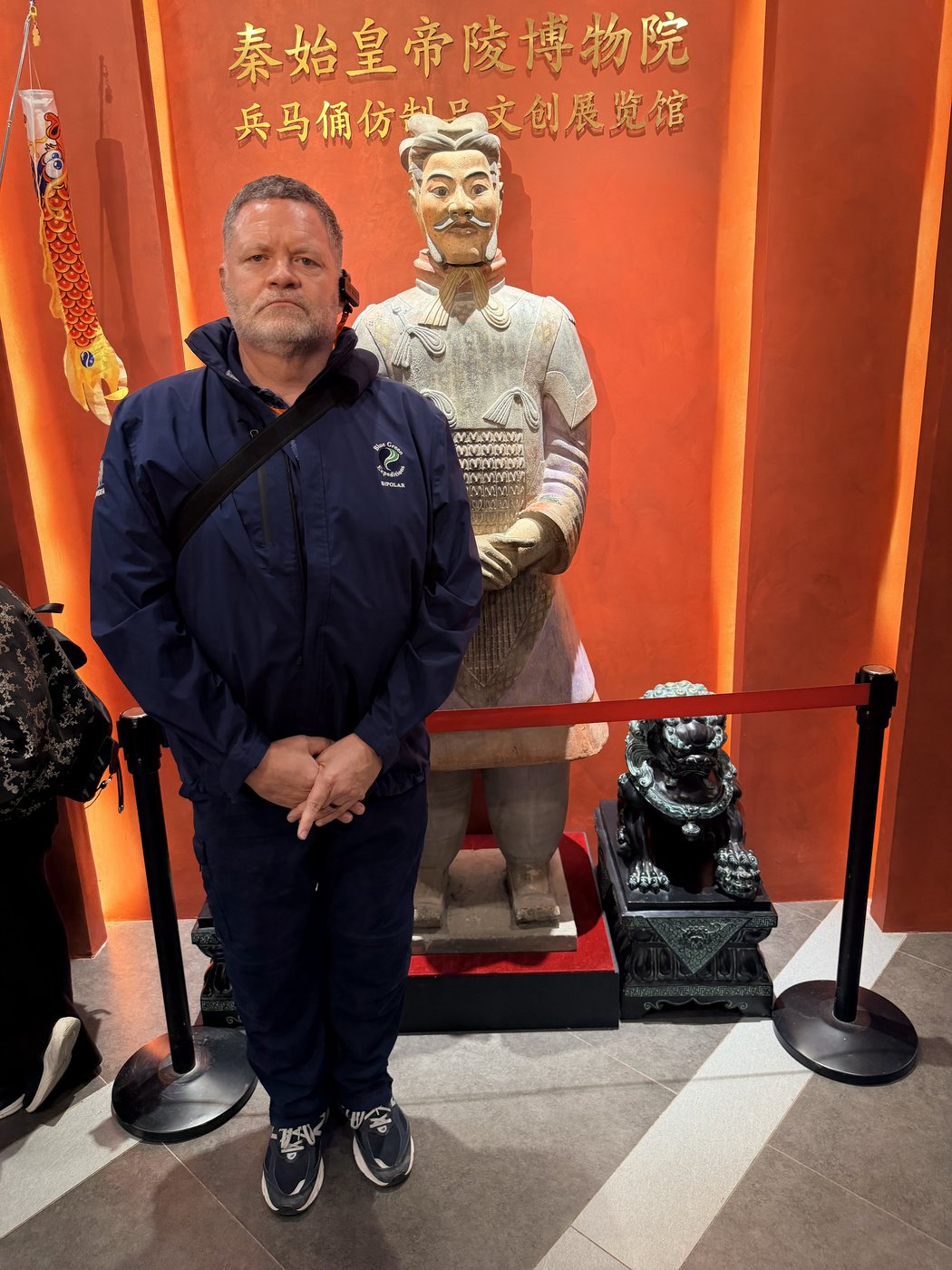
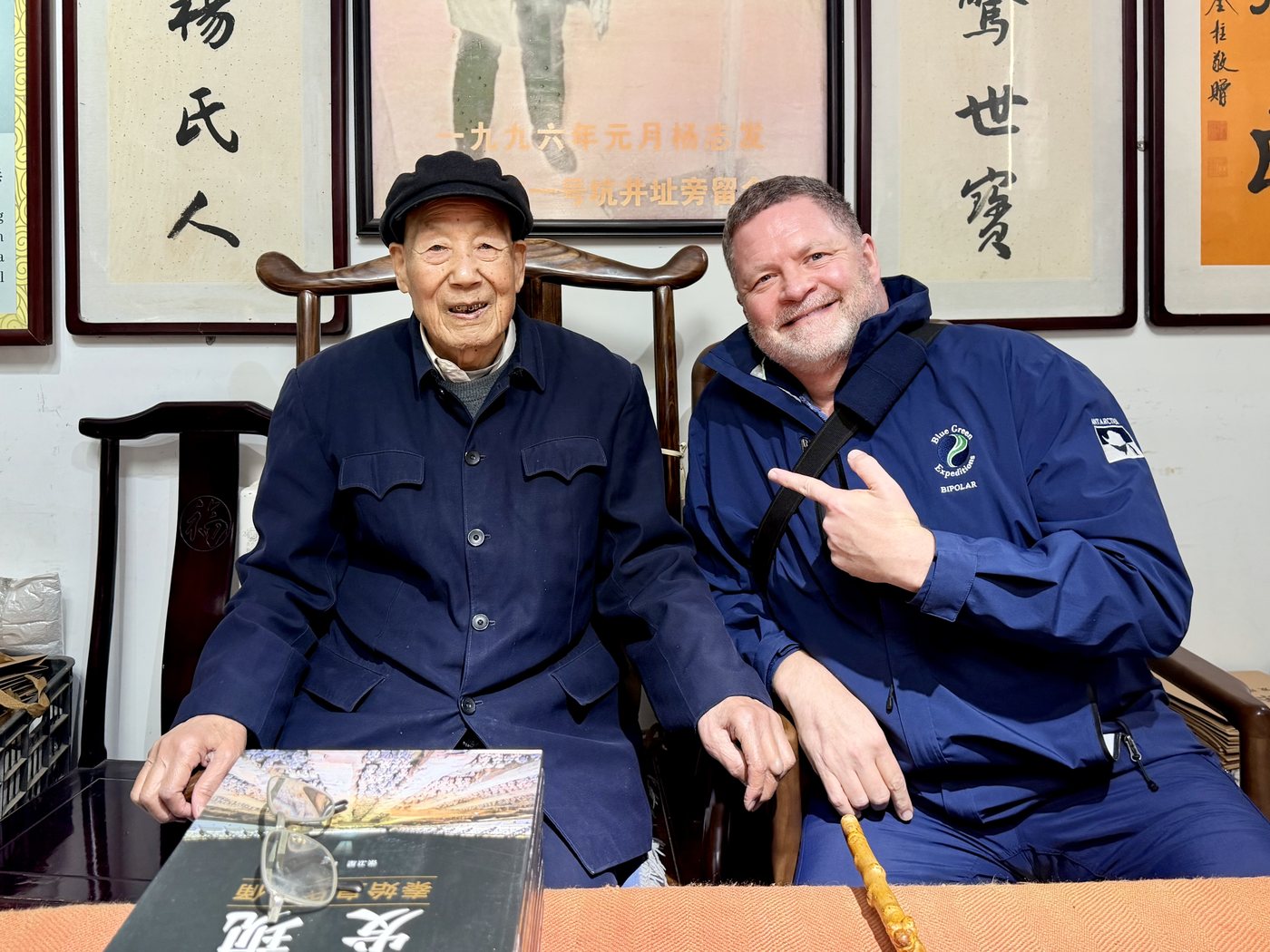
Then came the moment of the trip I didn't expect. In March 1974 a group of farmers digging a well during a drought brought up pieces of a clay head and bronze arrowheads, and archaeologists did the rest. One of them, Yang Zhifa, is still a part of the story, and I got to meet him and sit down with him for a photo.
In the afternoon we went to the Big Wild Goose Pagoda, and in the evening to a Tang Dynasty music-and-dance show, a staging of the court music and costume of the dynasty that made Xi'an, then called Chang'an, the capital of China at its height.
Pit 1
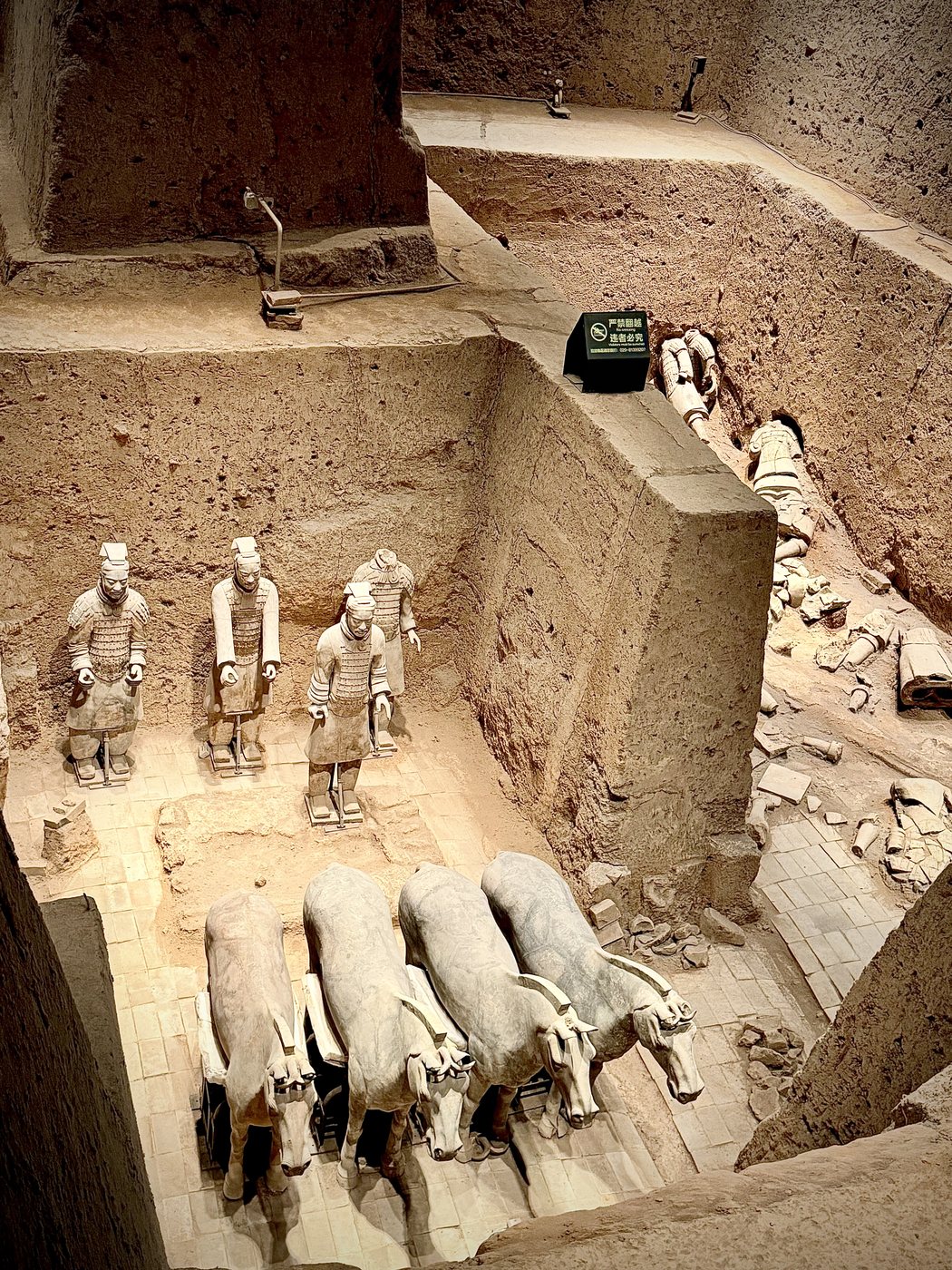
Pit 1 is the big one: a hall the size of an aircraft hangar over the excavated trenches, with the infantry standing in long columns, facing east. You look down on it from a walkway around the edge.
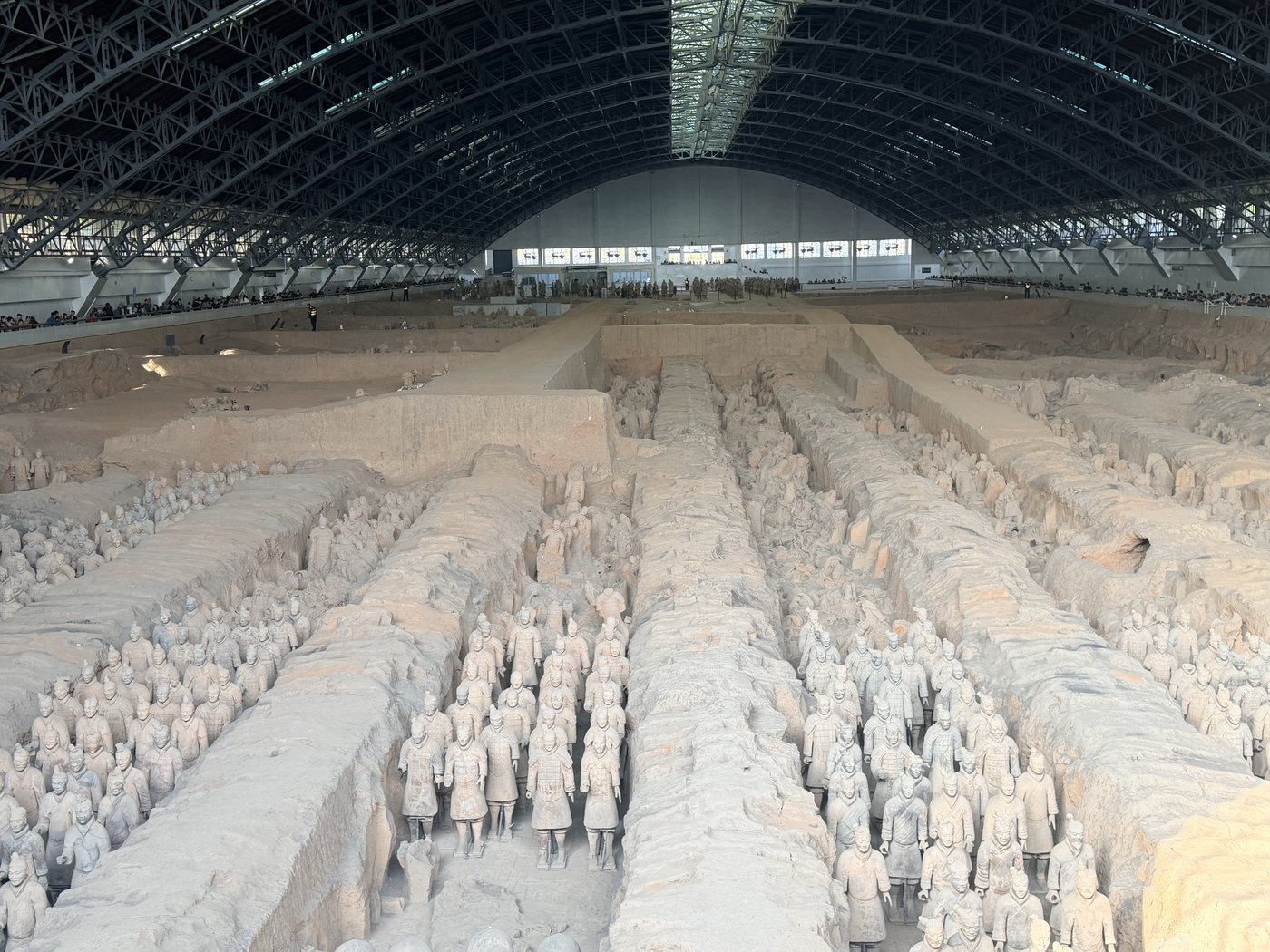
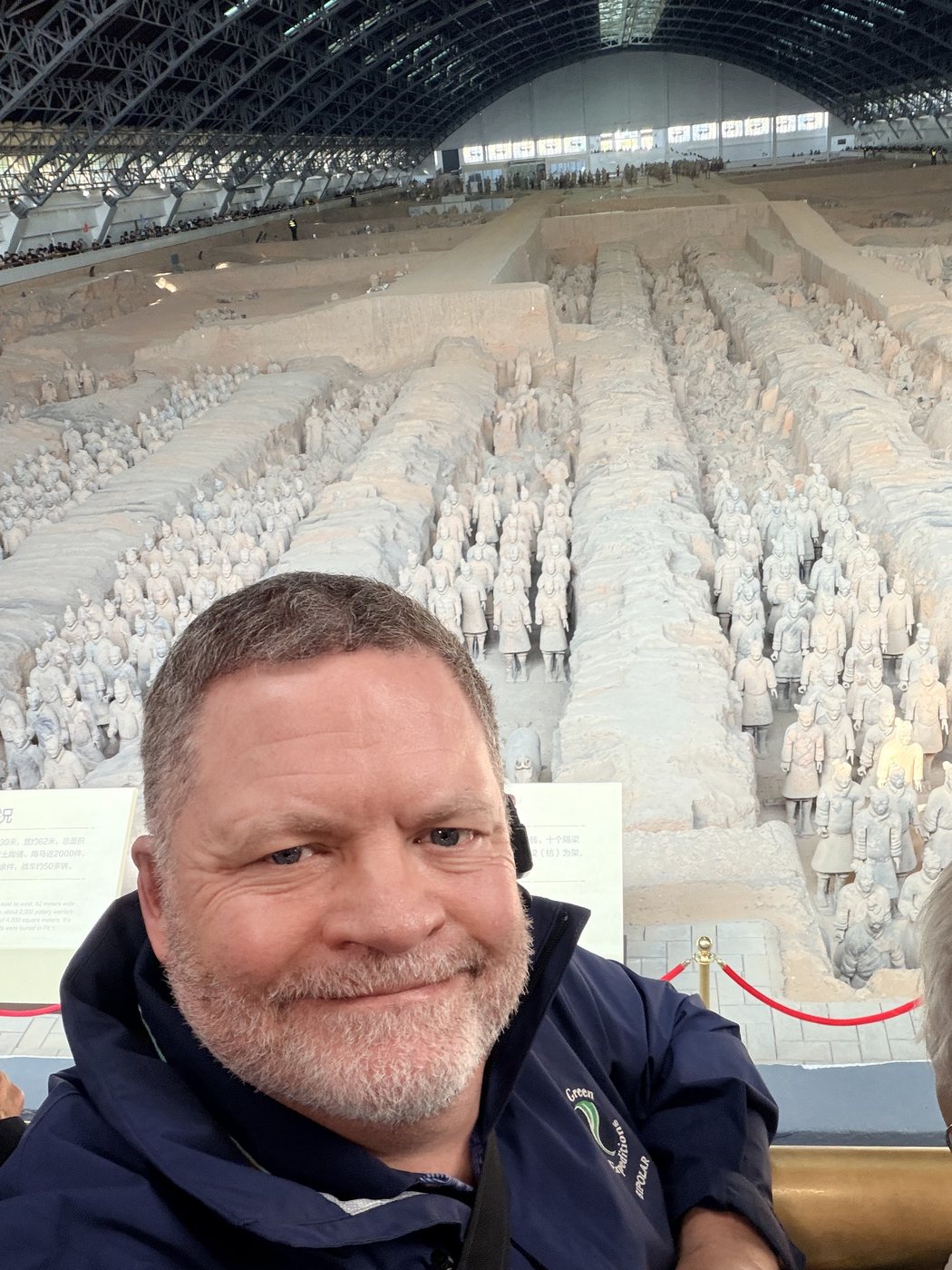
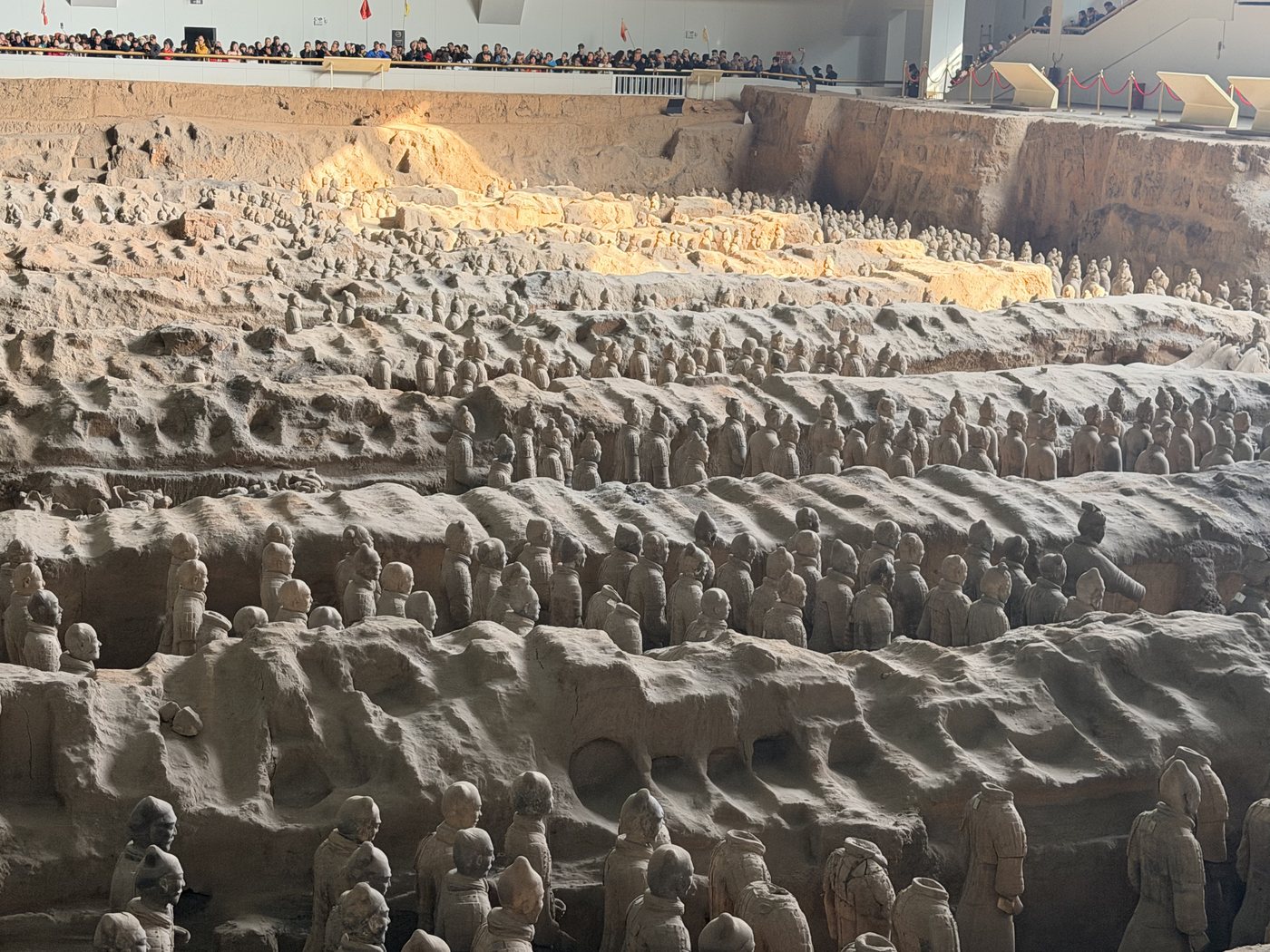
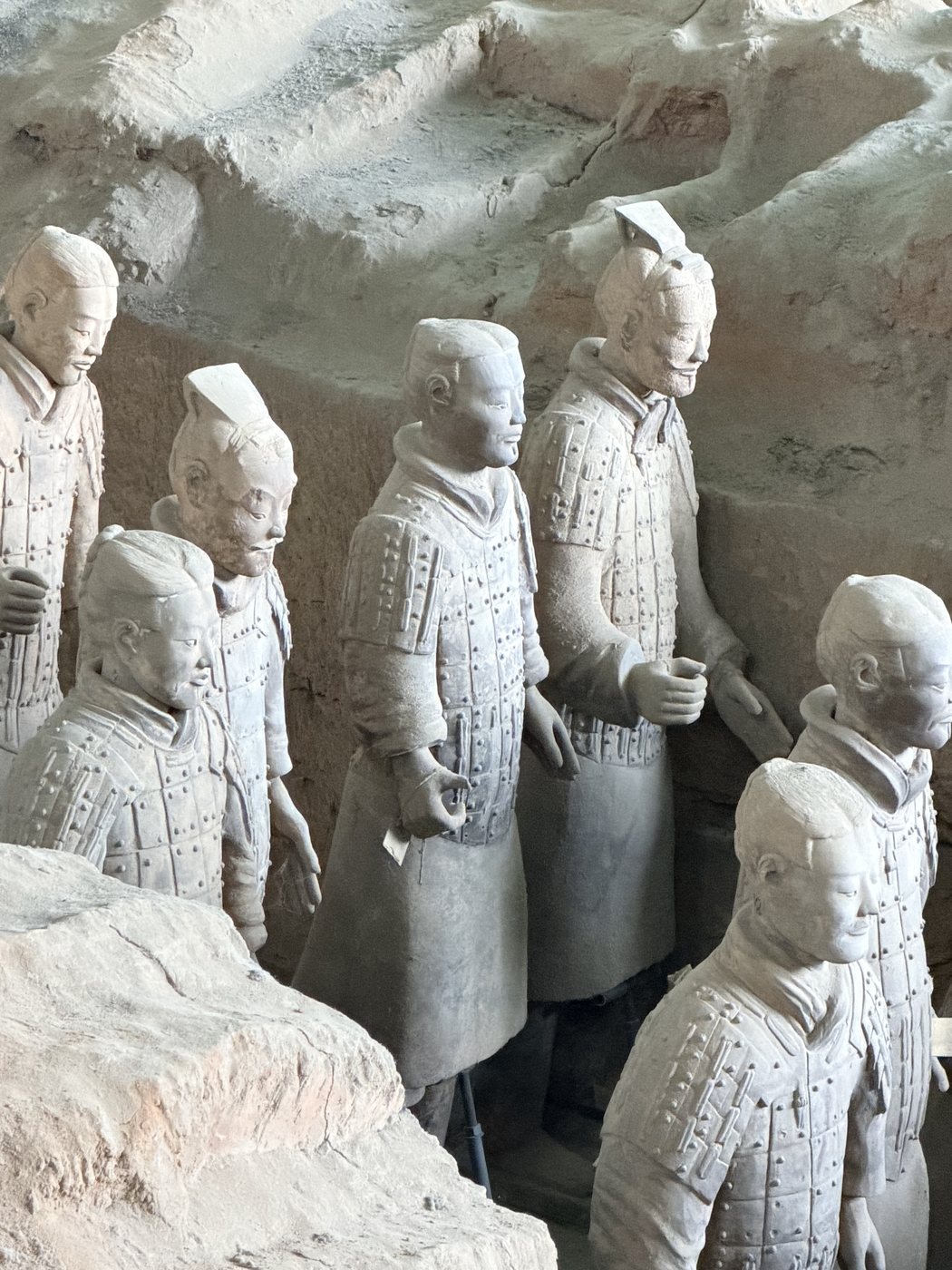
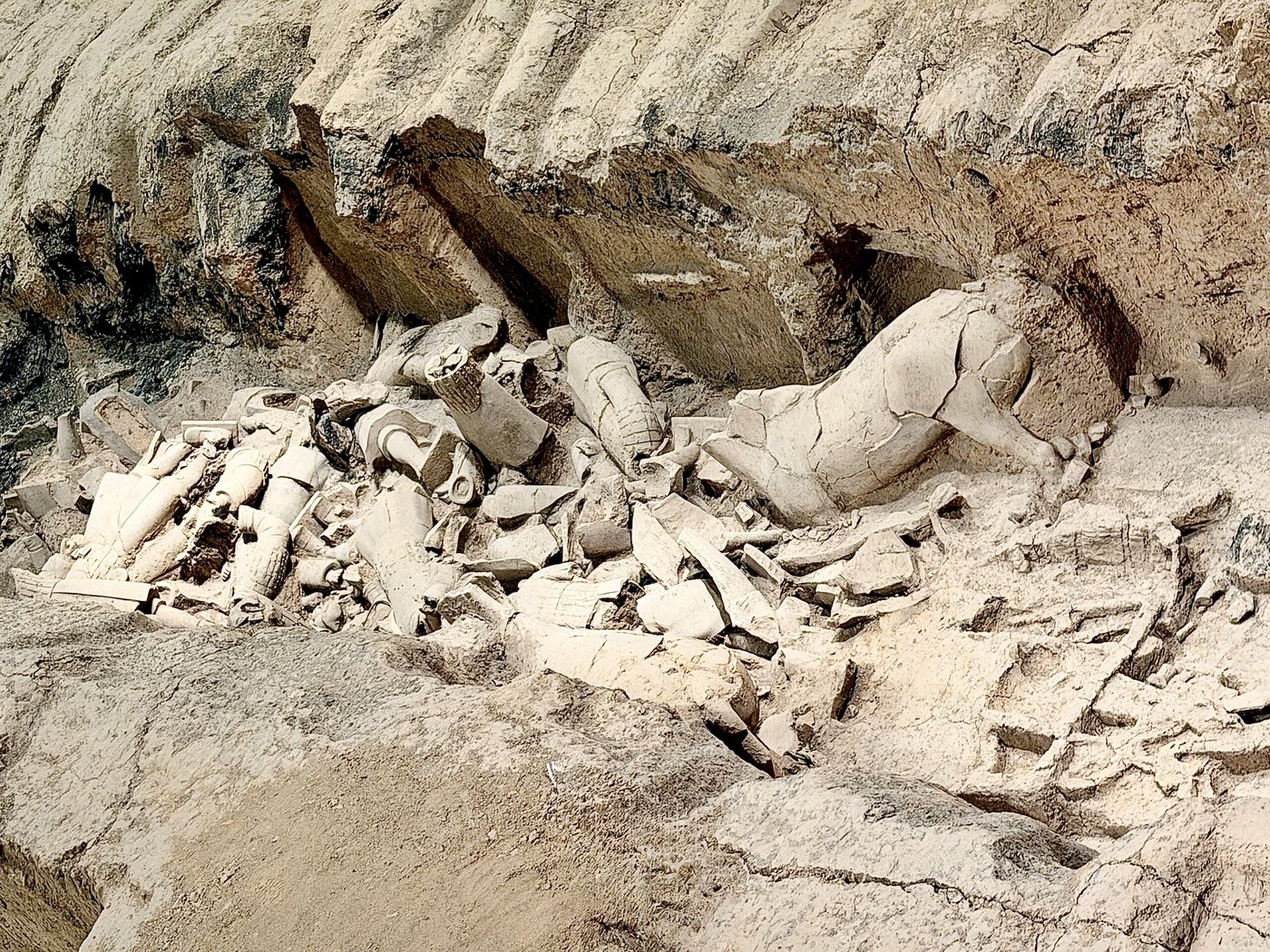
Still being excavated
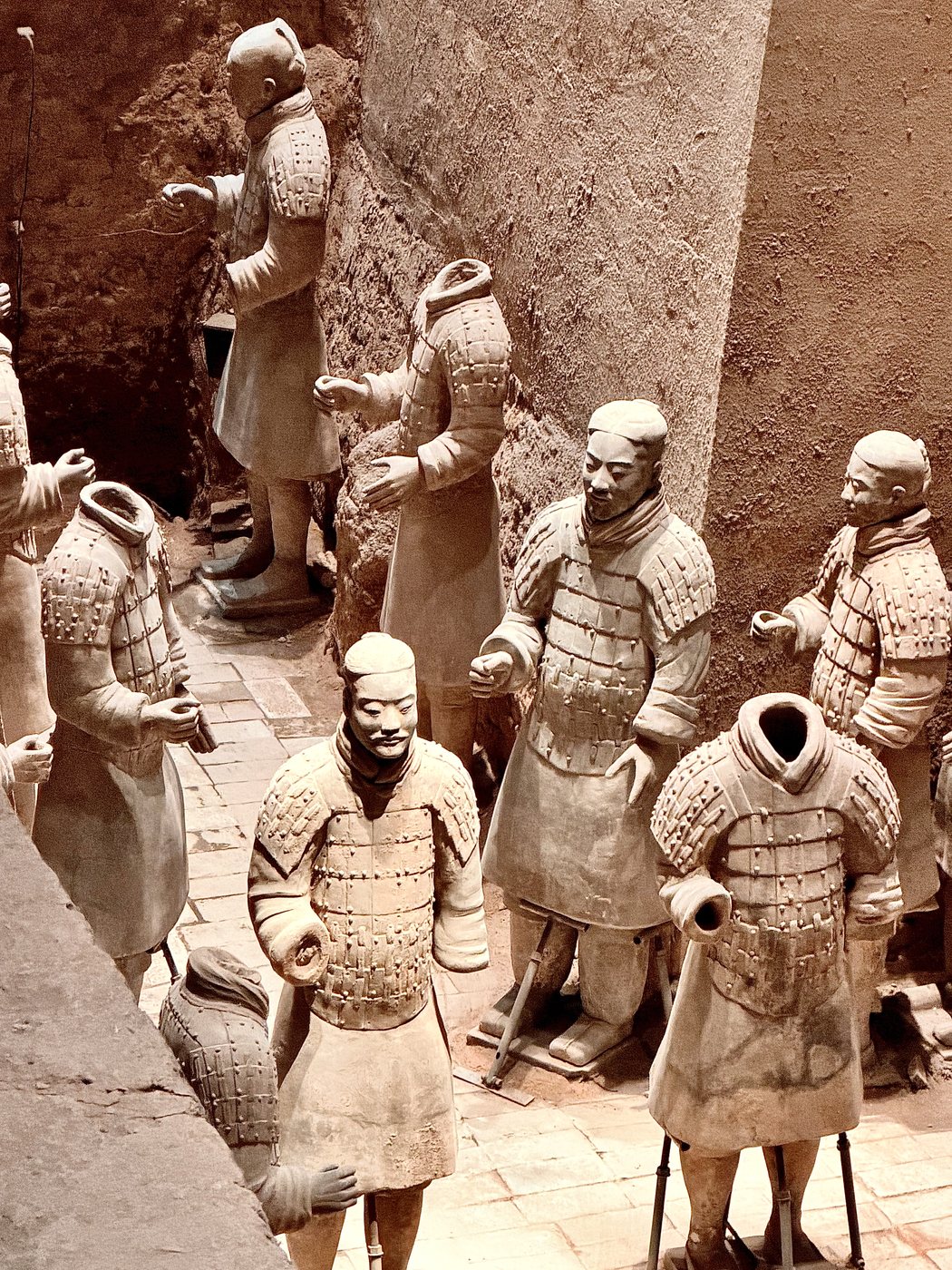
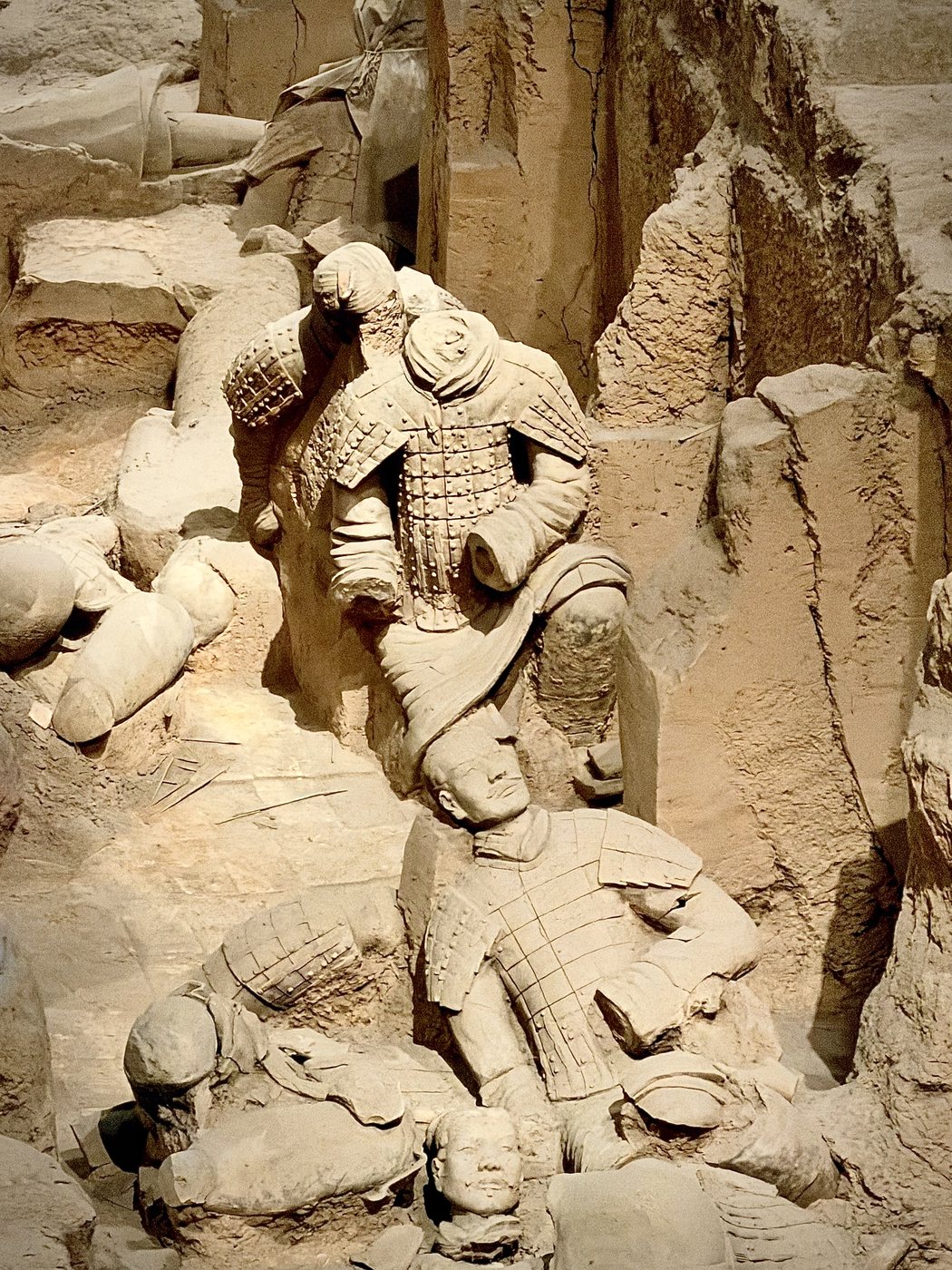
Much of the army is still in the ground or in pieces. In parts of the pits you can see figures where they fell when the roof beams collapsed, and the restoration area where archaeologists reassemble them.
The museum
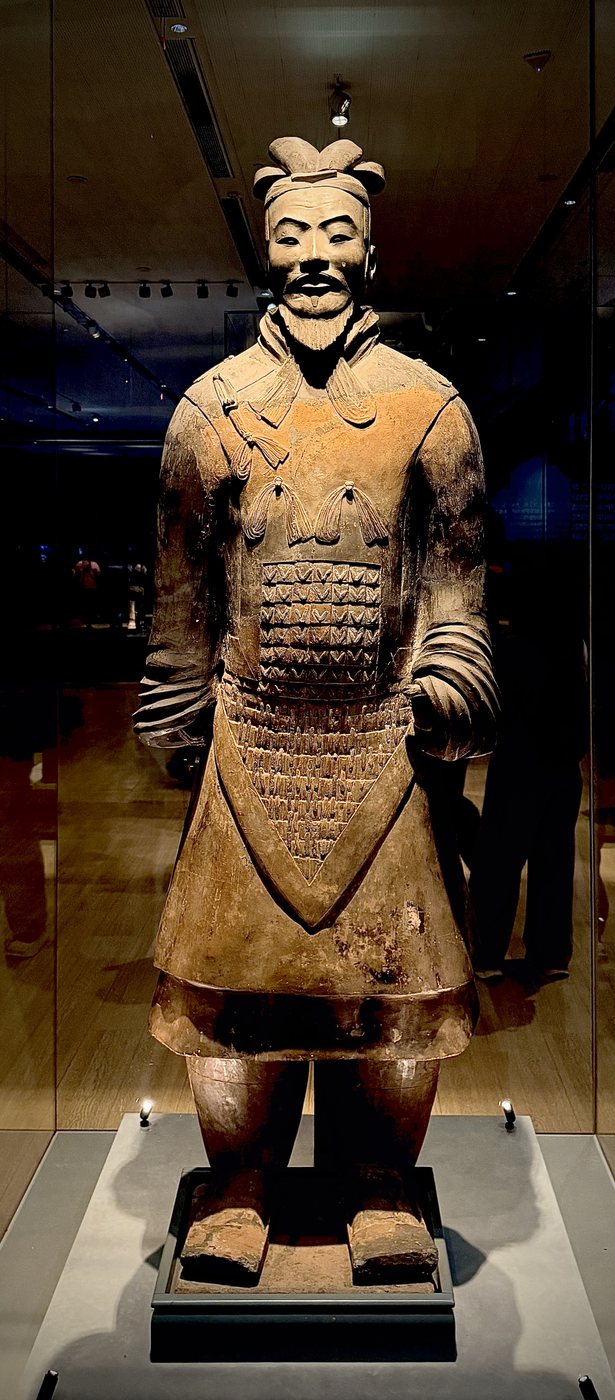
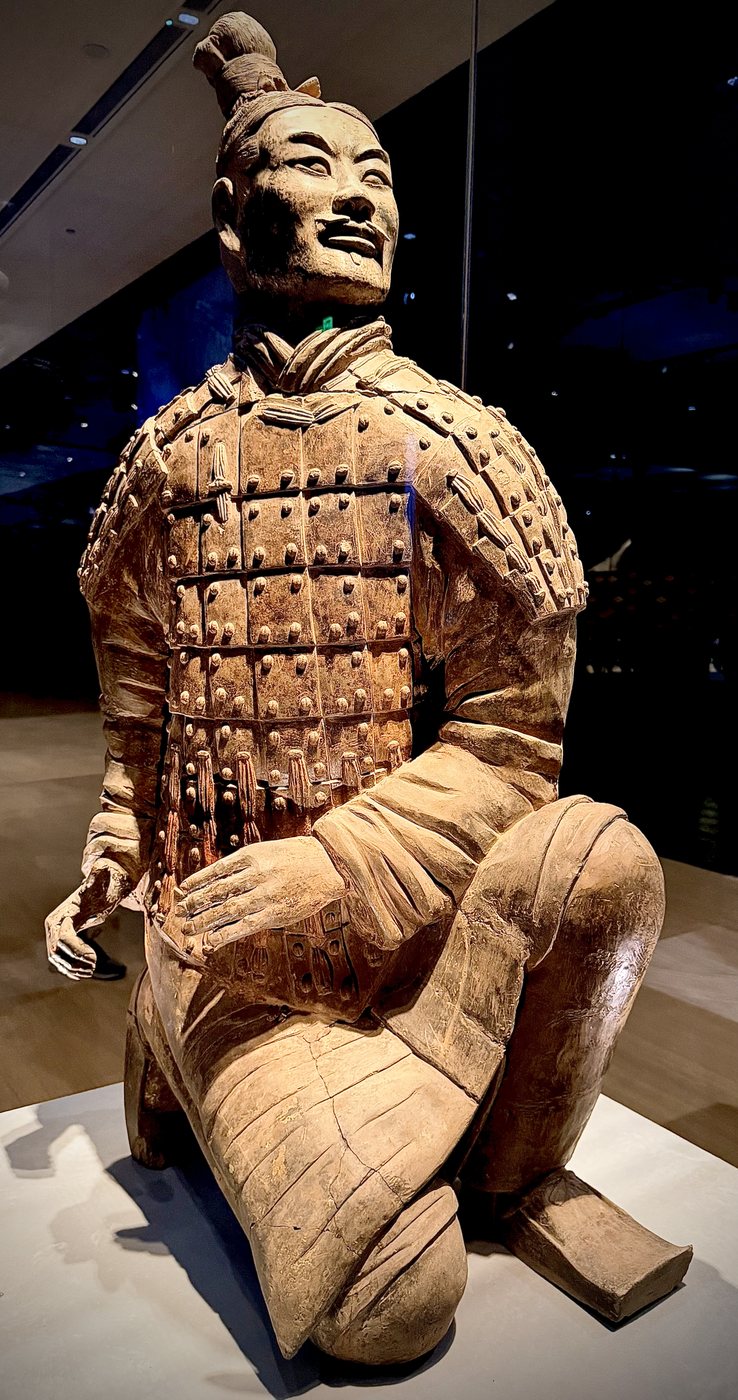
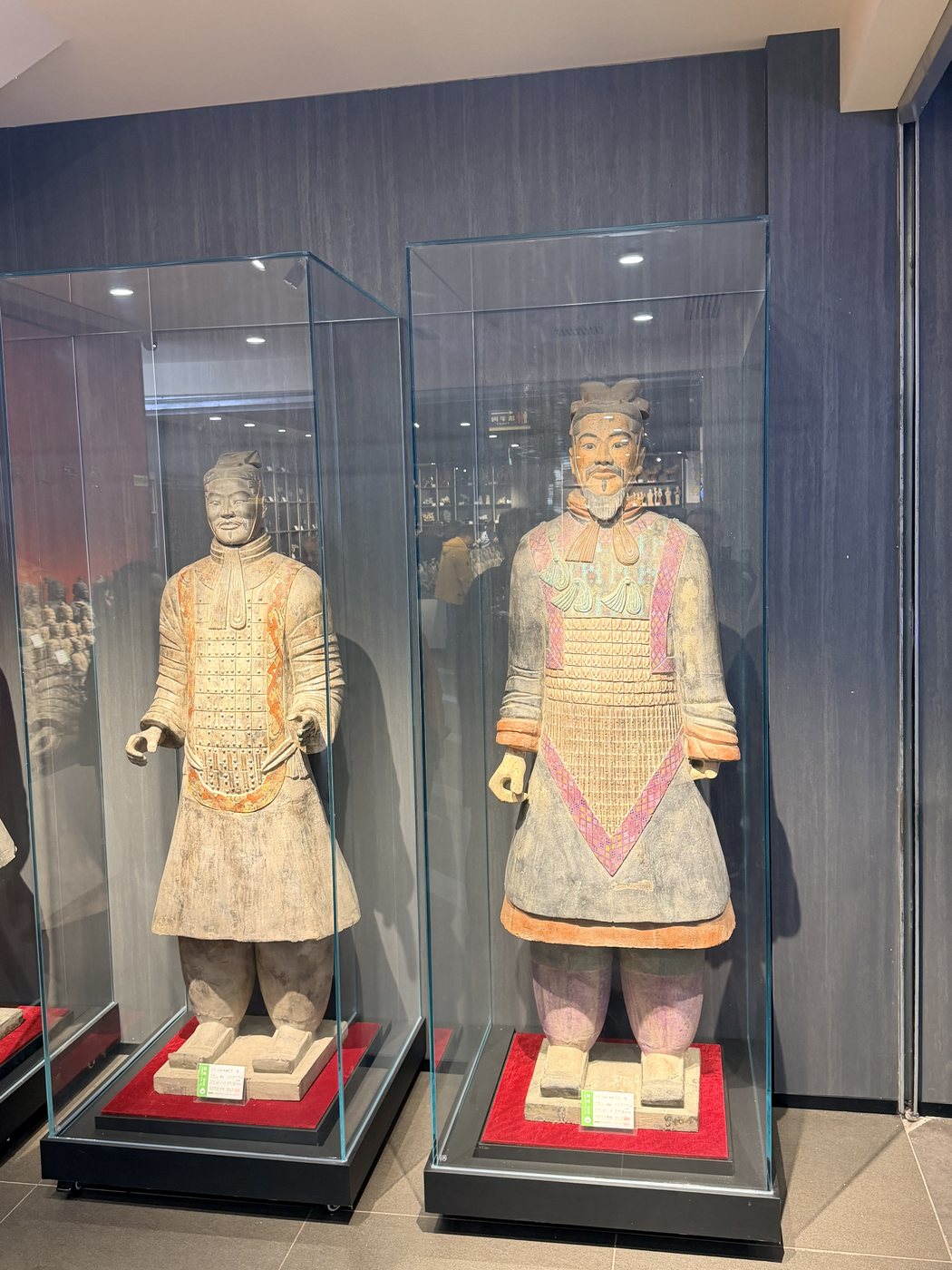
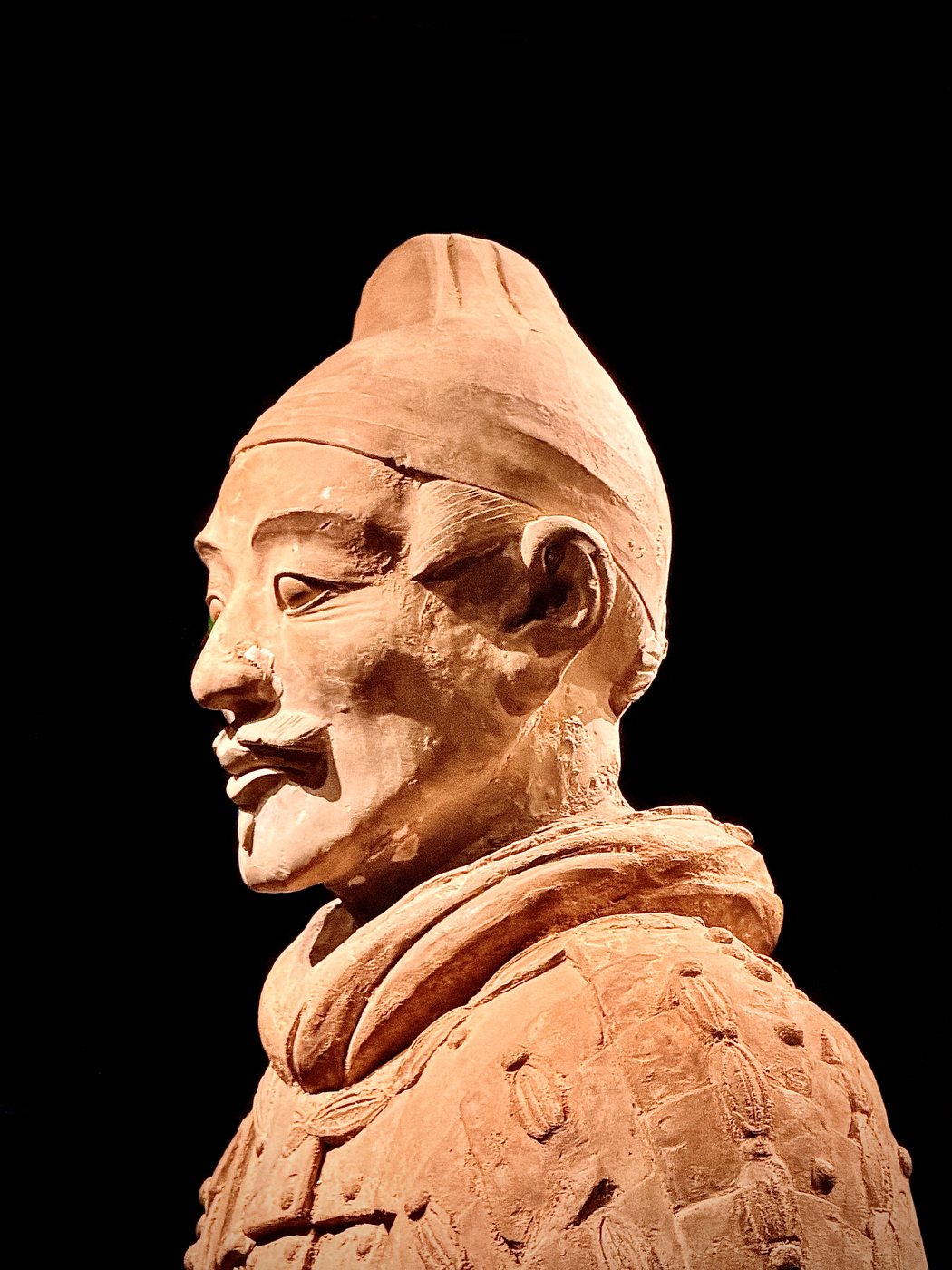
The museum halls put individual figures behind glass, where you can see the differences in rank: the armored general, the kneeling archer, cavalry horses, and replicas painted the way the originals were before the colors flaked off in the air.
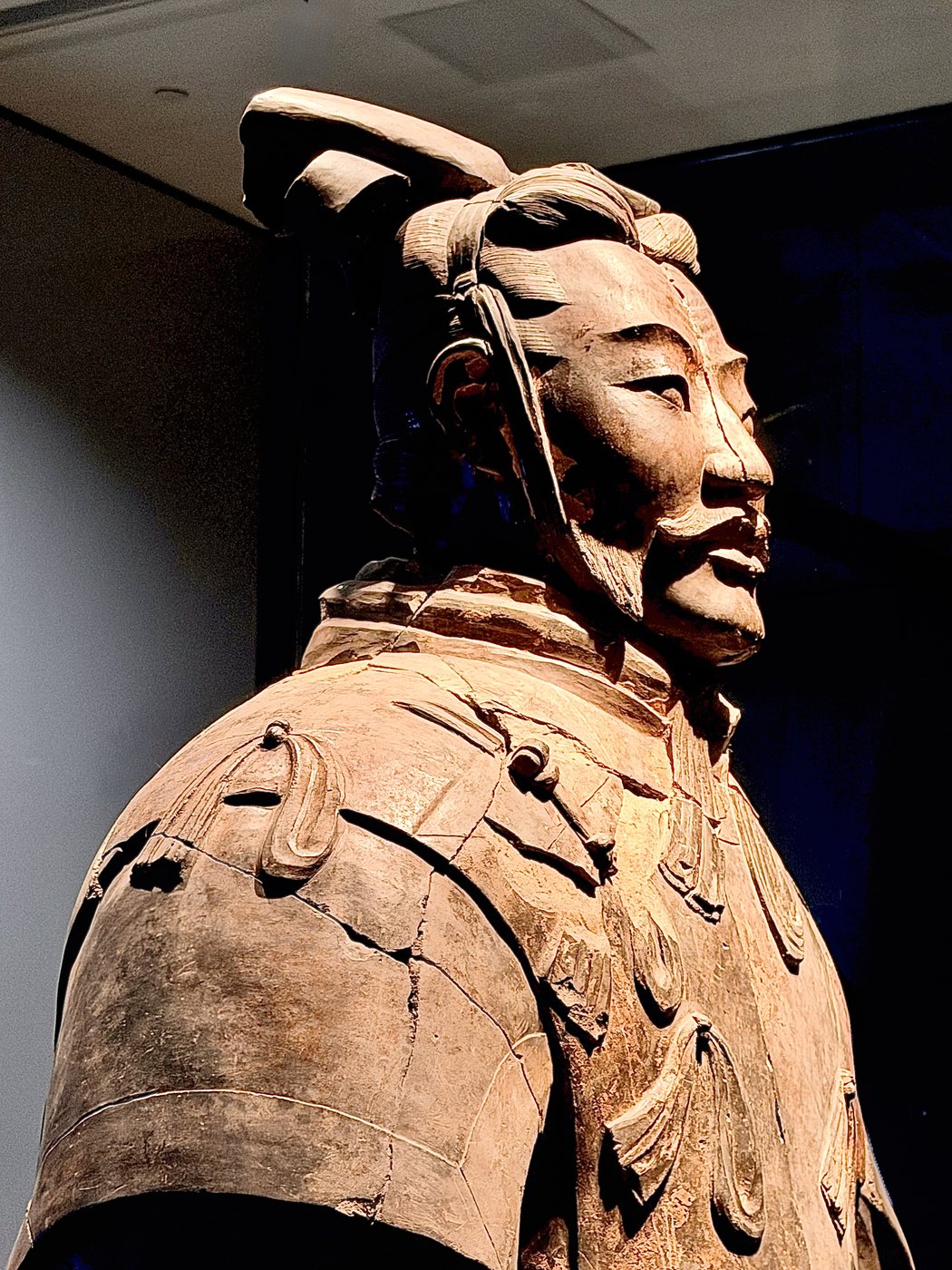
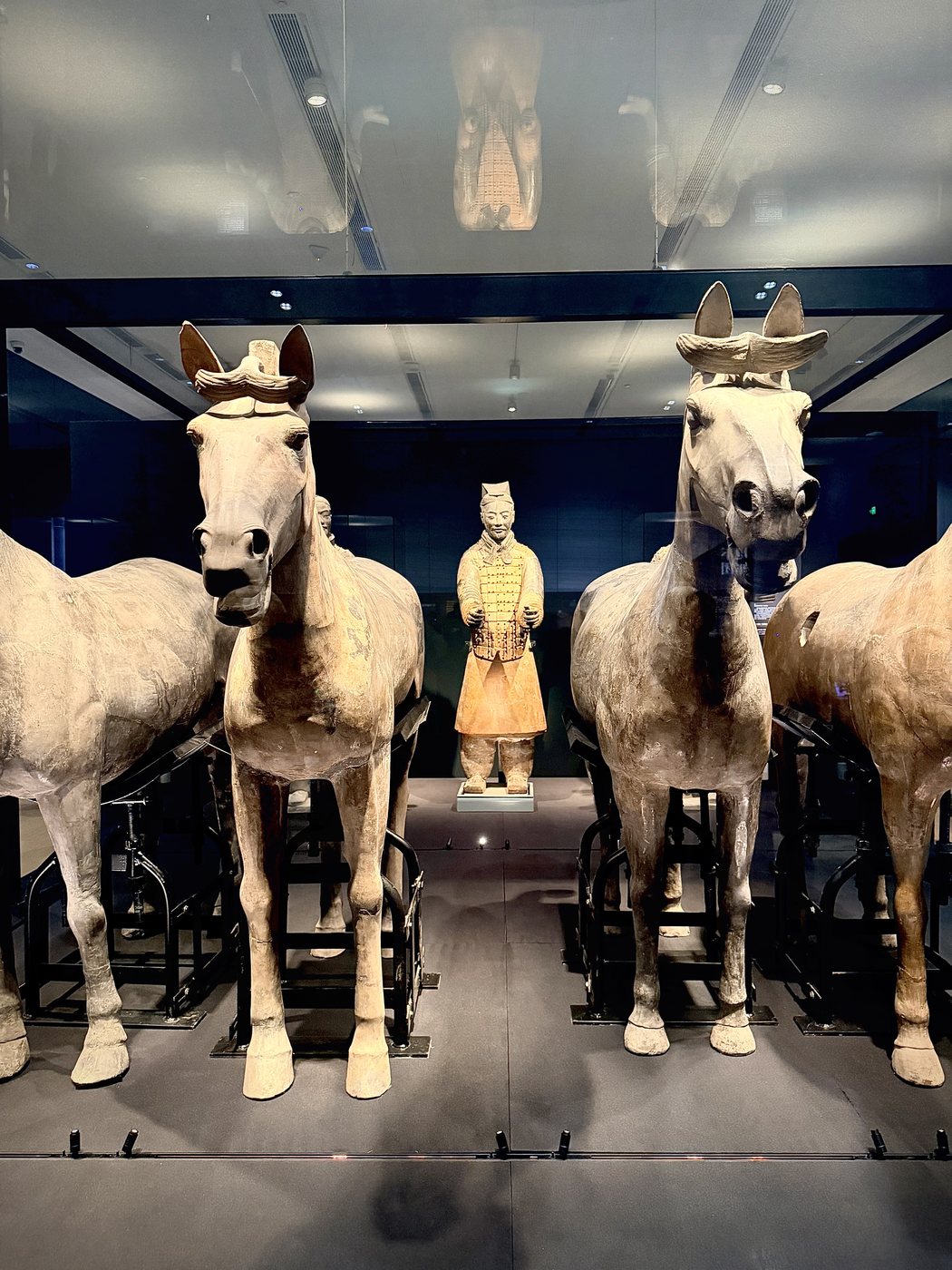
Meeting Yang Zhifa
In 1974, during a drought, Yang Zhifa and several other men from his village were digging a well when they hit fragments of terracotta. He spent years afterward at the museum signing books for visitors. I was lucky enough to meet him in October 2026.
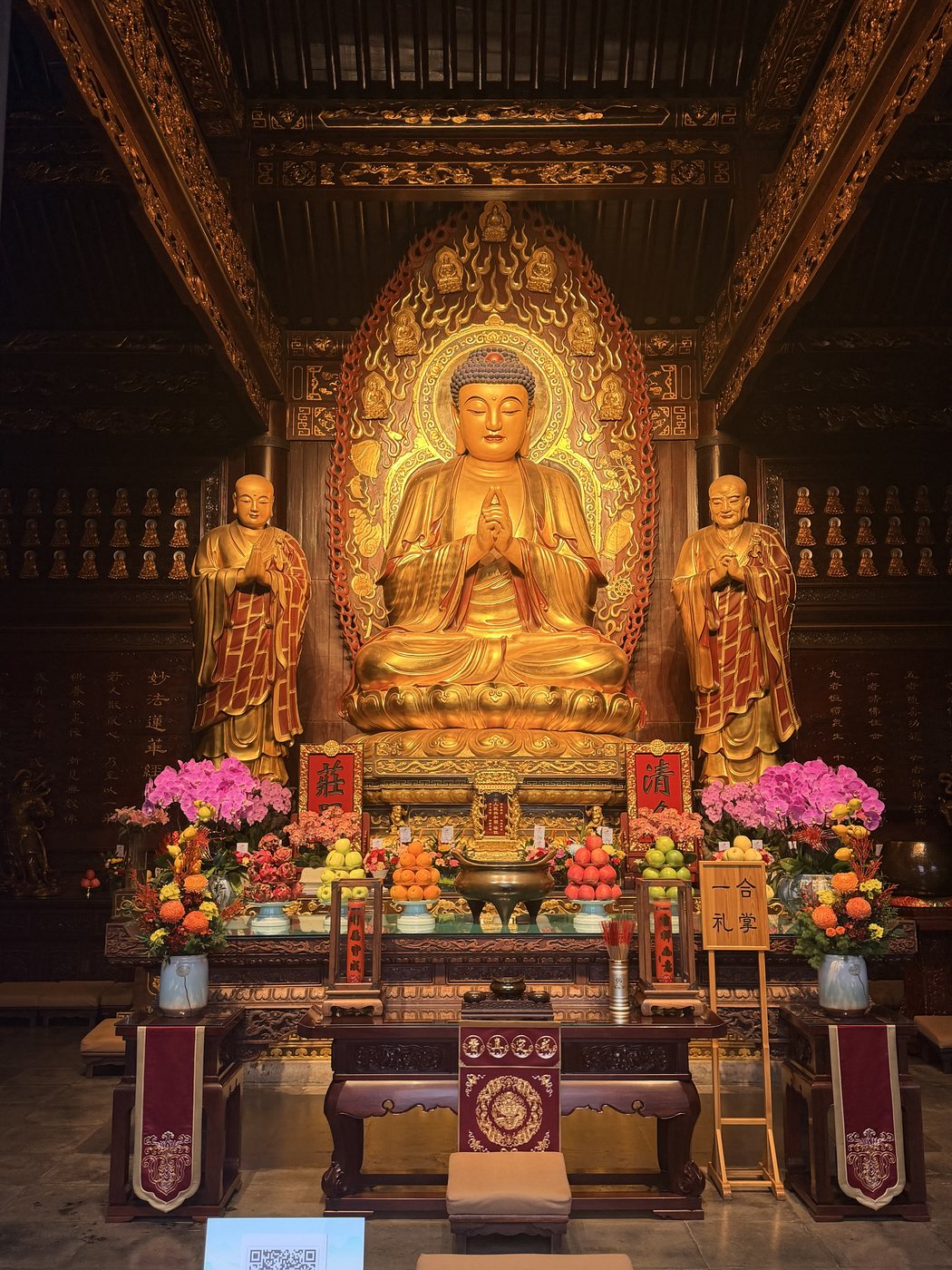
The Big Wild Goose Pagoda
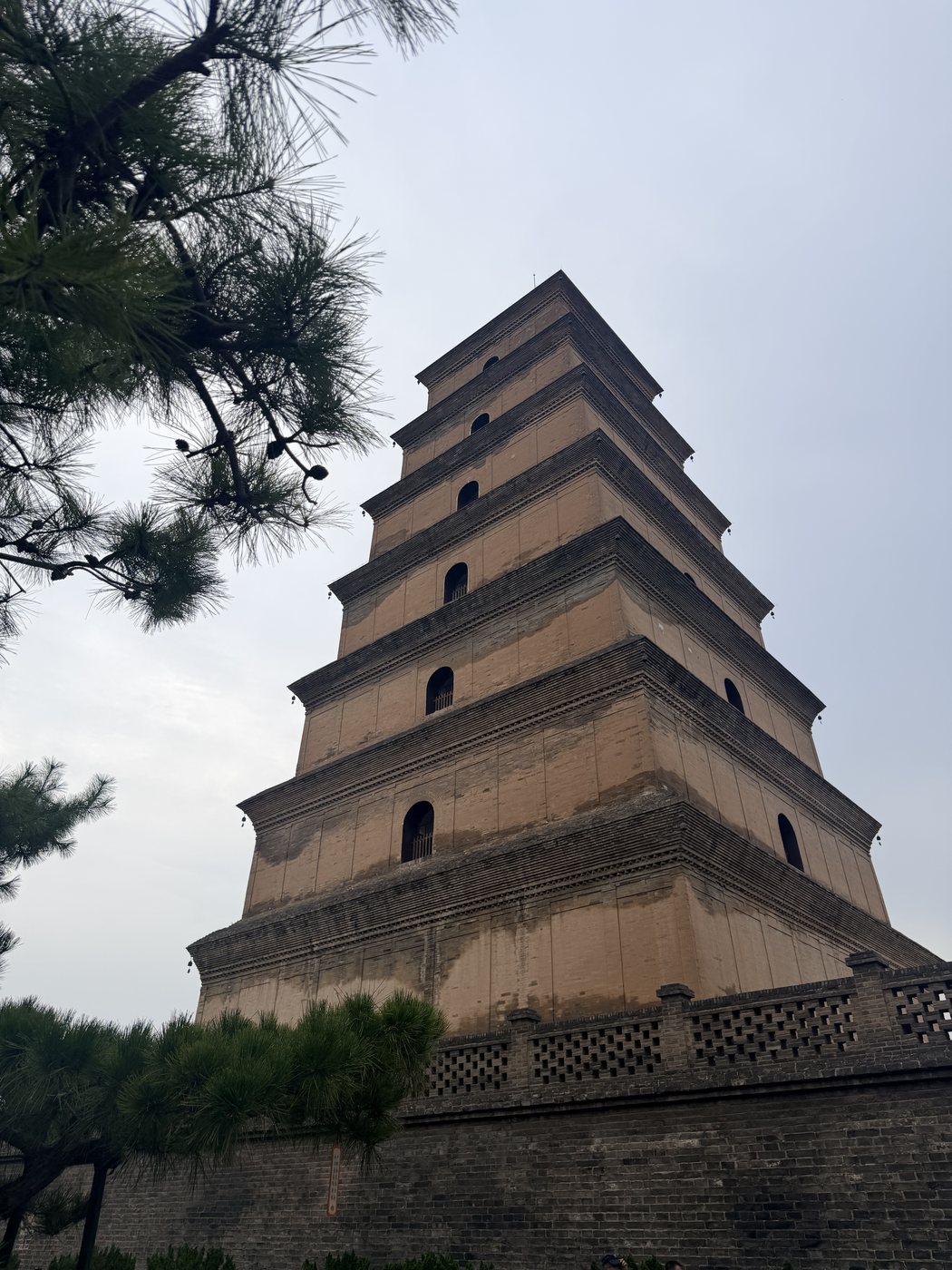
The pagoda was built in 652, during the Tang dynasty, at the Da Ci'en Temple to hold the Buddhist scriptures the monk Xuanzang brought back from India. It has been rebuilt and raised over the centuries and is part of the Silk Roads: Chang'an–Tianshan Corridor World Heritage site.
Xi'an at night
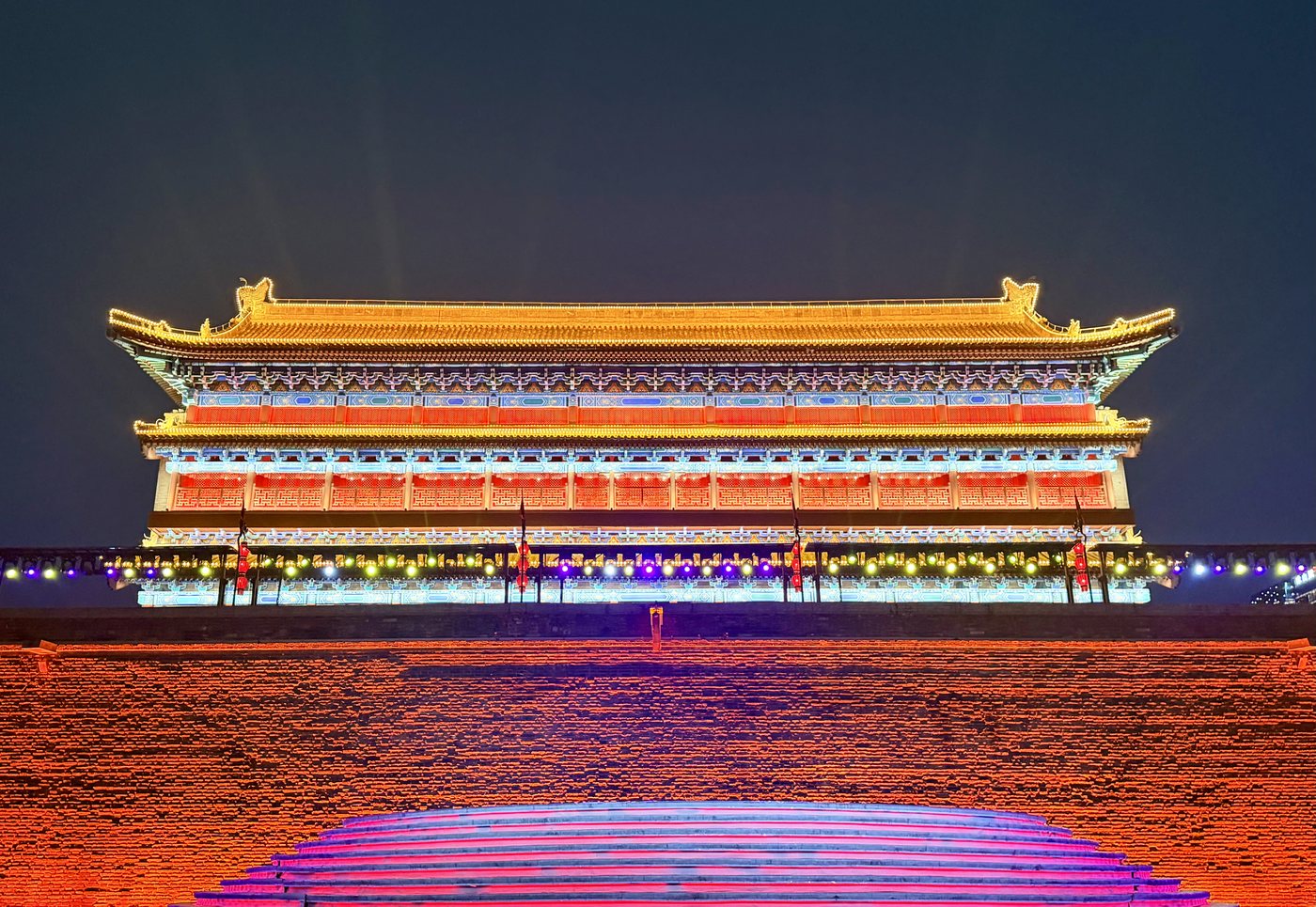
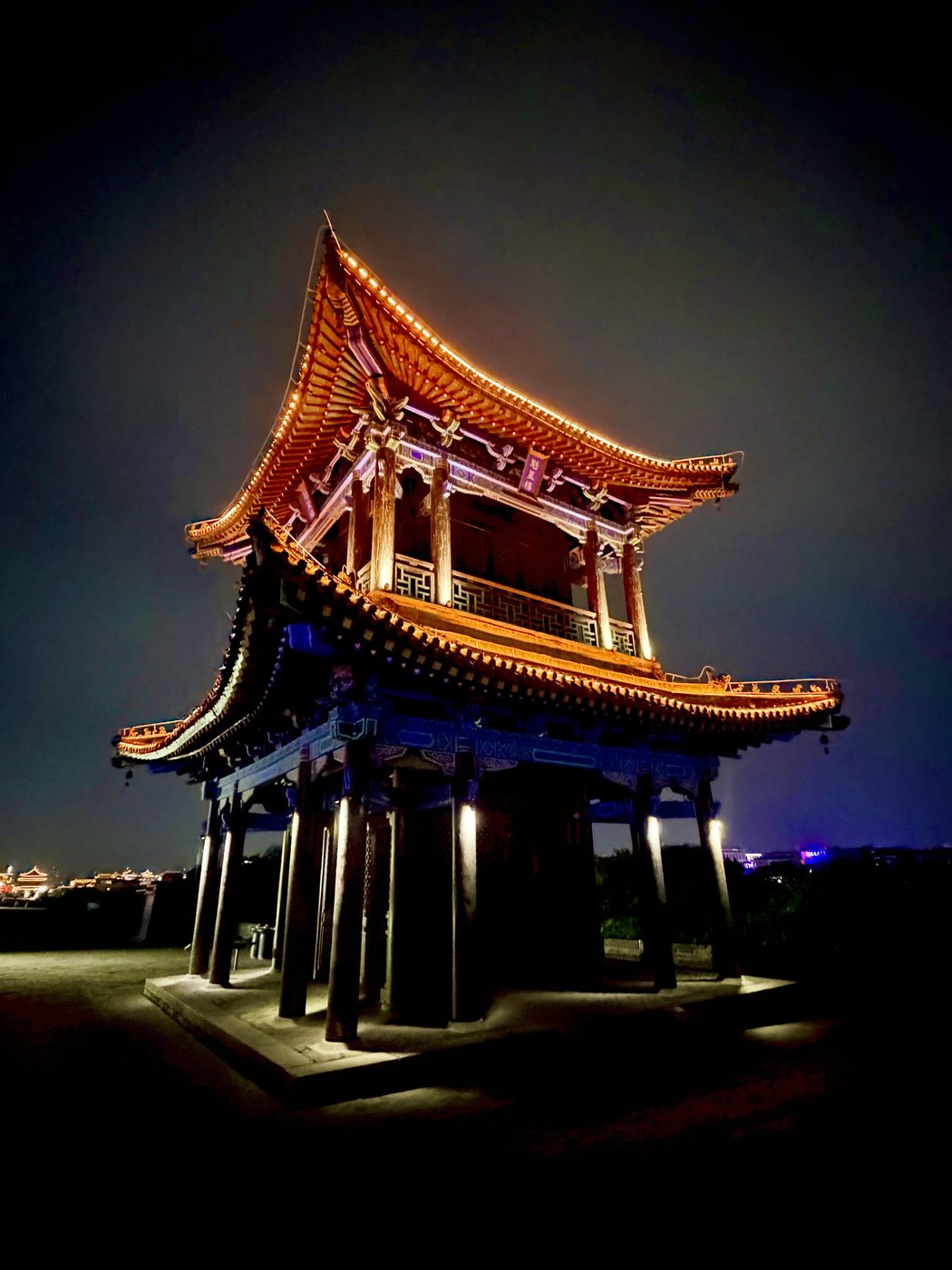
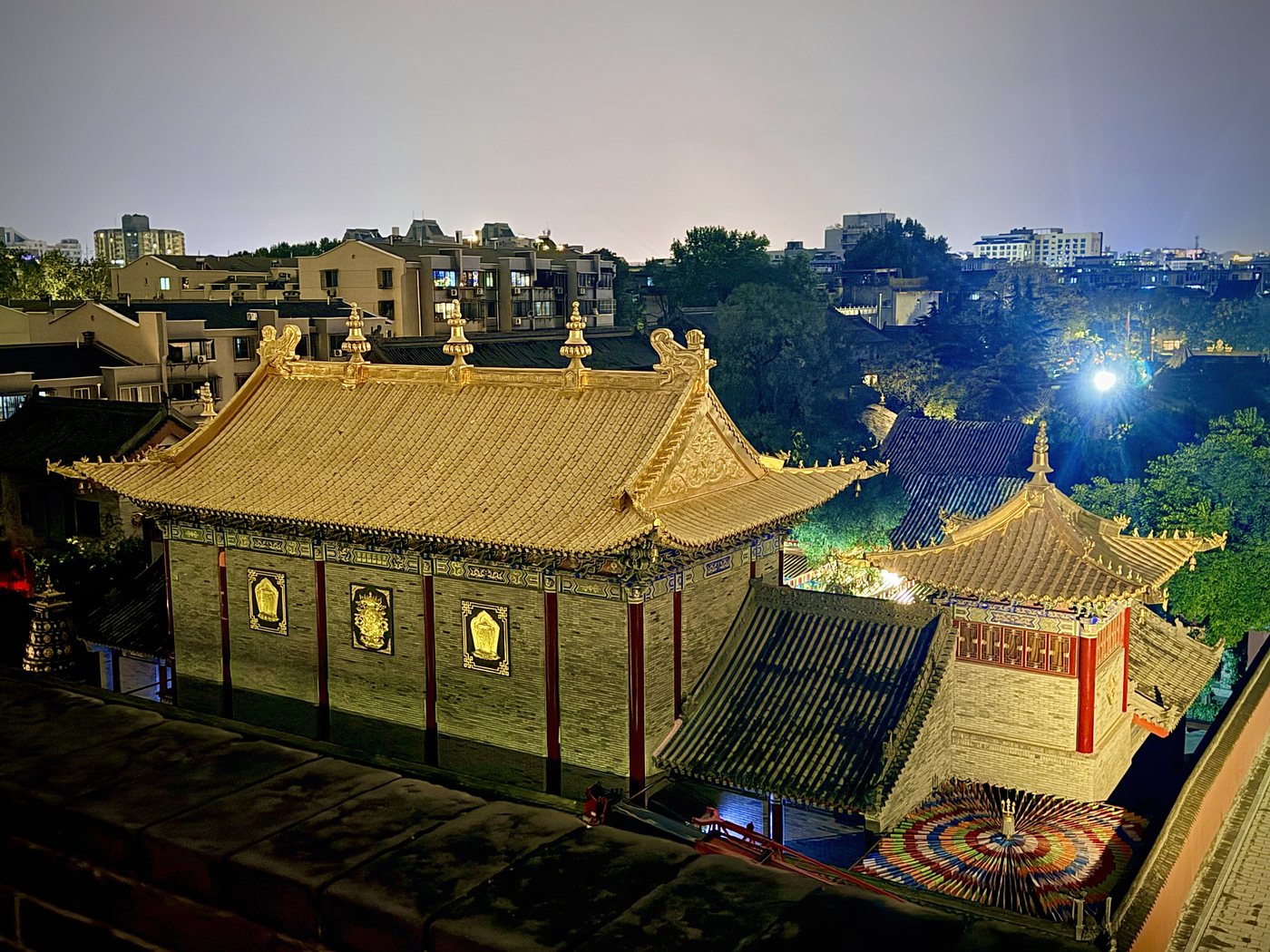
Xi'an's 14th-century Ming city wall is about 14 km around and one of the best-preserved in China. At night its gate towers are lit, along with the old temple roofs inside the wall.
Good to know
- When26–28 Oct 2026
- Terracotta ArmyAbout 40 km east of the city; plan a half day
- FoundMarch 1974, by farmers digging a well
- Opened to the public1979
- EveningA Tang Dynasty music-and-dance show
- EatBiangbiang noodles and roujiamo, Xi'an's meat sandwich
- Next stopFlight to Lhasa, Tibet
Official sites and sources
- UNESCO: Mausoleum of the First Qin Emperor — the Terracotta Army
- Emperor Qinshihuang's Mausoleum Site Museum — official museum site (Chinese)
- UNESCO: Silk Roads: the Routes Network of Chang'an–Tianshan Corridor — includes the Big Wild Goose Pagoda
More from Darrell Seale
- China: the whole tripOverview of 23 Oct – 6 Nov 2026
- BeijingForbidden City, Great Wall, Summer Palace
- ShanghaiThe Bund, the tunnel and Yu Garden
- ZhangjiajieSandstone pillars, glass bridge, Tianmen Mountain
- TibetLhasa: the Potala, the Jokhang and Sera
- Countries visitedAll 143 countries and territories, by region
- About Darrell SealeAir Force veteran, retired executive, scuba instructor
- Scuba diving with Darrell SealeDive trips, photos and video
- Darrell Seale on YouTubeTravel and dive videos